Muhammad Ali Jinnah
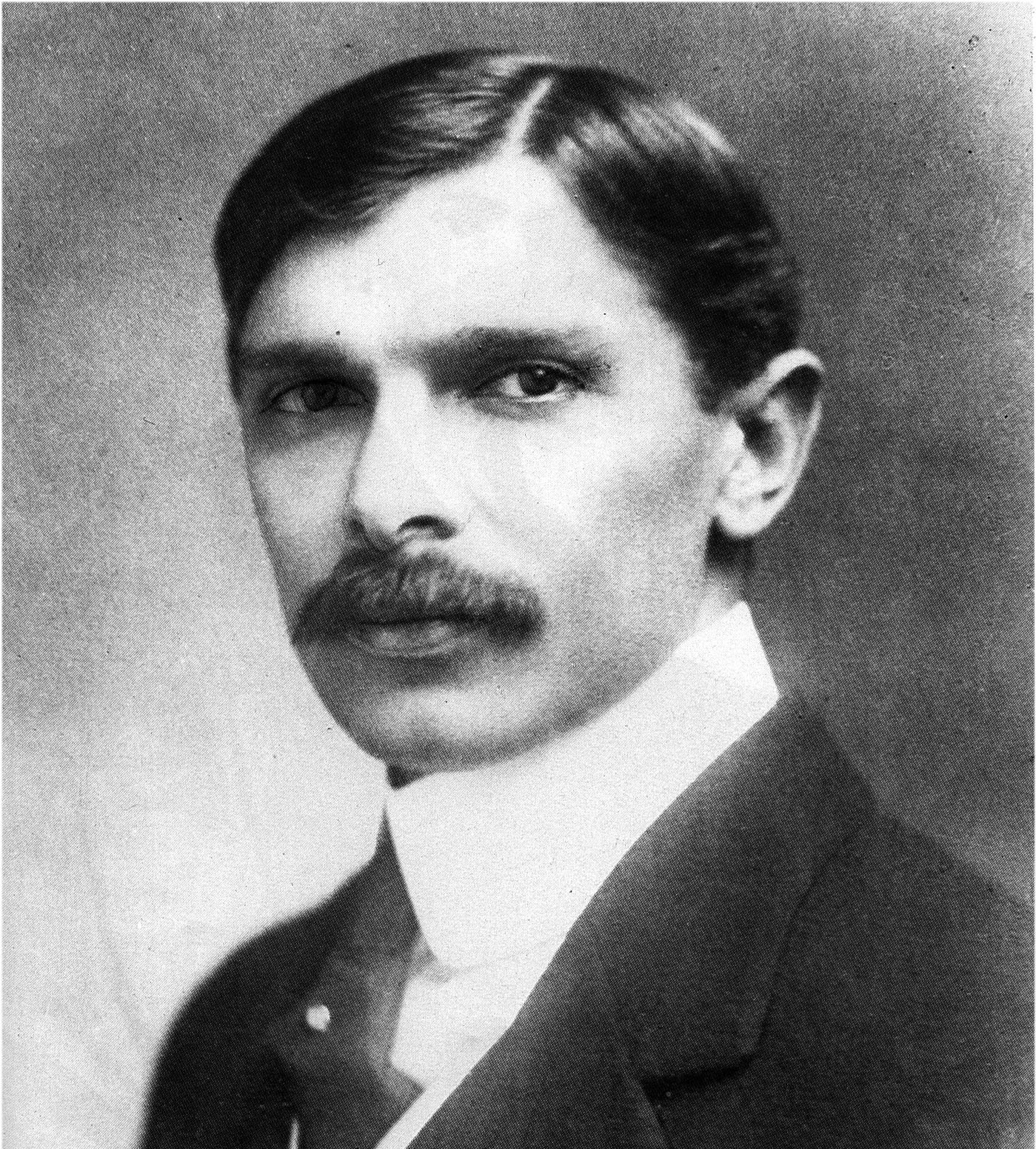
Part I: Muslims of India in Search of a Leader
Stages of the Muslim Ummah - First Stage
عَنْ حُذَيْفَةُ قَالَ رَسُولُ اللَّهِ صَلَّى اللَّهُ عَلَيْهِ وَسَلَّمَ « تَكُونُ النُّبُوَّةُ فِيكُمْ مَا شَاءَ اللَّهُ أَنْ تَكُونَ ثُمَّ يَرْفَعُهَا إِذَا شَاءَ أَنْ يَرْفَعَهَا ...
Narrated by Hudhayfah (r.a) that the Messenger of Allah (s.a.w) said, “Prophethood shall remain amongst you for as long as Allah wills, then He will then cause to end when He wills ...”
[Musnad Ahmad, 18406] (Hasan)
Stages of the Muslim Ummah - Second Stage
... ثُمَّ تَكُونُ خِلَافَةٌ عَلَى مِنْهَاجِ النُّبُوَّةِ فَتَكُونُ مَا شَاءَ اللَّهُ أَنْ تَكُونَ ثُمَّ يَرْفَعُهَا إِذَا شَاءَ اللَّهُ أَنْ يَرْفَعَهَا ...
“... then there will be Caliphate on the footsteps of Prophethood, it will remain as long as He will, then He will end it when He wills ...”
[Musnad Ahmad, 18406] (Hasan)
Stages of the Muslim Ummah - Third Stage
... ثُمَّ تَكُونُ مُلْكًا عَاضًّا فَيَكُونُ مَا شَاءَ اللَّهُ أَنْ يَكُونَ ثُمَّ يَرْفَعُهَا إِذَا شَاءَ أَنْ يَرْفَعَهَا ...
“... then there will be hereditary monarchy, it will remain as long as He will, then He will end it when He wills ...”
[Musnad Ahmad, 18406] (Hasan)
Stages of the Muslim Ummah - Fourth Stage
... ثُمَّ تَكُونُ مُلْكًا جَبْرِيَّةً فَتَكُونُ مَا شَاءَ اللَّهُ أَنْ تَكُونَ ثُمَّ يَرْفَعُهَا إِذَا شَاءَ أَنْ يَرْفَعَهَا ...
“... then there will be biting oppression, it will remain as long as He wills, then He will end it when He wills ...”
[Musnad Ahmad, 18406] (Hasan)
Stages of the Muslim Ummah - Fifth Stage
... ثُمَّ تَكُونُ خِلَافَةً عَلَى مِنْهَاجِ النُّبُوَّةِ ثُمَّ سَكَتَ »
“... then (again) there will be a Caliphate on the footsteps of Prophethood, then he kept silent.”
[Musnad Ahmad, 18406] (Hasan)
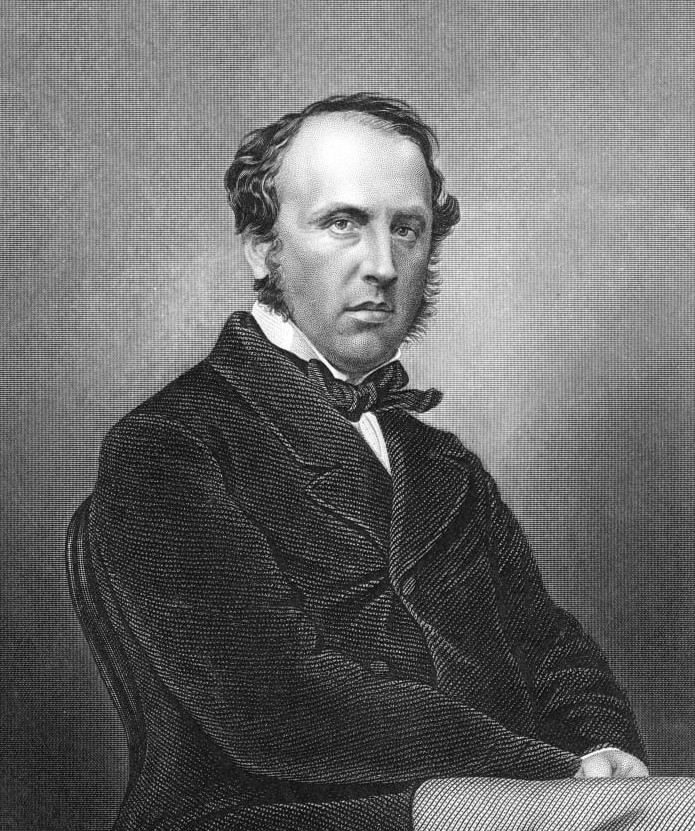
PM Palmerston wrote to Lord Canning
“Every civil building connected with (the) Mohammedan tradition should be leveled to the ground without regard to antiquarian veneration or artistic predilection.”
[Jinnah written by Jaswant Singh, Page 25]
Brutal Punishments for the 1857 Rebellion
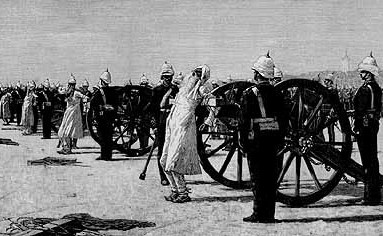
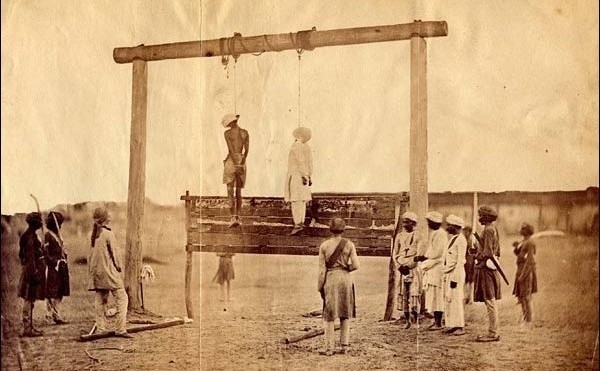
“Many were tortured and hanged, while hundreds of Indian women were raped by rampaging British troops ... a staggering 800,000 Indians are thought to have died during and after, many from starvation in the famine that followed.”
[https://www.history.co.uk/articles/the-indian-mutiny-the-british-empire]
Darul Uloom Deoband (Est 1866)
Located in Deoband, Uttar Pradesh in the North of Delhi
Viceroy Lord Dufferin on Muslims of India
“A nation of some 50 million, with their monotheism, their iconoclastic fanaticism, their animal sacrifices, their social equality and their remembrance of the days when ... they reigned supreme ...”
[Jinnah written by Jaswant Singh, Page 35]
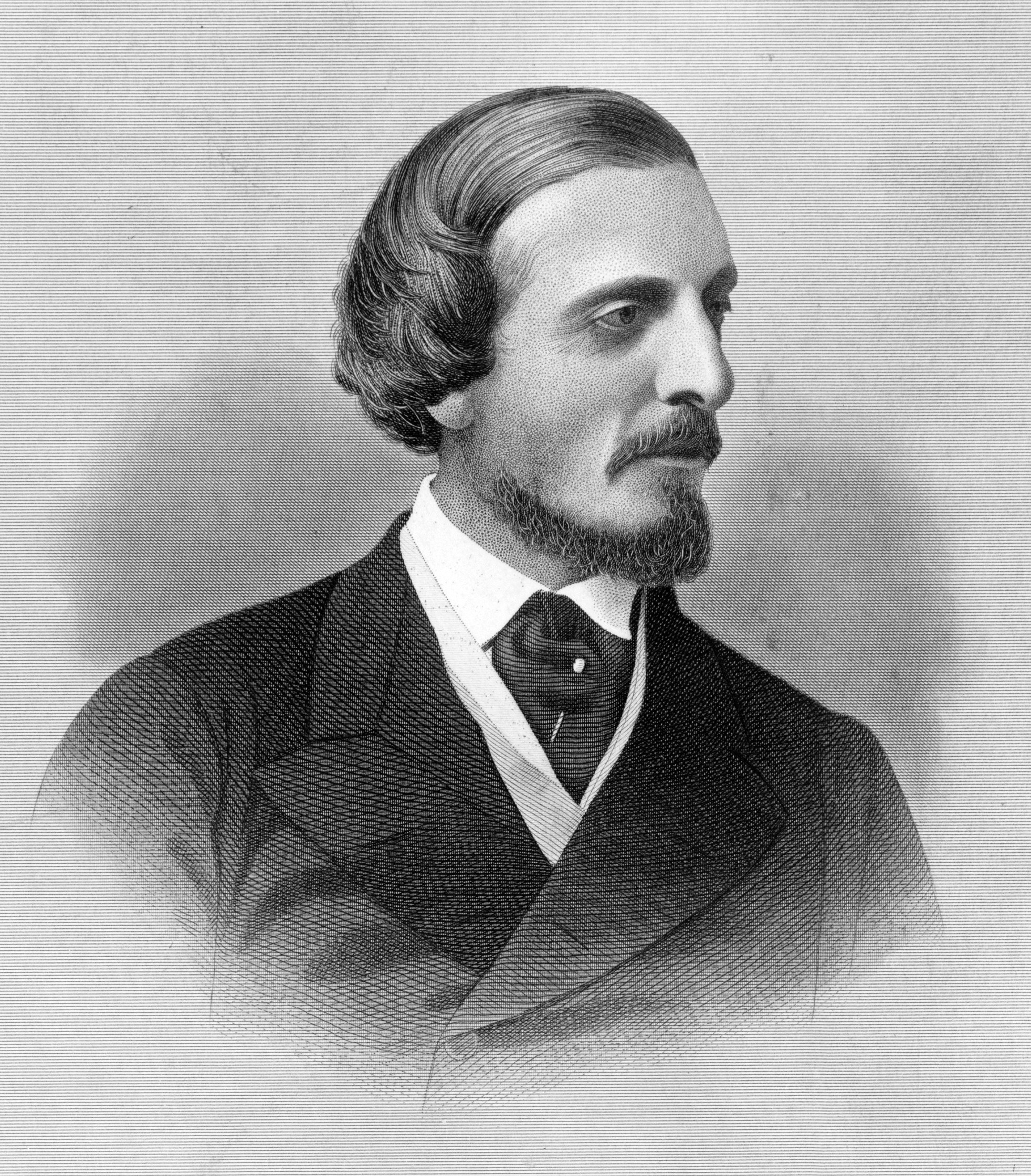
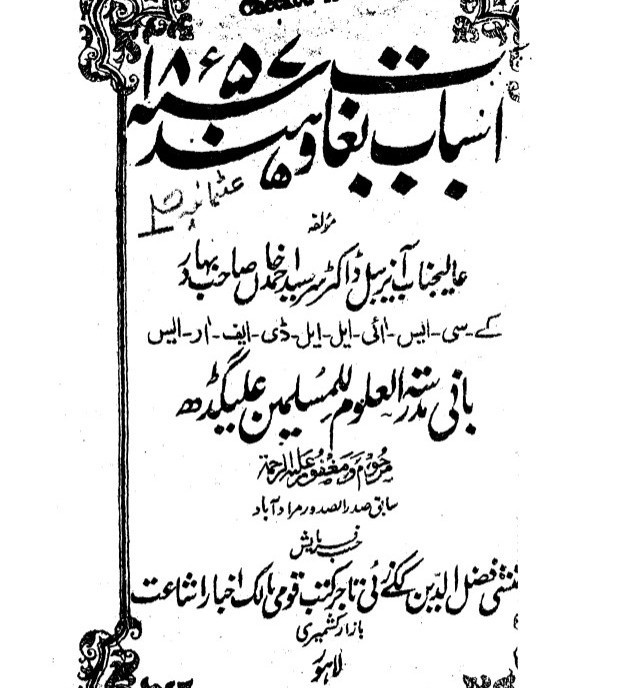
Important Role of Sir Syed Ahmad Khan
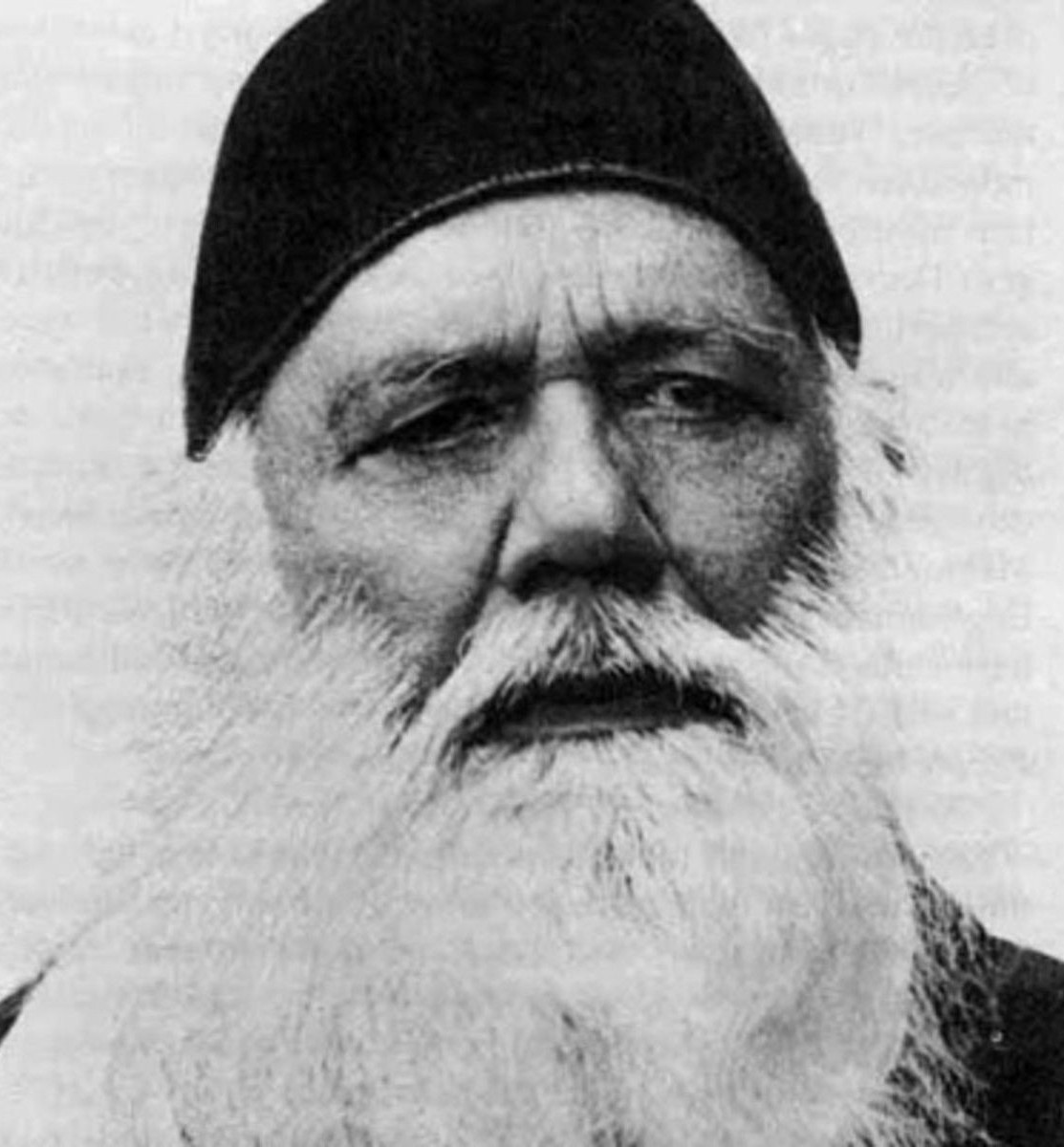
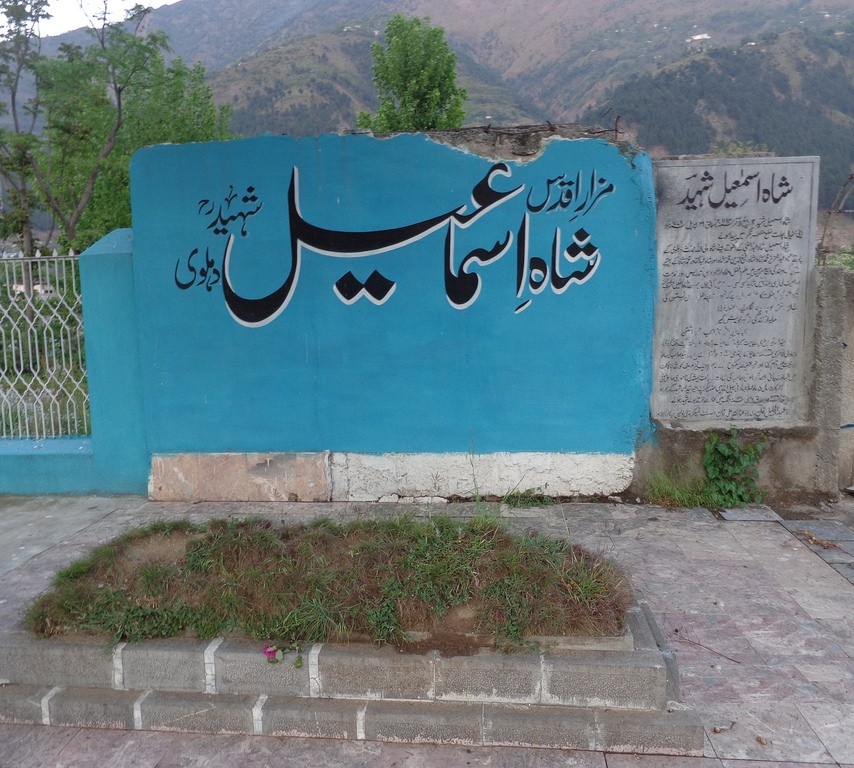
Graves in Balakot, Pakistan

Allama Iqbal’s Prayer in Asrar-i-Khudi
گرچه تو در ذات خود یکتاستی عالمی از بهر خویش آراستی من مثال لاله ی صحراستم درمیان محفلی تنهاستم خواهم از لطف تو یاری همدمی از رموز فطرت من محرمی همدمی دیوانه ئی فرزانه ئی از خیال این و آن بیگانه ئی تا بجان او سپارم هوی خویش باز بینم در دل او روی خویش سازم از مشت گل خود پیکرش هم صنم او را شوم هم آزرش
[علامہ اقبال، اسرار خودی]
Who Influenced Jinnah
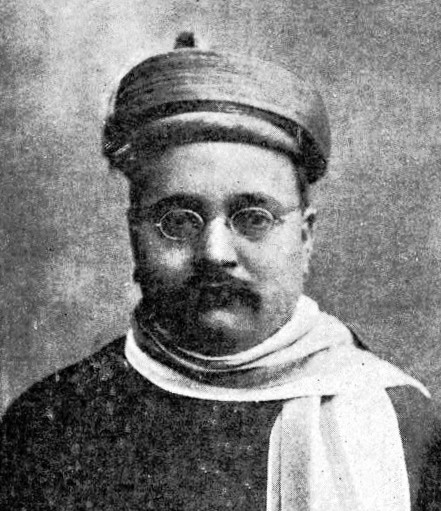
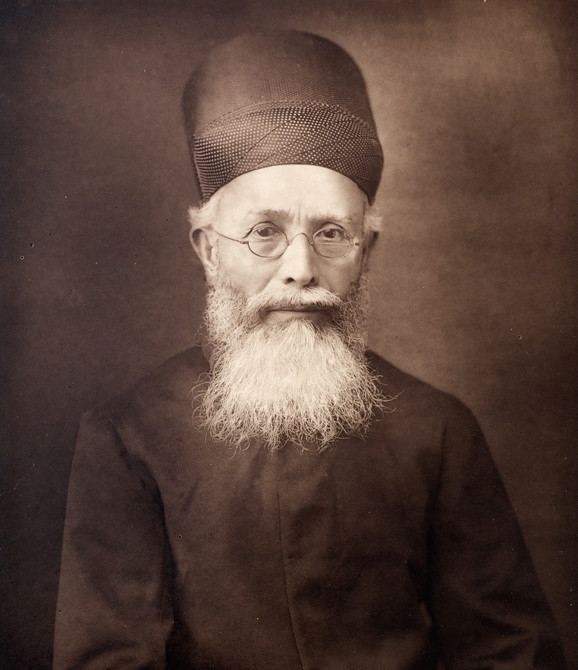
All India Muslim League in 1906
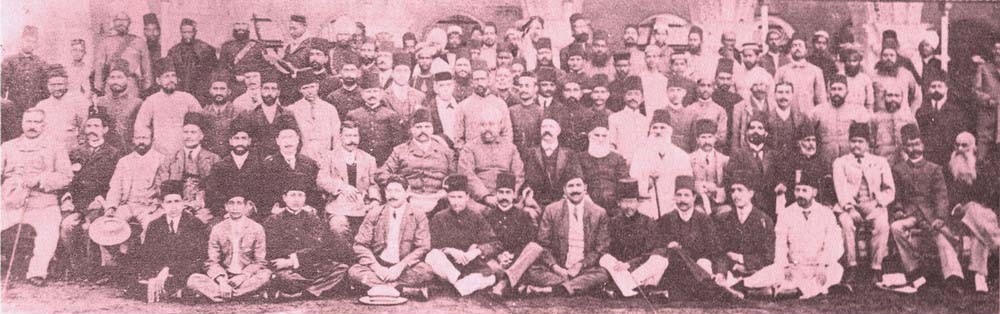
“The Muslim League was founded in 1906 to safeguard the rights of Indian Muslims ... For several decades the league and its leaders, notably Mohammed Ali Jinnah, called for Hindu-Muslim unity in a united and independent India.”
[https://www.britannica.com/topic/Muslim-League]
Jinnah as an Indian Nationalist
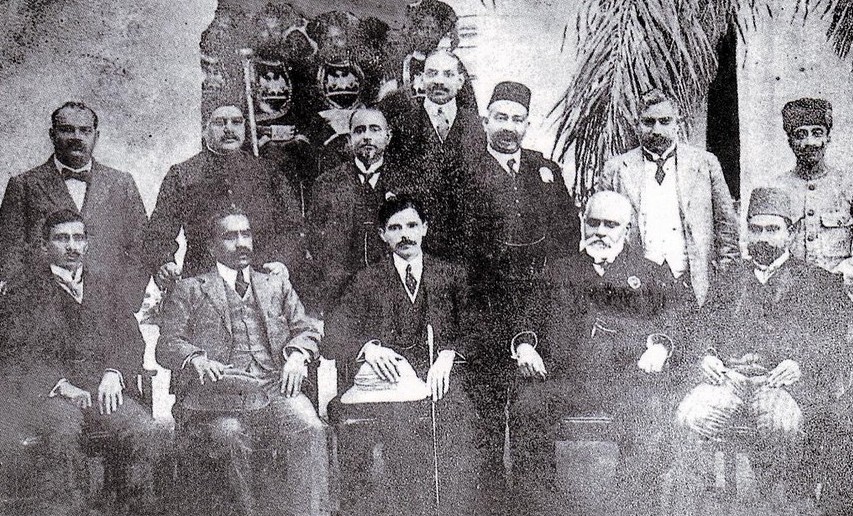
“Jinnah is an ambassador of Hindu-Muslim Unity.”
Gopal Krishna Gokhale (d. 1915)
Jaswant Singh - Former Minister from BJP
“Until 1920, though, Jinnah had successfully kept the Indian political forces together, simultaneously exerting pressure on the government. With this new Gandhian methodology, that pressure dissipated and the British Raj remained for three more decades.”
[Jinnah by Jaswant Singh, Page 98-99]
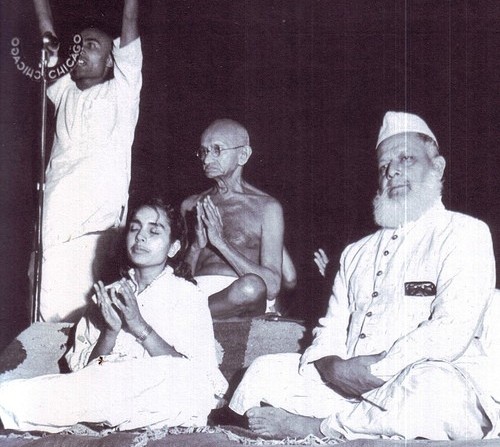
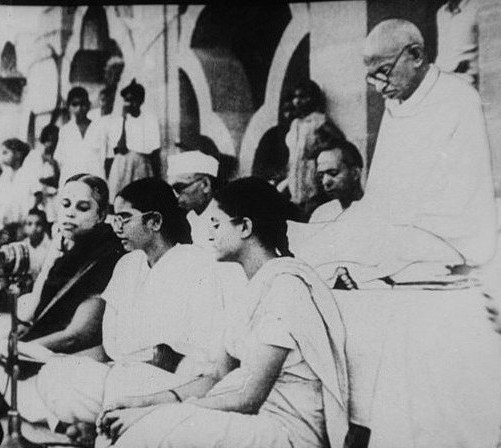
Gandhi and his Prayer Gatherings
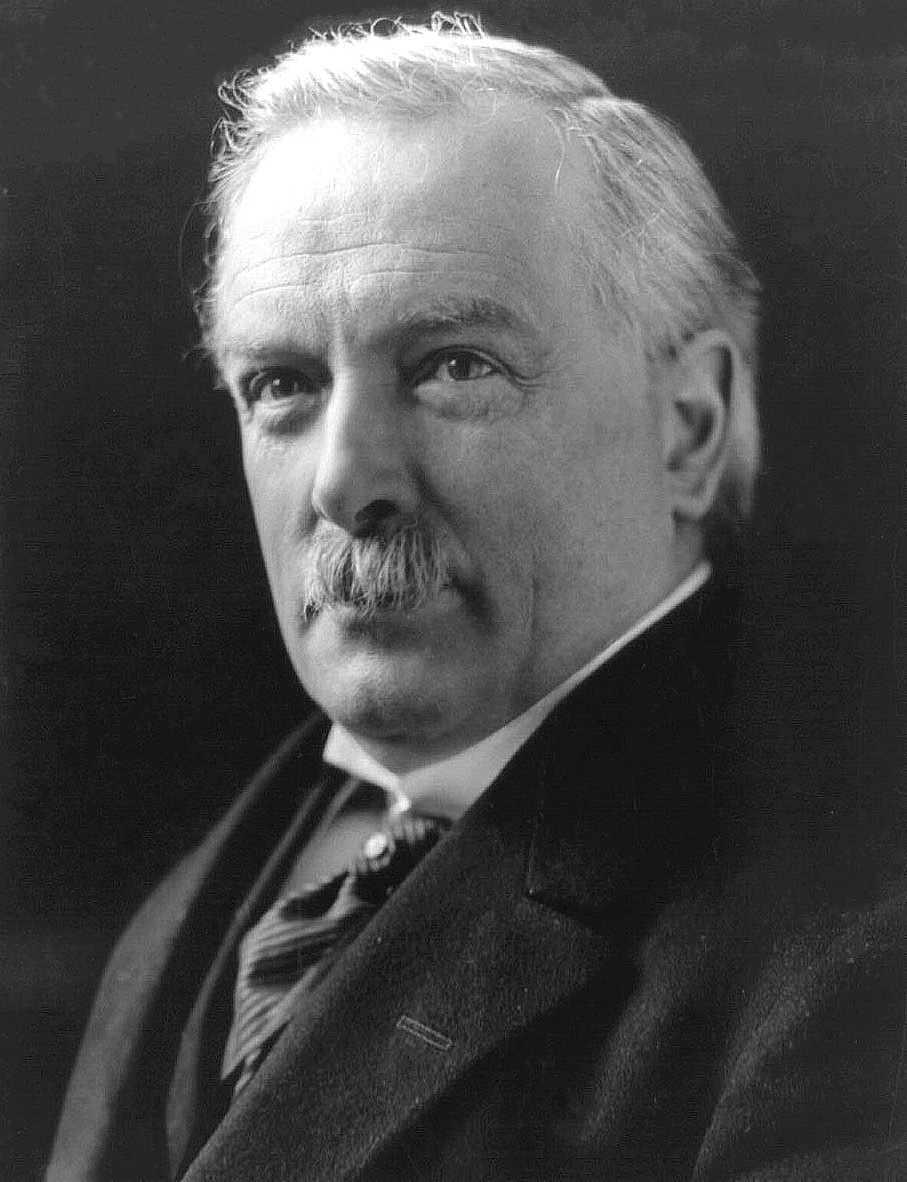
جنگِ عظیم کے خاتمے سے کچھ عرصہ پیشتر جب اتحادی طاقتوں کی فتح یقینی ہوگئی، تو برطانوی وزیراعظم لائڈ جارج نے ۵ جنوری ۱۹۱۸ کو اعلان کیا کہ ترکوں کو خالصتاً ترکی علاقوں یعنی ایشیاے کوچک کے زرخیز میدانوں، تھریس اور ان کے دارالحکومت قسطنطنیہ سے محروم نہ کیا جائے گا۔
[زندہ رُود، مصنف ڈاکٹر جاوید اقبال، 300]
Efforts of Khilafat Movement (1)
“The first formal session of the Khilafat Conference was held at Amritsar in December 1919, which was well attended by Muslims and Hindus. It was decided that a sum of Rs. 10 lakh should be raised for the Khilafat Fund and a delegation should proceed to England to present the demands of Muslims ...”
[Islam & Pakistan’s Identity by Dr. Javid Iqbal, Page 201]
Efforts of Khilafat Movement (2)
“The landscape of India’s political world was rapidly changing. One of the Jamiat Ulama-i-Hind’s first steps was to ally with M. K. Ghandhi (1869-1948), newly returned from South Africa.”
[Muslims against the Muslim League, Page 39]
“Mahatama Gandhi’s scheme was in perfect harmony with that of Azad and the Jamiat-ul-Ulema.”
[Islam & Pakistan’s Identity by Dr. Javid Iqbal, 203]
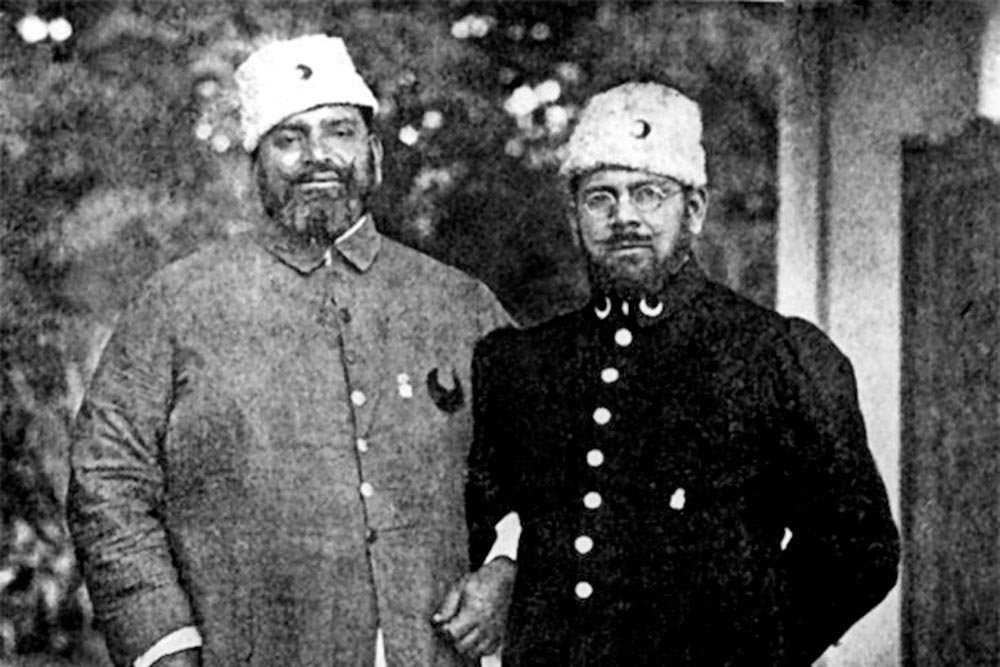
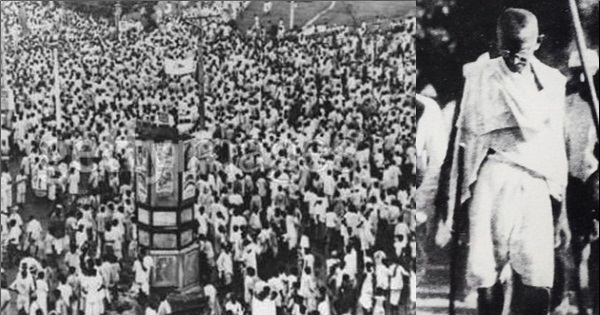
From Khilafat to Hijrat Movement
“However the Jamiat-ul-Ulema issed a Fatwa that if the Turkish peace terms were carried out against the wishes of Muslims, India would become Dar-ul-Harb and it would be obligatory for Muslims to migrate (Hijrat). In the summer of 1920, it was brought home to the Muslims that the time of migration (Hijrat) from India to Afghanistan (Dar-al-Islam) had arrived ... Eighteen thousand were on the move.”
[Islam & Pakistan’s Identity by Dr. Javid Iqbal, Page 204-205]
The Rest of the Hijrat Movement
“The total number of emigrants is estimated at between 500,000 and 2,000,000. The poor and downtrodden Muslims were completely uprooted. Afghanistan, a sterile country, was in no position to accomodate emigrants from India. Consequently the Afghan authorities forbade their admission. The emigrants were forced back and their individual sufferings were indeed horrendous.”
[Islam & Pakistan’s Identity by Dr. Javid Iqbal, Page 205]
Poor Position of the Muslim Leadership
“At the meeting of the All-India Khilafat Committee in July 1921, Madani introduced a fatwa, passed unanimously, that it was illegitimate for any Muslim to serve in the British army ...
In February 1922, Gandhi ended the campaign after an episode of violence.”
[Muslims against the Muslim League, Page 40]
“The membership of the League was skeletal, and as per the annual report of the AIML, in early 1920 it did not cross 1200.”
[Jinnah: India, Partition, Independence; Jaswant Singh; Page 56]
Gandhi on Khilafat Movement
“With Maulana Muhammad Ali because it is his religion, with me because, in laying down my life for the Khilafat, I ensure the safety of the cow from the Mussalman knife, that is my religion.”
[Gandhi’s statement in Young India of 20th October 1921]
Jinnah voiced his displeaser to Gandhi
“It was crime to mix up politics and religion the way he had done.”
[Jinnah: India, Partition, Independence; Jaswant Singh; Page 125]
Muhammad Ali Jinnah
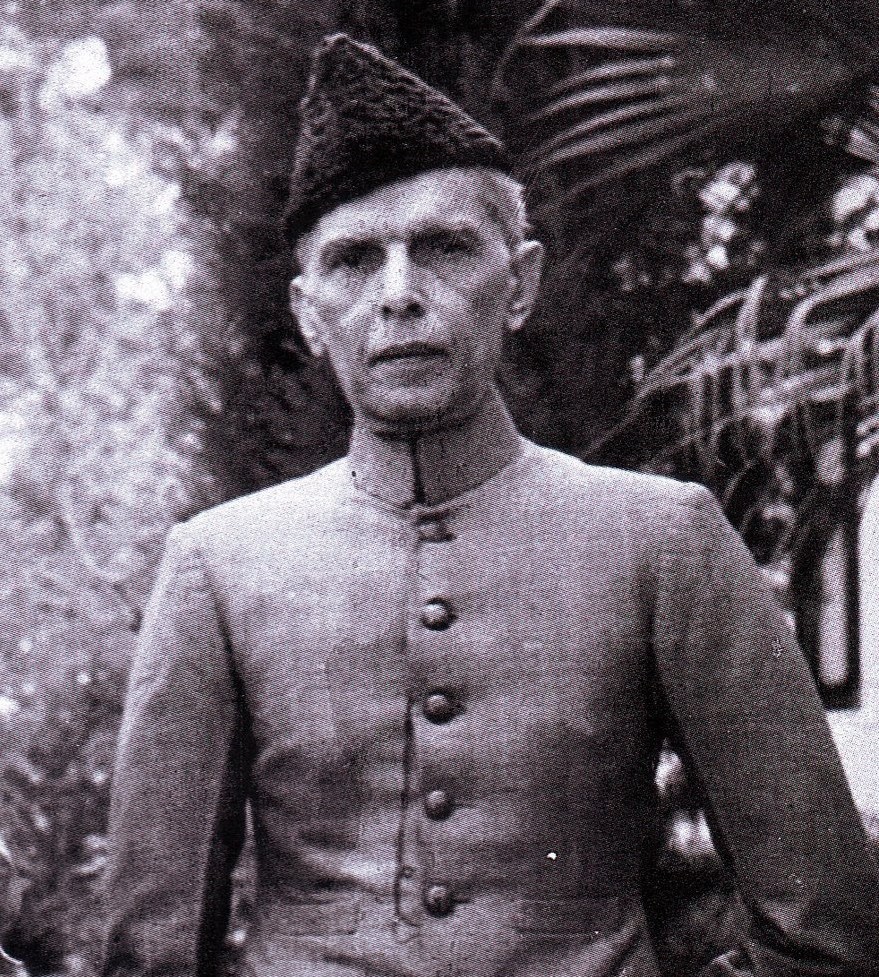
Part II: From an Indian Nationalist to Quaid-e-Azam
“... I therefore demand the formation of a consolidated Muslim State in the best interests of India and Islam. For India, it means security and peace resulting from an internal balance of power; for Islam, an opportunity to rid itself of the stamp that Arabian Imperialism was forced to give it, to mobilize its law, its education, its culture, and to bring them into closer contact with its own original spirit and with the spirit of modern times ...”
[Presidential Address by Muhammad Iqbal in Allahabad 1930]
Jinnah’s claim of Nationalism
“I am an Indian first and a Muslim afterwards, and I agree that no Indian can ever serve his country if he neglects the interests of the Muslims ...”
[Speech at Farewell Party, Muslim Students Union] [Bombay, 4 September 1931]
Jinnah recalling days during RTC
“Many efforts had been made since 1924 till the Round Table Conference. At that time, there was no pride in me and I used to beg from the Congress ... But I received the shock of my life at the meetings ... In the face of danger the Hindu sentiment, the Hindu mind, the Hindu attitude led me to the conclusion that there was no hope of unity ...”
[Speech at Meeting of the Aligarh Muslim University Union, 5 February 1938]
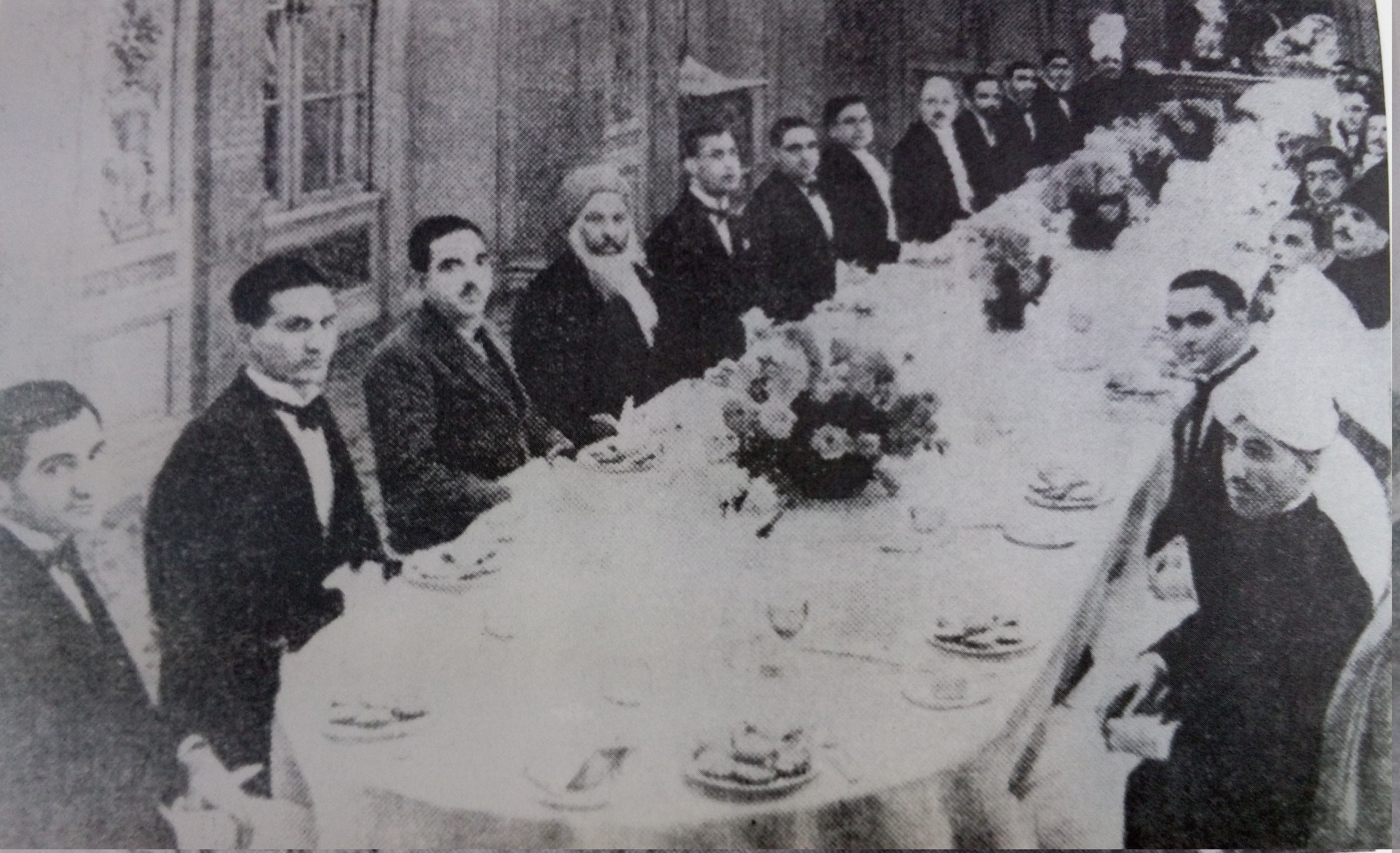
Jinnah & Iqbal together in London
A Blessing from Allah for the Ummah
إِنَّ اللَّهَ لَيُؤَيِّدُ هَذَا الدِّينَ بِالرَّجُلِ الْفَاجِرِ
“Verily Allah will empower this deen (Islam)
with a man not (too) pious.”
[Sahih Bukhari, Book of Jihad (56), 3062]
Allah selected Jinnah for His Deen
“One evening, I was strolling in the lawn of my house in London when I smelt a unique fragrance. First I thought it was temporary phenomenon but the fragrance continued to prevail in the air. I could not understand as to what was the source of that fragrance. I decided to go to sleep. I could not sleep for quite some time. During sleep I saw a holy personality in my dream. The holy personality addressed me: ‘I am Prophet Muhammad (s.a.w). I order you to go to India and lead the Muslims to their destiny’. After the dream I awoke and started preparation for my return journey to India.”
[Interview of Chaudry Fazl-e-Haque by Pakistan Observer, 14th June 2011]
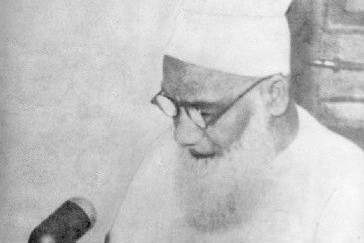
Allama Shabbir Ahmad Usmani
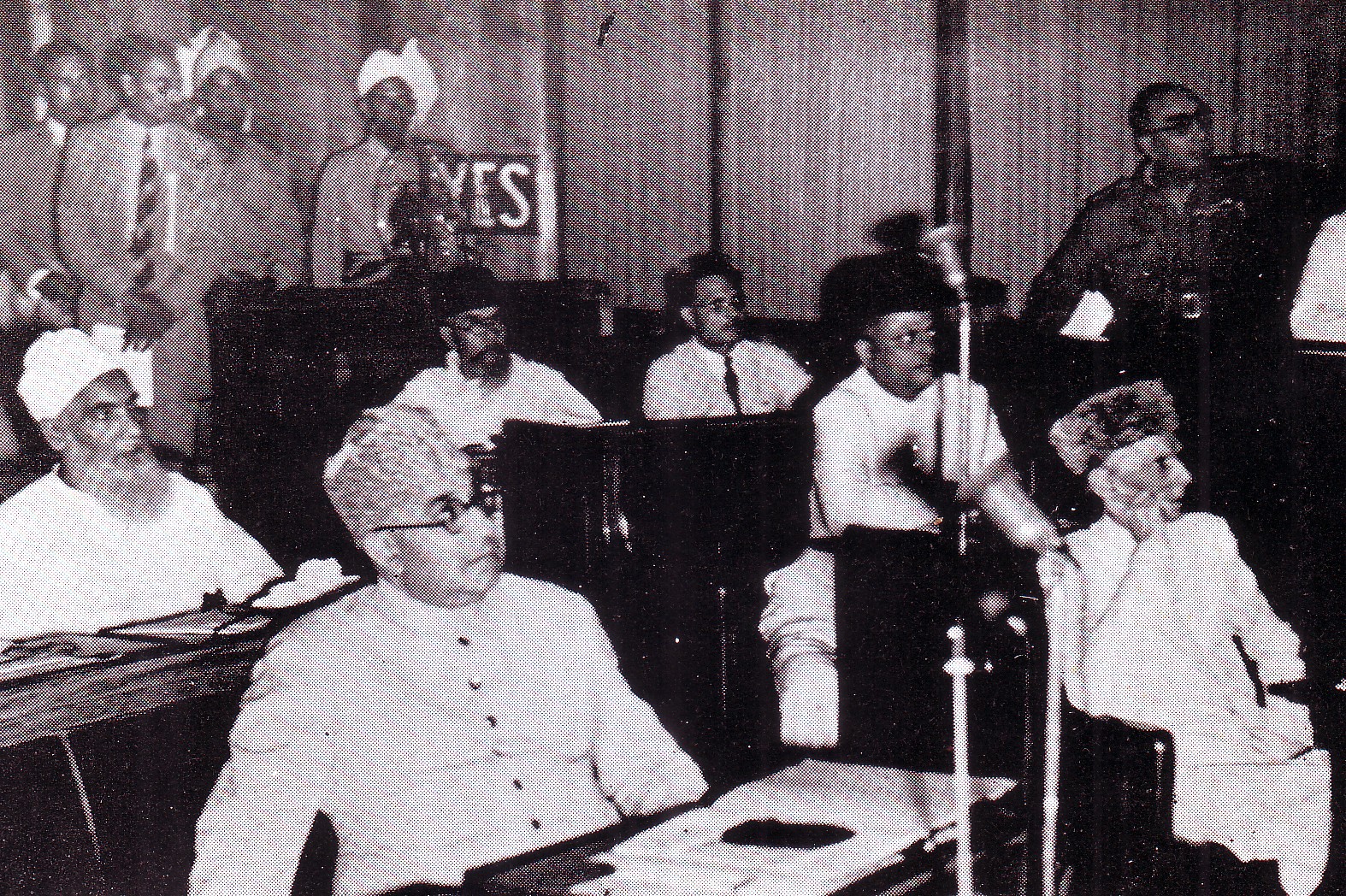
Jawaharlal Nehru’s Statement after Elections of 1937
“I am sure that when the next opportunity comes we shall not lose a single Muslim seat in the rural areas though I am not quite certain about the urban seats.”
[Jinnah: India, Partition, Independence; Jaswant Singh; Page 231]
Jinnah on Muslim League’s Flag
“Today in this huge gathering you have honoured me by entrusting the duty to unfurl the flag of the Muslim League, the flag of Islam. Many people misunderstand us when we talk of Islam particularly our Hindu friends ...”
“... When we say ‘This flag is the flag of Islam’ they think we are introducing religion into politics - a fact of which we are proud. Islam gives us a complete code. It is not only religion but it contains laws, philosophy and politics. In fact, it contains everything that matters to a man from morning to night. When we talk of Islam we take it as an all-embracing word. We do not mean any ill will ...”
“The foundation of our Islamic code is that we stand for liberty, equality and fraternity.”
[Speech to the Muslims of Gaya, 1 January 1938]
“Women can do a great deal within their home, even under pardah.”
[Presidential Address in Patna, December 1938]
Jinnah on His Faith
“I was born a Muslim, I am a Muslim and I shall die a Muslim.”
[Islam & Pakistan’s Identity by Dr. Javid Iqbal, 309]
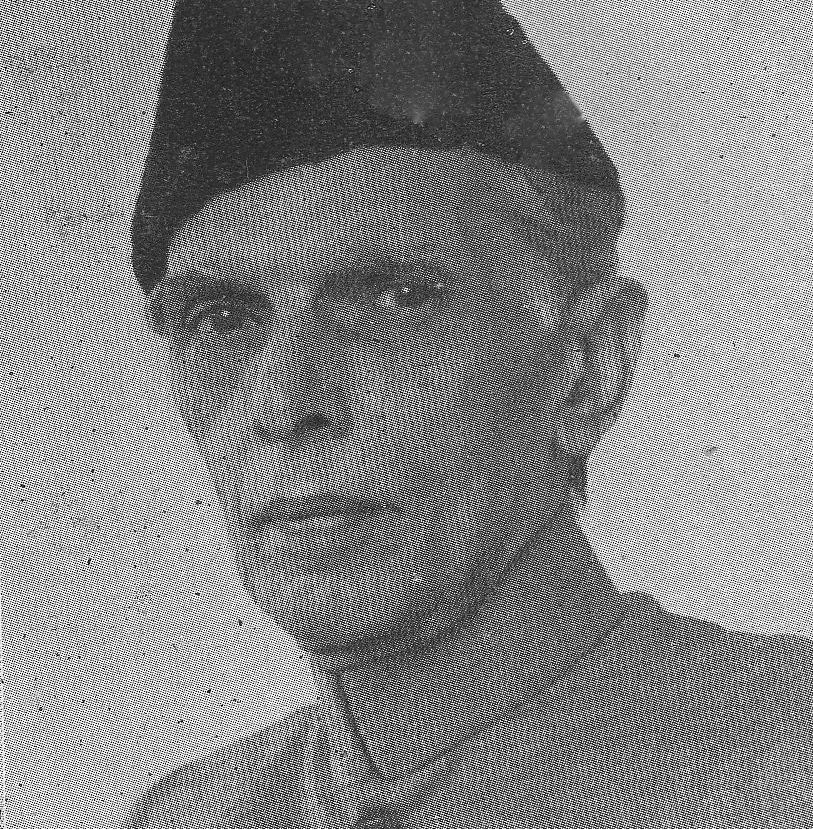
Jinnah in the Eyes of Muhammad Iqbal
“You are the only Muslim in India today to whom the community has a right to look up for safe guidance through the storm which is coming to NorthWest India and perhaps to the whole of India.”
[Iqbal’s Letter to Jinnah dated 21st June 1937]
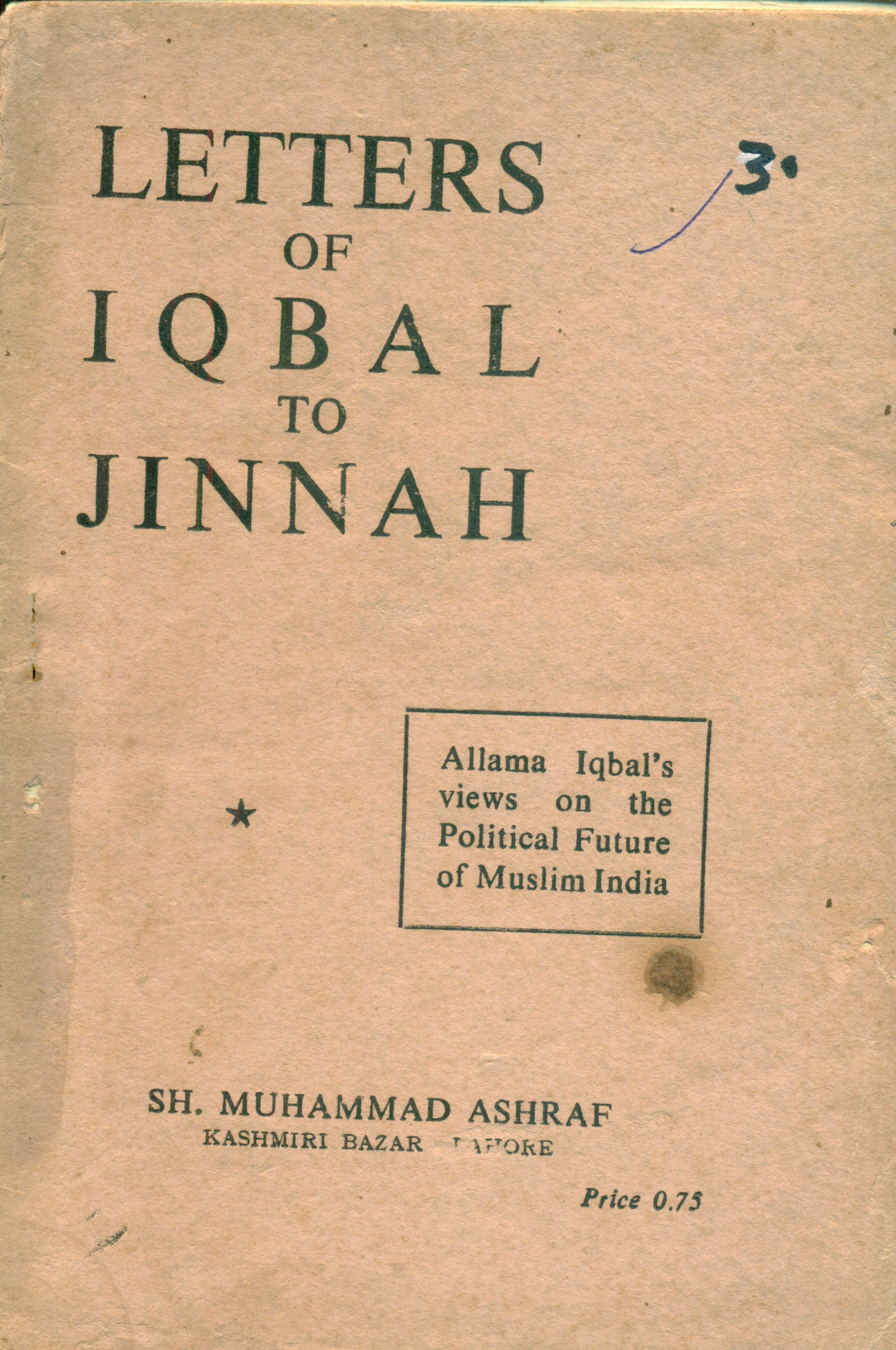
Iqbal to Jinnah on Economic Issues
“Poverty is due to Hindu money-lending or capitalism ... socialism of Jawaharlal is not likely to receive much response ... After a long and careful study of Islamic Law, I have come to the conclusion that if this system of Law is properly understood and applied, at least the right to subsistence is secured to everybody. But the enforcement and development of the Shariat of Islam is impossible in this country without a free Muslim state or states.”
[Iqbal’s Letter to Jinnah dated 28th May 1937]
Jinnah’s Praise for Iqbal on his Death
“To me he was a personal friend, philosopher and guide, and as such the main source of my inspiration and spiritual support. While he was ailing in his bed, it was he who... stood single-handed like a rock in the darkest days of the Punjab by the side of the League banner, undaunted by the opposition of the whole world.”
[Islam & Pakistan’s Identity by Dr. Javid Iqbal, Page 280]
Jinnah on Careerist and Intelligentsia
“There are two important instruments for bringing up a nation – the mother & the teacher ... Our intelligentsia is being manufactured, as it were, in factories, as careerists ... either in the Bureaucratic camp or the Congress camp ... The intelligentsia has not grasped on principle – self confidence & moral, cultural & political self-consciousness.”
[Speaking to the Staff of the Aligarh Muslim University on 5 April 1939]
[Reported by The Star of India on 12 April 1939]
Quaid-e-Azam on Castes & Sects
“We recognise no one as a Jat or a Pathan or even as a Shia or a Sunni. We can’t tolerate any such caste being created and encouraged because it will not be possible to retain Pakistan if those distinctions were allowed.”
[Speech to Punjab Muslim Students’ Federation Conference, Lahore, 19th March 1944]
Interview to News Chronicle
“India is a state of nationalities including two major nations, and all we claim is a distinct sovereign state for our nation - Pakistan ... I don’t regard myself as an Indian.”
[Interview to Foreign Editor, News Chronicle (London); Dehli, 12 April 1946]
Reginald Sorensen & Baron R. Sorensen of Cabinet Mission on Jinnah
“He is a sword of Islam resting in a secular scabbard.”
[My Impression of India. Page 109. Published in 1946]
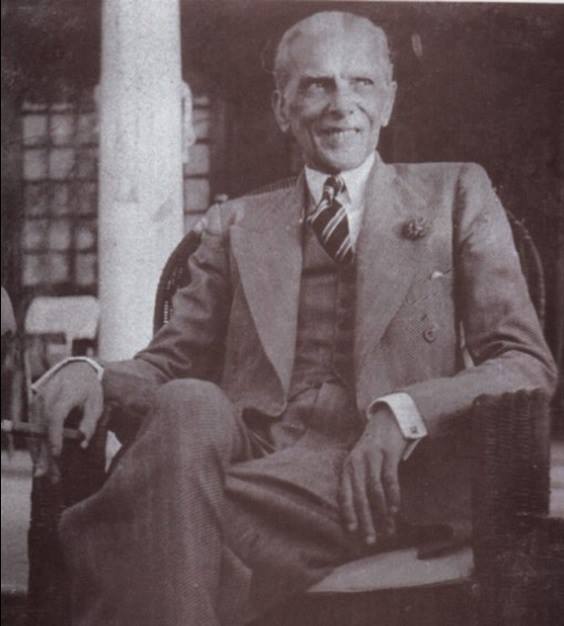
Gandhi Tries to Win Quaid-e-Azam
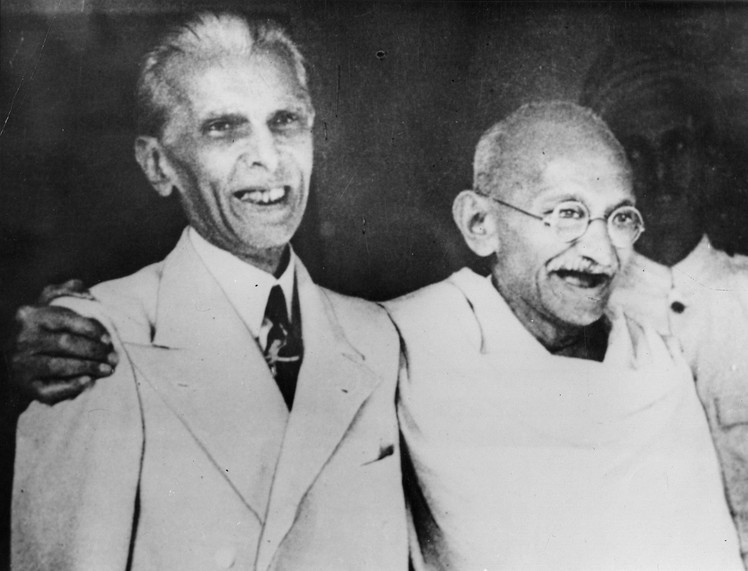
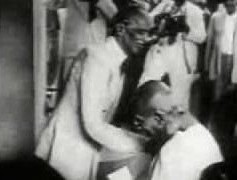
Gandhi’s strong stand against Partition
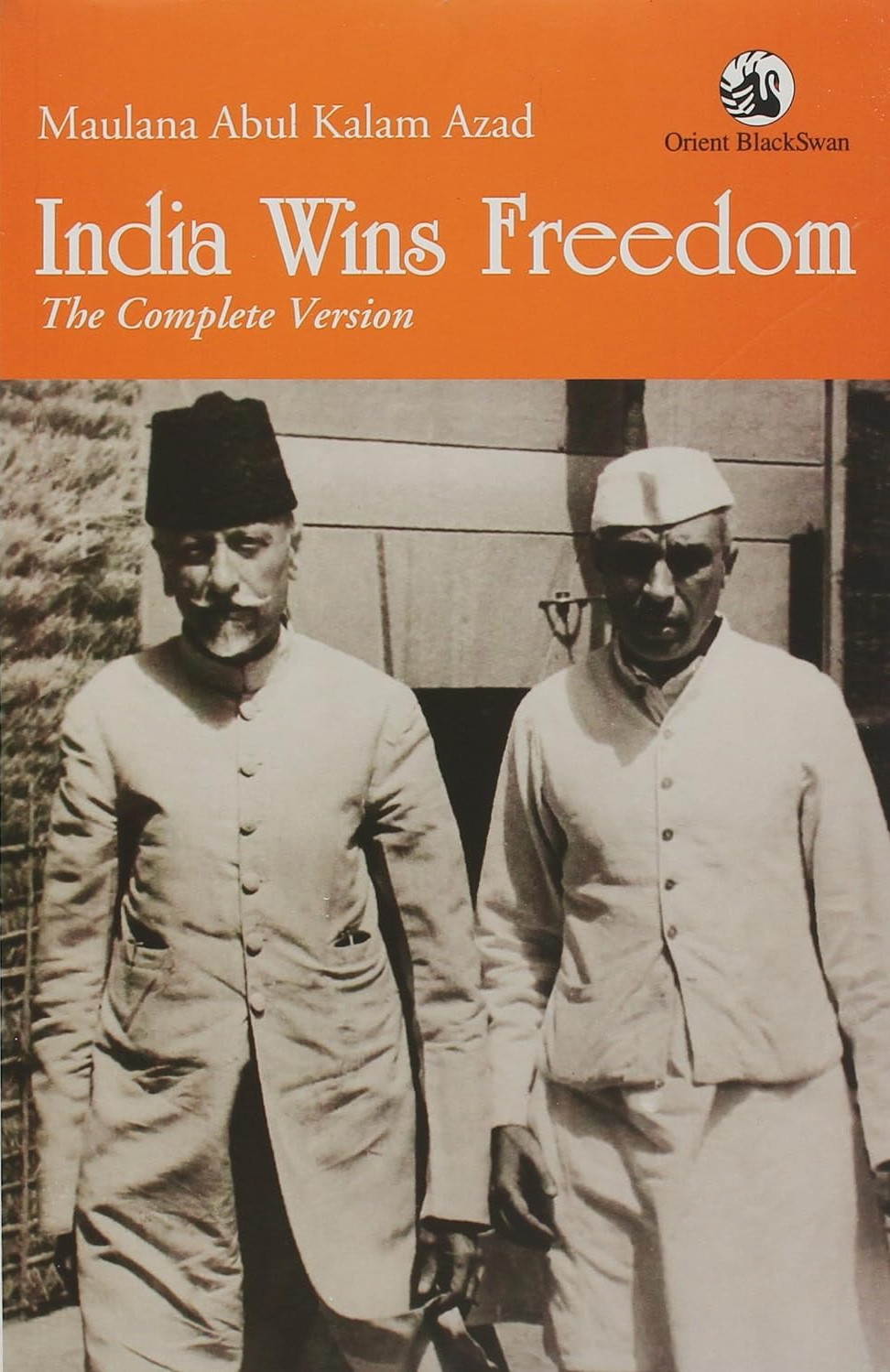
“If the Congress wishes to accept partition, it will be over my dead body. So long as I am alive I will never agree to the partition of India. Nor will I, if I can help it, allow Congress to accept it.”
[India Wins Freedom by Maulana Azad, Page 203]
Gandhi self-confessed that he Failed
“I don’t want to die a failure. But I may be a failure.”
[Jinnah: India, Partition, Independence; Jaswant Singh; Page 483-484]
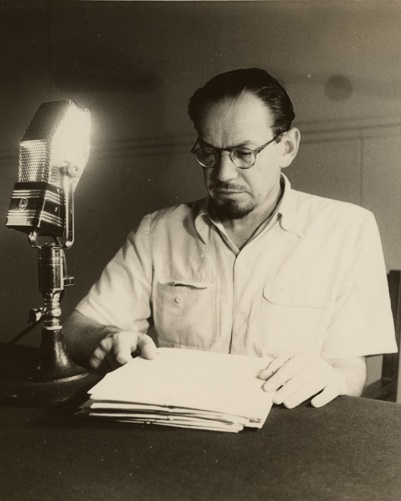
How Muhammad Asad Described Islam
“Islam appears to me like a perfect work of architecture. All its parts are harmoniously conceived to complement and support each other; nothing is superfluous and nothing lacking; and the result is a structure of absolute balance and solid composure.”
Viceroy Linlithgow’s Views from 1937
“I do not frankly feel any deep confidence in him (Jinnah).”
[Jinnah by Jaswant Singh, Page 239]
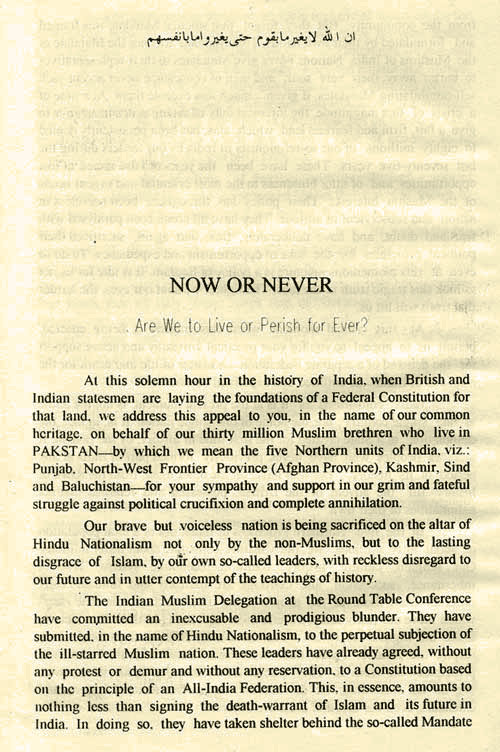
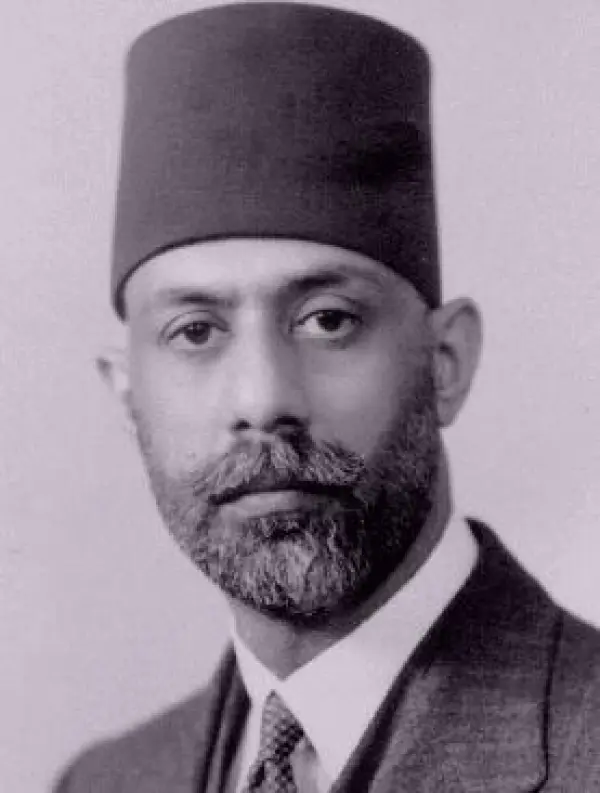
When PAKSTAN became PAKISTAN
“On March 24, 1940, a day after the Lahore Resolution, Khawaja Abdurrahim one of those who in Cambridge proposed the name of the country invited the Quaid at his residence. The Quaid told him, ‘Rahim the name you gave in 1930 is highly talked about is Hindu press.’ Khawaja Rahim asked the Quaid then what should be the name in your view. Allama Iqbal in those days had already endorsed this name. The Quaid said, ‘If you people and the Muslim nation like this name I have no objection, except in the name you have on the pamphlet PAKSTAN add “I” which stands for Islam and is the link between these provinces’ ...”
[Jinnah’s Islamic Vision of Pakistan by Dr. Anis Ahmad, Page 73-74]
Jinnah’s clear stand against Congress
“The Muslims could expect neither justice nor fair play under Congress government and no settlement between them (League and the Congress) was possible.”
[Jinnah: India, Partition, Independence; Jaswant Singh; Page 240]
Woodrow Wyatt on Jinnah in Simla 1946
“Jinnah nervous, edgy, and less in command of himself.”
[Jinnah by Jaswant Singh, Page 365-366]
Muhammad Ali Jinnah
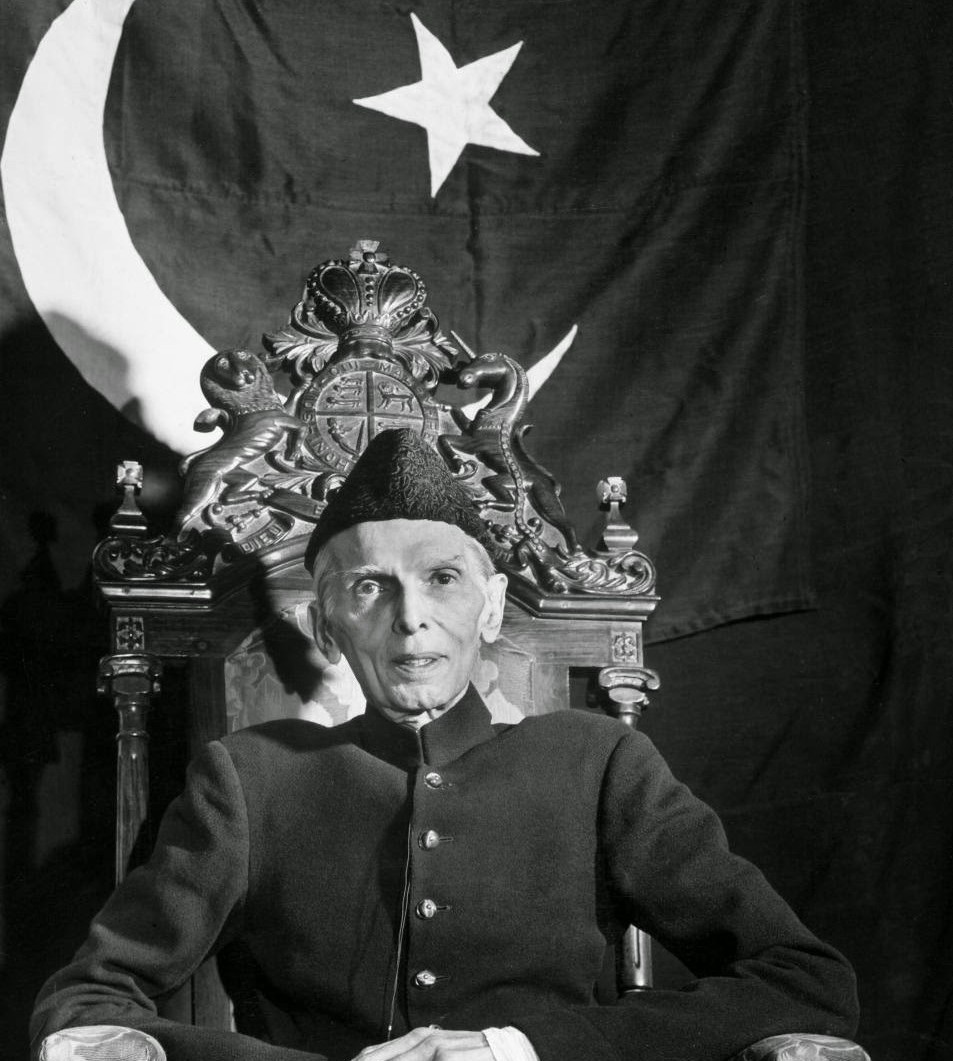
Part III: Founder of Pakistan
Lord Mountbatten on Jinnah
“I tried every trick I could play, I used every appeal I could imagine, to shake Jinnah’s resolve.... Nothing would. There was no argument that could move him from his consuming determination to realize the dream of Pakistan.”
[Jinnah by Jaswant Singh, Page 431]
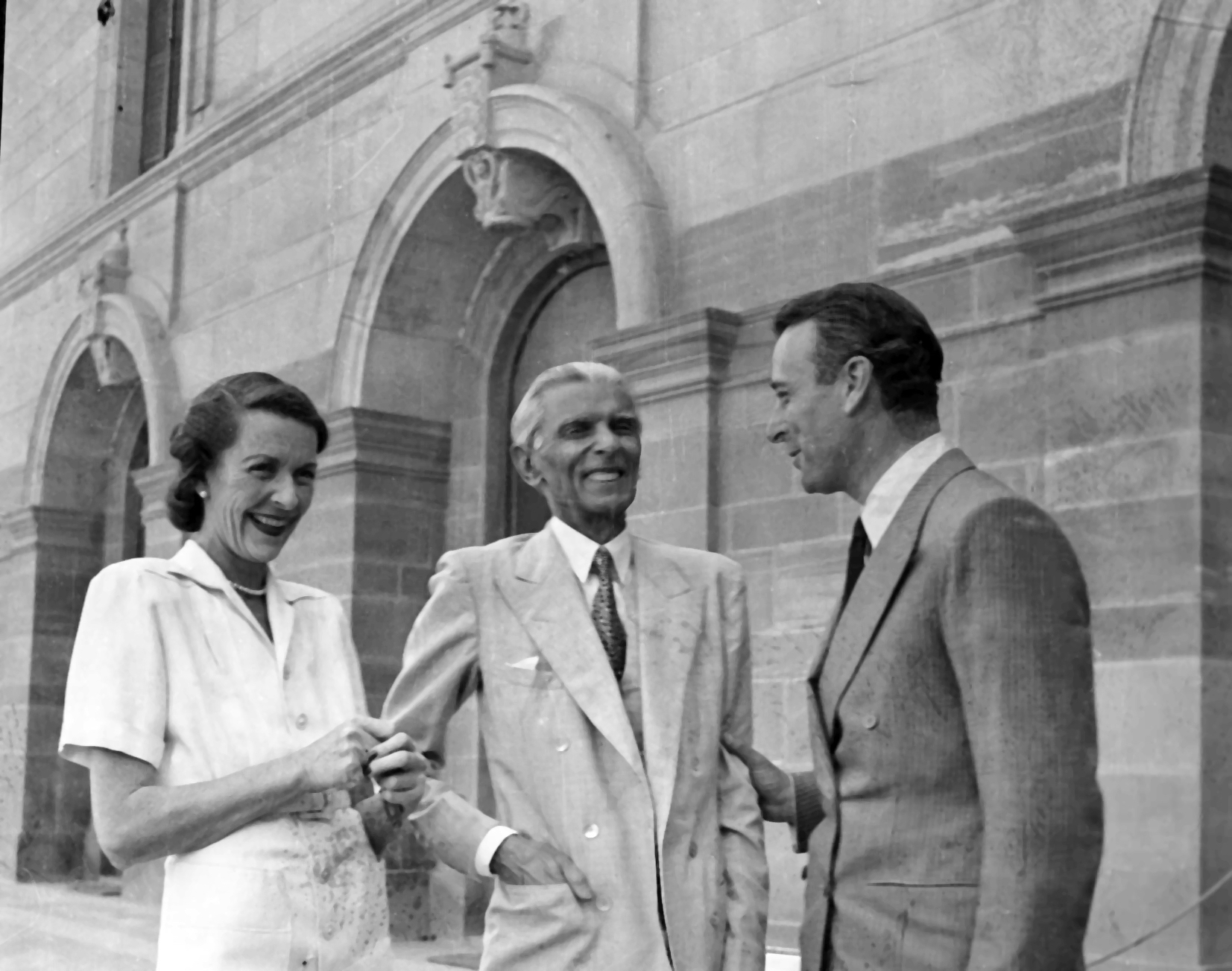
Mountbatten informed UK about Jinnah
“It was clear that he (Jinnah) was the man who held the key to the whole situation.”
[Jinnah: India, Partition, Independence; Jaswant Singh; Page 433]
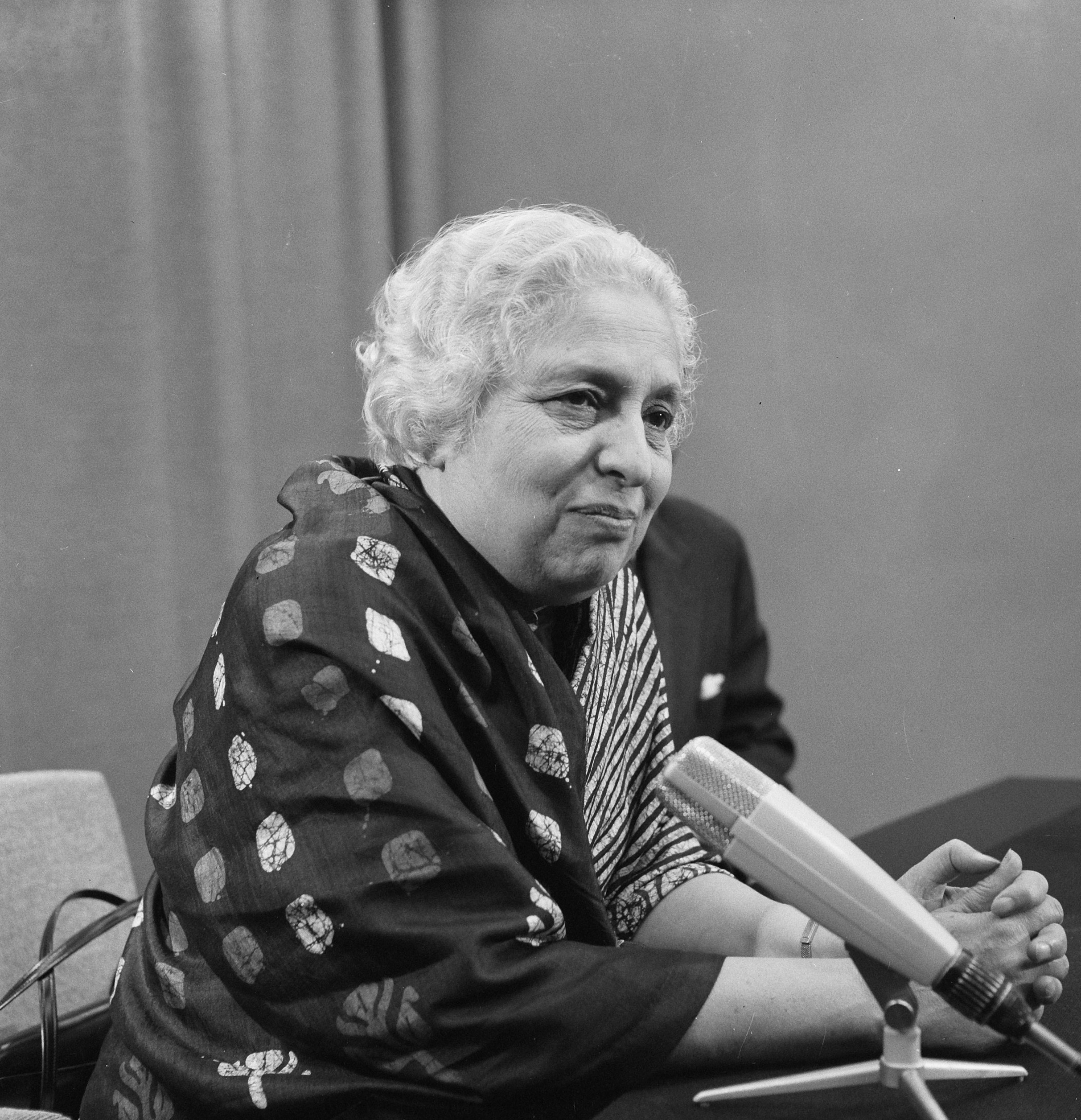
Vijaya Lakshmi Pundit on Jinnah
“If Pakistan Muslim League had 100 Gandhis and 200 Abul Kalam Azads, there would have been no Pakistan. However, if the Congress had only one Jinnah, India would not have been divided.”
[Jinnah’s democractic legacy by Adv Bilal Hussain] [Dawn, 25th January 2012]
The loss of life & property
“More than 600,000 people massacred and about 15,000,000 uprooted from their homes and compelled to migrate in disorder and great distress.”
[Jinnah: India, Partition, Independence; Jaswant Singh; Page 433]
Muhammad Asad as a Volunteer
“One day we received a telephone call from the station-master at Ferozepore ... that an unscheduled train of refugee women had just left ... it was full of women of all ages - at least two hundred of them - and to our horror we saw that all had been stripped naked ... they were Muslim women, most of them accustomed to veiling themselves with a burqah ... we had by far not enough blankets with us to cover them all, and so the volunteers took off their jackets and shirts ... still, there were not enough ... and nothing could be done ...”
[The Road to Mecca by Muhammad Asad, Volume 2, Page 128-129]
Pakistan’s Financial Crisis
“Quaid-e-Azam had requested the extremely rich Nizam of Hyderabad to lend to Pakistan some millions of pounds sterling in gold bullion, to be deposited - in the Nazim’s name - as a coverage for Pakistan’s currency; but the Nizam ... refused point-blank ...”
[The Road to Mecca by Muhammad Asad, Volume 2, Page 136]
Adamjee Haji Dawood
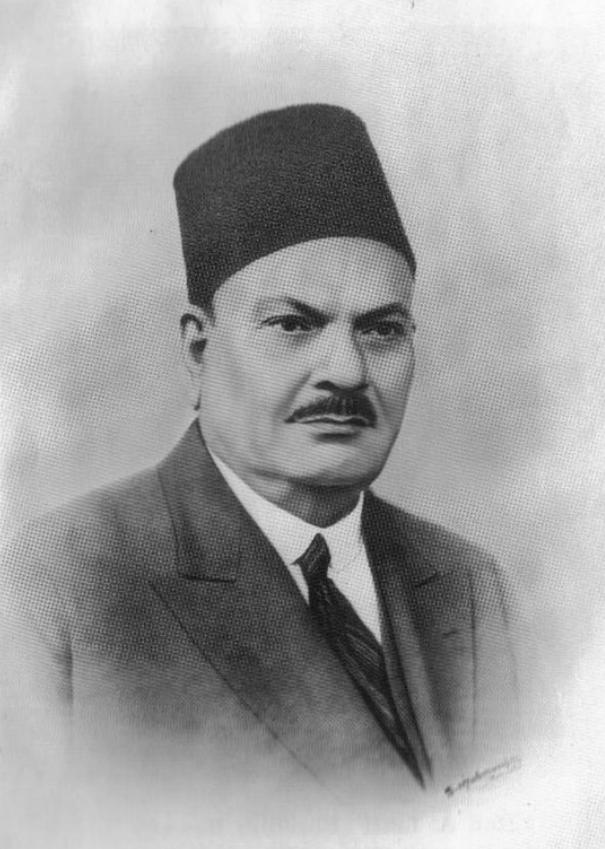
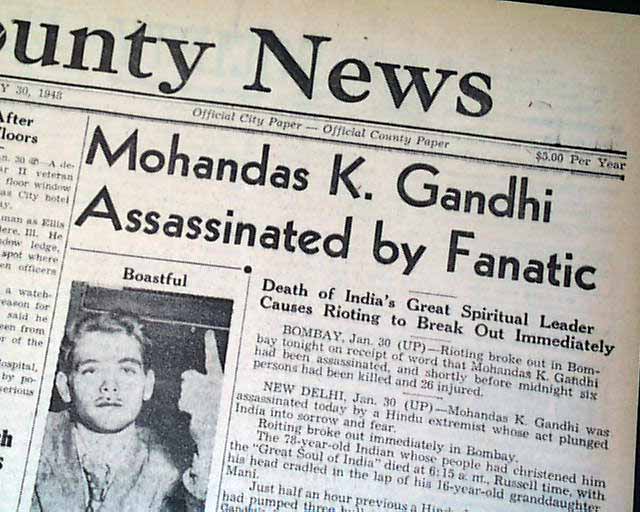
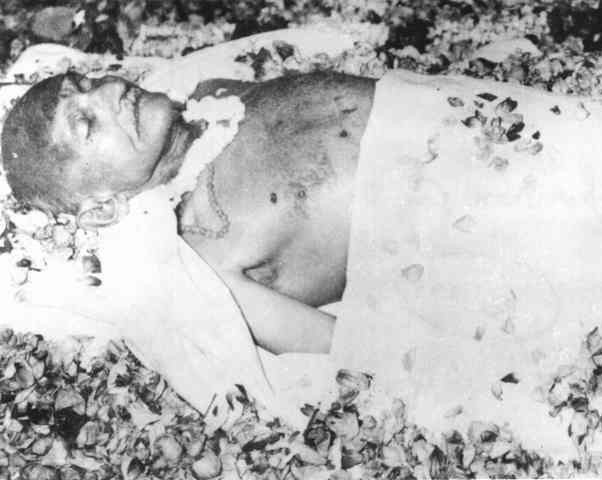
Gandhi Assassinated by Hindu Extremist
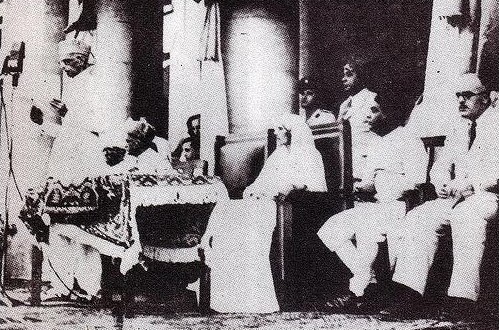
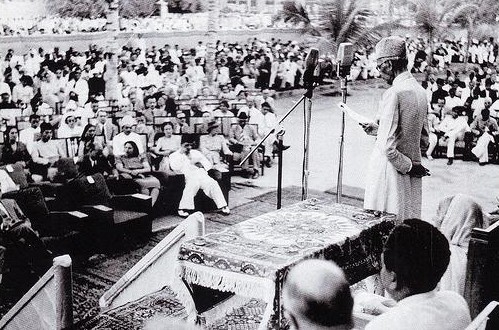
Quaid-e-Azam on Islamic Economic System in Pakistan
“I shall watch with keenness the work of your Research Organisation in evolving banking practices compatible with Islamic ideals of social and economic life. The economic system of the West has created almost insoluble problems for humanity ...”
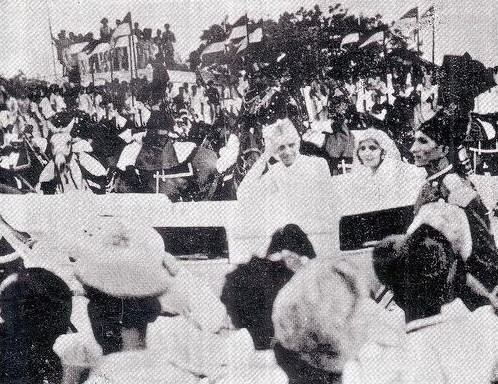
Inauguration of State Bank
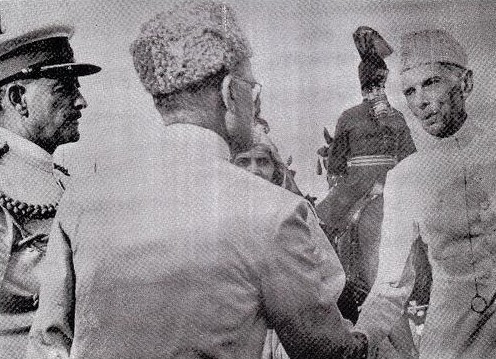
“... and to many of us it appears that only a miracle can save it from [the] disaster that is now facing the world ... The adoption of western economic theory and practice will not help us in achieving our goal of creating a happy and contented people. We must work our destiny in our own way, ...”
“... and present to the world [an] economic system based on true Islamic concept of equality of manhood and social justice. We will thereby be fulfilling our mission as Muslims and giving to humanity the message of peace, which alone can save it and secure the welfare, happiness and prosperity of mankind.”
[https://www.sbp.org.pk/about/history/h_moments.htm]
Quaid-e-Azam on Pakistan’s Law
“Let it be clear that Pakistan is going to be a Muslim State based on Islamic Ideals ... In Islam there is no discrimination as far as citizenship is concerned.”
[Speech at the Meeting of AIML Council, Karachi, December 1947]
Quaid-e-Azam’s Belief in the Hereafter
“Work honestly & sincerely & be faithful & loyal to the Pakistan Government. I can assure you that there is nothing greater in this world than your own conscience & when you appear before God, you can say that you performed your duty with the highest sense of integrity, honesty & with loyalty & faithfulness.”
[Quaid-e-Azam’s Broadcast Message to the Nation, February 1948]
Quaid-e-Azam on Modern Democracy
“The modern democratic form of Government is not suitable to the genius of the Indian People ... We want a true democracy in accordance with Islam and not a Parliamentary Government of the Western or Congress type.”
[Address to the Hostel Parliament of Ismail Yusuf College, Jogeshwari (Bombay) 1st February 1943]
On Future Constitution of Pakistan
“I do not know what the ultimate shape of this constitution is going to be, but I am sure that it will be of a democratic type, embodying the essential principles of Islam ... Islam and its idealism have taught us democracy. It has taught equality of men, justice and fairplay to everybody.”
[Jinnah’s Broadcast to the people of United States, 26th February 1948]
Quaid-e-Azam on Shariah & Minorities
“In Pakistan we shall have a state which will be run according to the principles of Islam. It will have its cultural, political and economic structure based on the principles of Islam. The non-Muslims need not fear because of this, for fullest justice will be done to them ...”
[Address to Ismail Yusuf College, Jogeshwari, Bombay, 1st February 1943]
How to get Pakistan
“Not by asking, not by begging, not even by mere prayers, but by working with trust in God. Inshallah! Pakistan now in your hands.”
[Reported in Dawn, 10th March 1944]
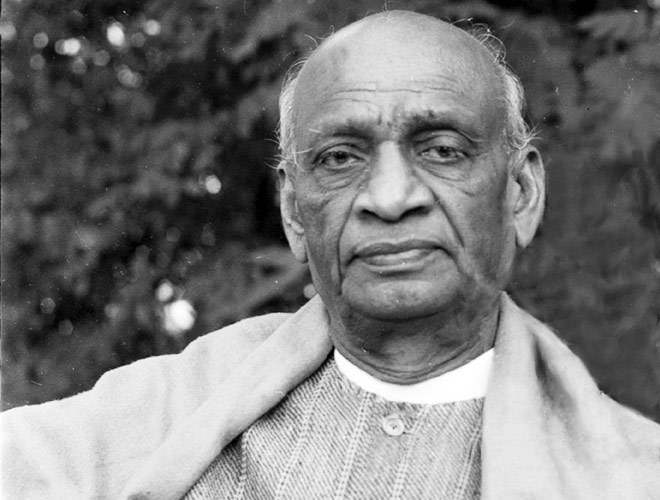
Sardar Patel’s comments on Jinnah
“The poison has been removed from the body of India ... I do not know what they can possibly do in Pakistan. It will not be long before they return ...”
[Constituent Assembly in Dehli, 8th August 1947]
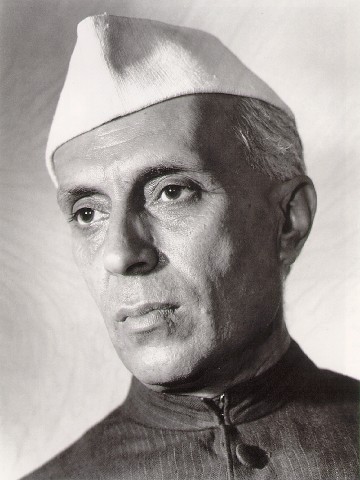
Jawaharlal Nehru on the Partition India
“Let us see for how long they remain separate.”
[Jinnah by Jaswant Singh, Page 464]
Quaid-e-Azam’s reply to the
Expectations of Congress
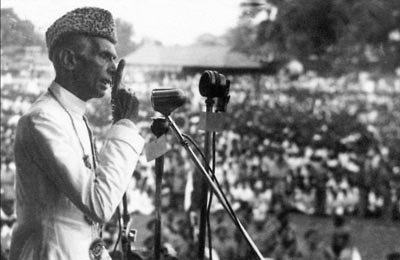
“Do your duty and have faith in God. There is no power on earth that can undo Pakistan. It has come to stay.”
[At the University Stadium, Lahore (30 Oct, 1947)]
Department of Islamic Reconstruction (1948)
Headed by Muhammad Asad
What Pakistan Stands for
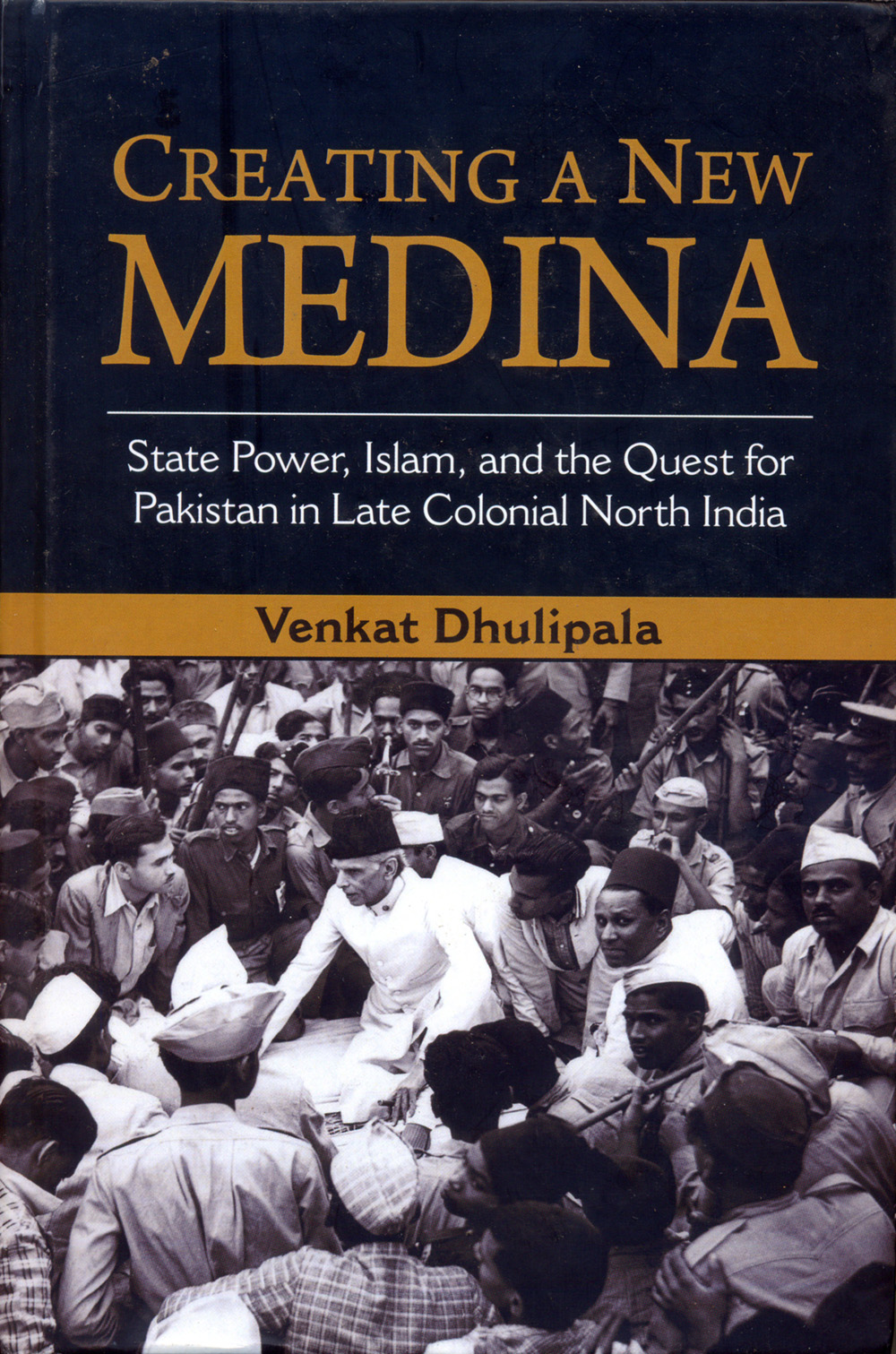
Quaid-e-Azam rejecting whispers for Secularism
“Why this feeling of nervousness that the future constitution of Pakistan is going to be in conflict with Shariat law? ... There are people who deliberately want to create mischief and make the propaganda that we will scrap it (Shariah).”
[Islam & Pakistan’s Identity by Dr. Javid Iqbal, Page 311]
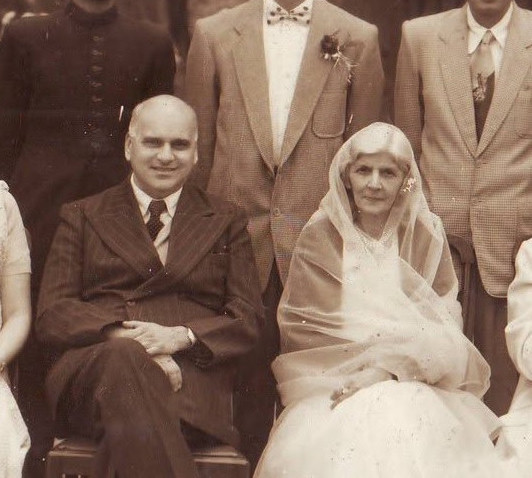
Companions during his Last Days
Stanley Wolpert, Professor in University of California 1959-2002
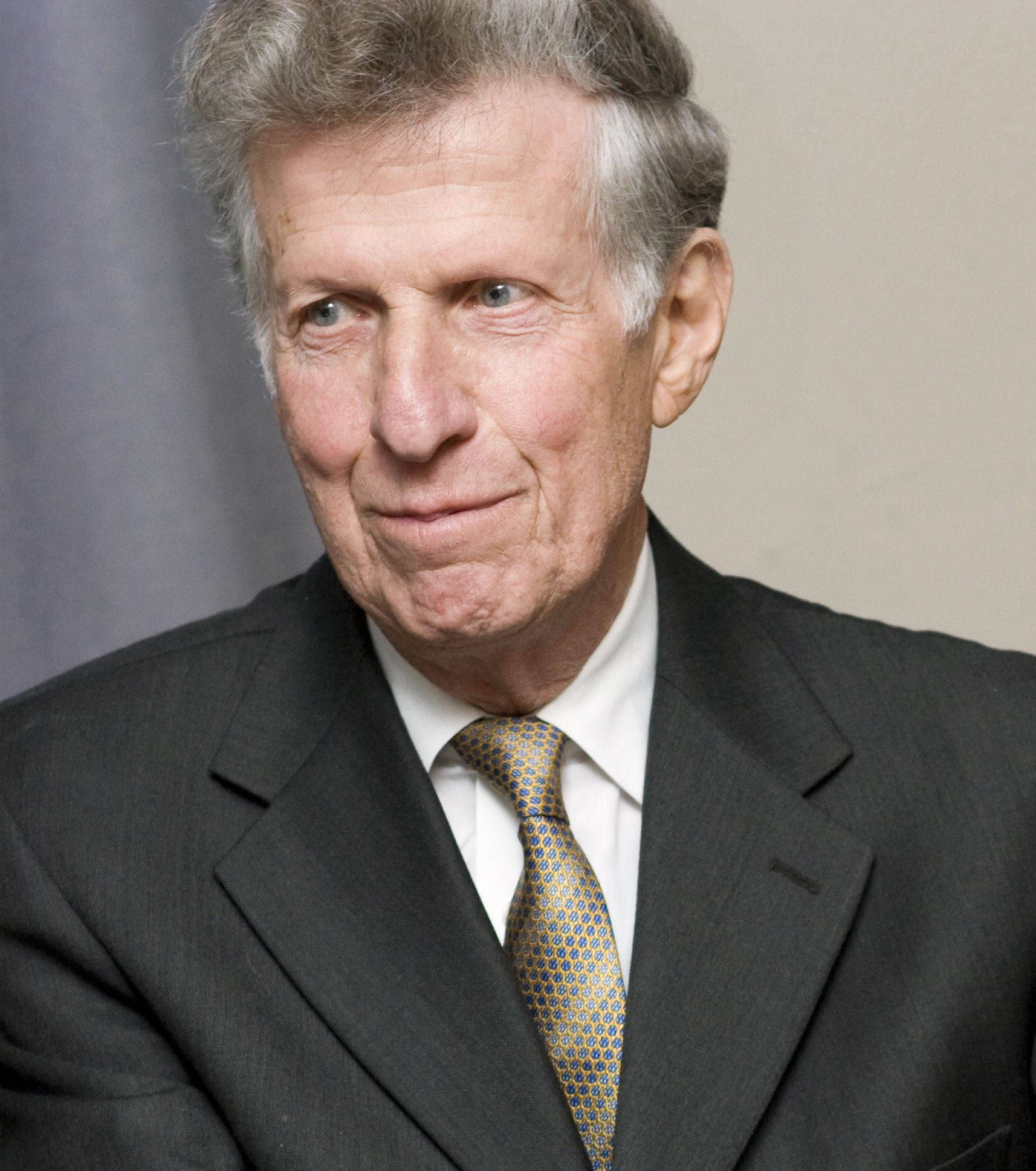
“Few individuals significantly alter the course of history. Fewer still modify the map of the world. Hardly anyone can be credited with creating a nation-state. Muhammad Ali Jinnah did all three.”
These are the opening lines of the preface of Stanley Wolpert’s book, “Jinnah of Pakistan”
First Published in 1984
How Important Jinnah was for Pakistan
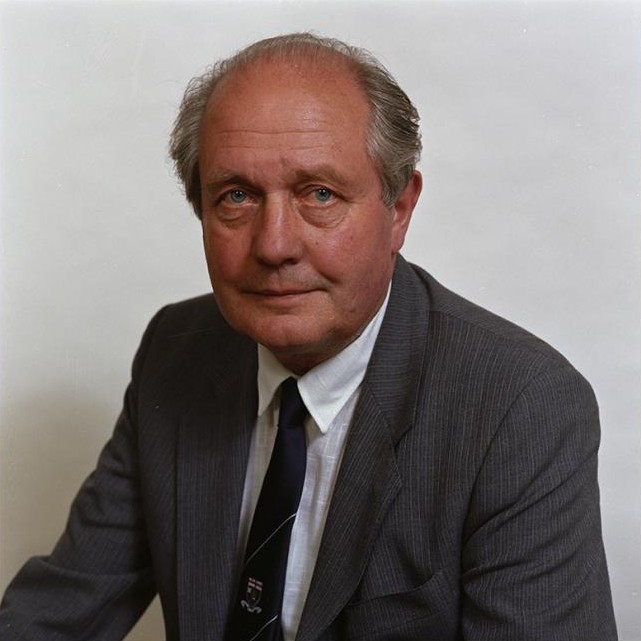
“Although without Gandhi, Hindustan would still have gained independence and, without Lenin and Mao, Russia and China would still have endured Communist revolution, without Jinnah there would have been no Pakistan in 1947.”
[Jinnah the Founder of Pakistan, Page 24]
First Address to the Constituent Assembly
11th August 1947
“... I shall always be guided by the principles of justice and fair-play without any, as is put in the political language, prejudice or ill-will, in other words partiality or favouritism. My guiding principle will be justice and complete impartiality, and I am sure that with your support and co-operation, I can look forward to Pakistan becoming one of the greatest Nations of the world.”
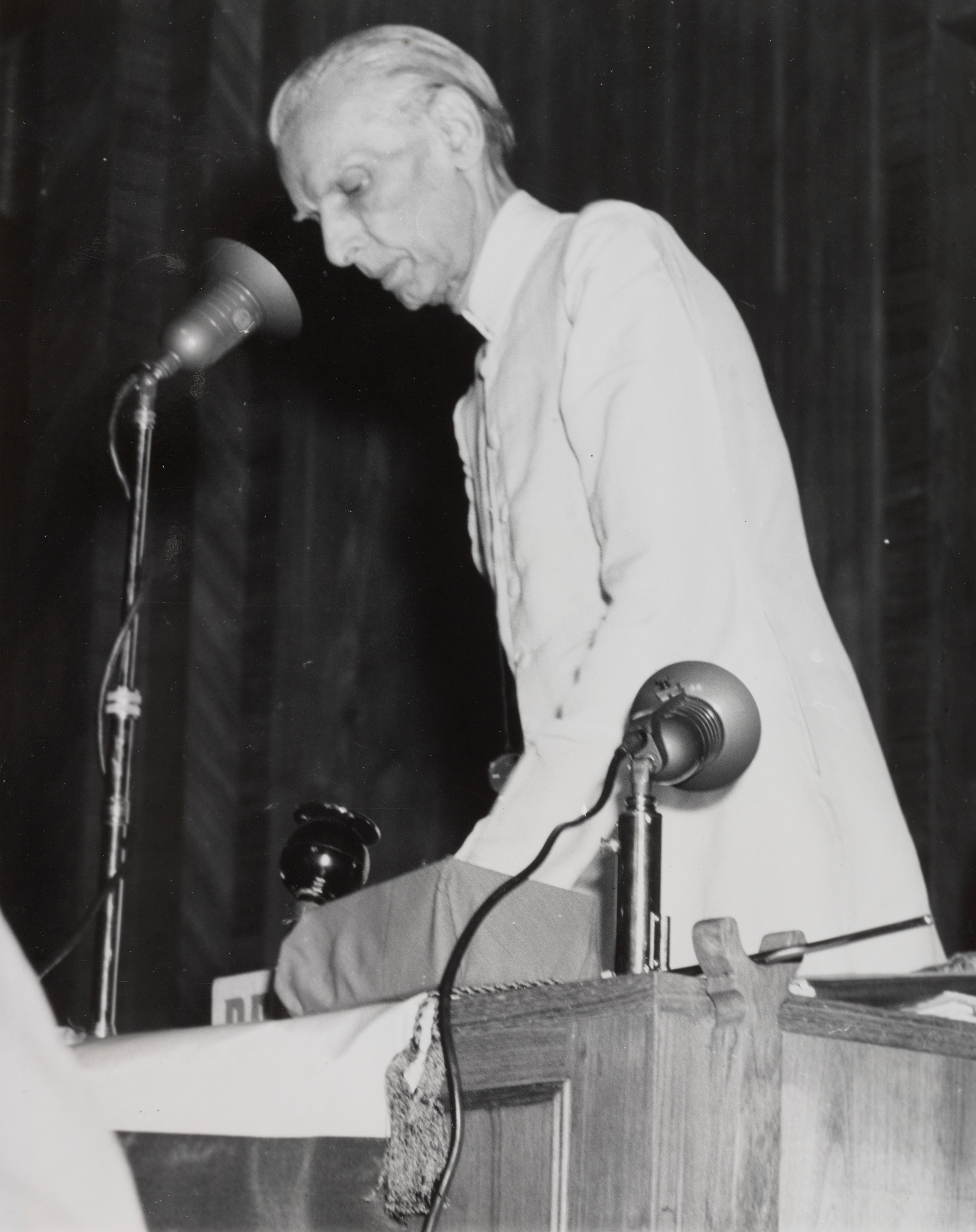
Jinnah’s Image of a Non-Practicing Muslim
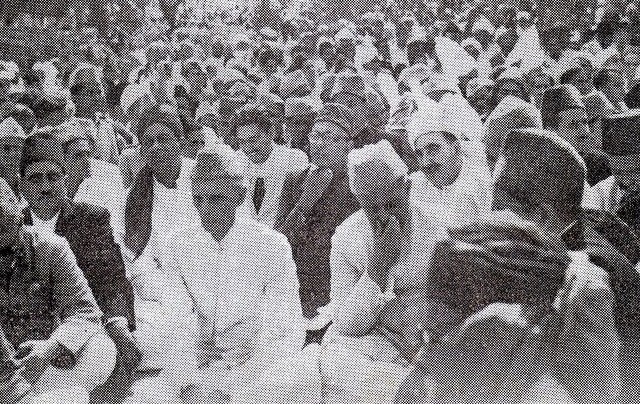
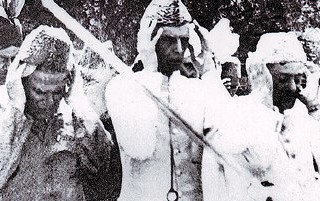
When Quaid-e-Azam Died
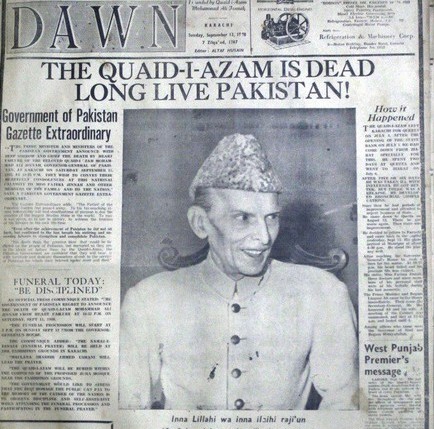
12th September 1948
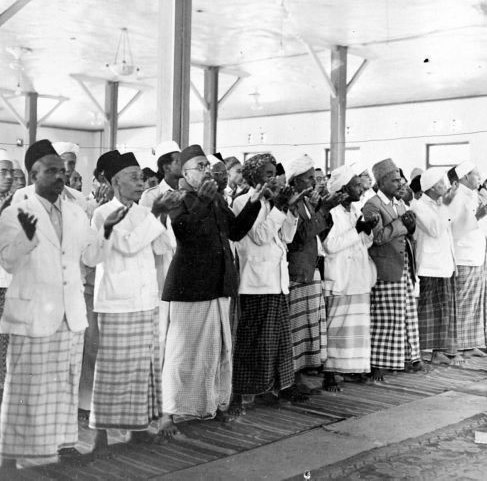
May Allah forgive all his short-comings and bless him with His Grace (Rehmah).

Email: MAhmadZ@pm.me
YouTube: @MAhmadZ
Twitter: @MAhmadZ
Telegram: @MAhmadZ
Soundcloud: @MAhmadZ
LinkedIn: @MAhmadZ
For the full video & other beneficial topics, visit:
YouTube: @MAhmadZ
Twitter: @MAhmadZ
Telegram: @MAhmadZ
Soundcloud: @MAhmadZ
LinkedIn: @MAhmadZ
Email: MAhmadZ@pm.me