The Greatest Women in Islam
اسلام کیعظیم ترین خواتین
A Series By: Muhammad Ahmad Zafar



Asiya bint Muzahim
آسیہ بنت مزاحم
Part 1 of 4
The Greatest Women in Islam
اسلام کیعظیم ترین خواتین
Prophet Muhammad ﷺ is the Role Model
لَّقَدْ كَانَ لَكُمْ فِي رَسُولِ اللَّهِ أُسْوَةٌ حَسَنَةٌ لِّمَن كَانَ يَرْجُو اللَّهَ وَالْيَوْمَ الْآخِرَ وَذَكَرَ اللَّهَ كَثِيرًا ۞
“There has certainly been for you in the Messenger of Allah an excellent pattern for anyone whose hope is in Allah and the Last Day and [who] remembers Allah often.”
[Surah Al-Ahzab (33), Ayat 21]
Prophet ﷺ Appointed a Day for the Women
عَنْ أَبِي سَعِيدٍ الْخُدْرِيِّ، قَالَتِ النِّسَاءُ لِلنَّبِيِّ صلى الله عليه وسلم غَلَبَنَا عَلَيْكَ الرِّجَالُ، فَاجْعَلْ لَنَا يَوْمًا مِنْ نَفْسِكَ. فَوَعَدَهُنَّ يَوْمًا لَقِيَهُنَّ فِيهِ، فَوَعَظَهُنَّ وَأَمَرَهُنَّ ...
Narrated by Abu Saeed Al-Khudri (r.a) that some women requested the Prophet to fix a day for them as the men were taking all his time. On that he promised them one day for religious lessons and commandments ...
[Sahih Al-Bukhari, Kitab Al-Ilm (3), 101]
The Four Greatest Women for all Times (1)
عَنْ أَنَسٍ، رضى الله عنه أَنَّ النَّبِيَّ صلى الله عليه وسلم قَالَ « حَسْبُكَ مِنْ نِسَاءِ الْعَالَمِينَ مَرْيَمُ ابْنَةُ عِمْرَانَ وَخَدِيجَةُ بِنْتُ خُوَيْلِدٍ وَفَاطِمَةُ بِنْتُ مُحَمَّدٍ وَآسِيَةُ امْرَأَةُ فِرْعَوْنَ »
Narrated from Anas (r.a) that the Prophet (s.a.w) said, “Sufficient for you among the women for all times are Maryam bint Imran (s.a), Khadijah bint Khuwaylid (r.a), Fatima bint Muhammad (r.a) and Asiya (s.a) - the wife of Pharaoh.”
[Tirmidhi, Kitab Al-Manaqib (46), 3878] (Sahih)
The Four Greatest Women for all Times (2)
عَنِ ابْنِ عَبَّاسٍ ، قَالَ خَطَّ رَسُولُ اللَّهِ صَلَّى اللَّهُ عَلَيْهِ وَسَلَّمَ فِي الْأَرْضِ أَرْبَعَةَ خُطُوطٍ، قَالَ « تَدْرُونَ مَا هَذَا؟ » فَقَالُوا اللَّهُ وَرَسُولُهُ أَعْلَمُ ، فَقَالَ رَسُولُ اللَّهِ صَلَّى اللَّهُ عَلَيْهِ وَسَلَّمَ « أَفْضَلُ نِسَاءِ أَهْلِ الْجَنَّةِ خَدِيجَةُ بِنْتُ خُوَيْلِدٍ، وَفَاطِمَةُ بِنْتُ مُحَمَّدٍ، وَآسِيَةُ بِنْتُ مُزَاحِمٍ امْرَأَةُ فِرْعَوْنَ، وَمَرْيَمُ ابْنَةُ عِمْرَان »
Narrated from Ibn Abbas (r.a) that the Messenger of Allah (s.a.w) drew four lines and said, “Do you know what this is?” They (companions) said, “Allah and His Messenger know best.” The Messenger of Allah (s.a.w) said, “The best of the women of Paradise! Khadijah bint Khuwaylid (r.a), Fatima bint Muhammad (r.a), Asiya bint Muzahim (s.a), the wife of Pharaoh, and Maryam bint Imran (s.a).”
[Musnad Ahmad, 2668 & 2901] (Sahih)
Allah Sent Only Men as Prophets
وَمَا أَرْسَلْنَا مِن قَبْلِكَ إِلَّا رِجَالًا نُّوحِي إِلَيْهِم مِّنْ أَهْلِ الْقُرَىٰ ۞
“And We sent not before you [as messengers] except men to whom We revealed from among the people of cities ...”
[Surah Yusuf (12), Ayat 109]
وَمَا أَرْسَلْنَا مِن قَبْلِكَ إِلَّا رِجَالًا نُّوحِي إِلَيْهِمْ ۚ ... ۞
“And We sent not before you except men to whom We revealed ...”
[Surah Al-Nahl (16), Ayat 43]
Two Pharaoh - According to Bible
“Moses agreed to stay with the man, who gave his daughter Zipporah to Moses in marriage. Zipporah gave birth to a son, and Moses named him Gershom, saying, ‘I have become an alien in a foreign land.’ During that long period, the king of Egypt died. The Israelites groaned in their slavery and cried out, and their cry for help because of their slavery went up to God. God heard their groaning and he remembered his covenant with Abraham, with Isaac and with Jacob. So God looked on the Israelites and was concerned about them.”
[Bible, Book of Exodus, Chapter 2, Verse 21-25]
The Family of Pharaoh & Musa ؑ
فَالْتَقَطَهُ آلُ فِرْعَوْنَ لِيَكُونَ لَهُمْ عَدُوًّا وَحَزَنًا ۗ إِنَّ فِرْعَوْنَ وَهَامَانَ وَجُنُودَهُمَا كَانُوا خَاطِئِينَ ۞
“And the family of Pharaoh picked him up [out of the river] so that he would become to them an enemy and a [cause of] grief. Indeed, Pharaoh and Haman and their soldiers were deliberate sinners.”
[Surah Al-Qasas (28), Ayat 8]
Bible Mentions the Daughter of Pharaoh
“Then Pharaoh’s daughter went down to the Nile to bathe, and her attendants were walking along the river bank. She saw the basket among the reeds and sent her slave girl to get it. 6 She opened it and saw the baby. He was crying, and she felt sorry for him. ‘This is one of the Hebrew babies,’ she said.”
[Bible, Book of Exodus, Chapter 2, Verse 5-6]
Pharaoh - A Symbol for Tyranny & Evil
عَنْ عَبْدِ اللَّهِ، عَنِ النَّبِيِّ صَلَّى اللَّهُ عَلَيْهِ وَسَلَّمَ ، أَنَّهُ قَالَ « هَذَا فِرْعَوْنُ أُمَّتِي »
Ibn Masood (r.a) narrated that the Prophet (s.a.w) said, “This (Abu Jahl) was the Pharaoh of my Ummah.”
[Musnad Ahmad, 3825] (Daif)
This statement of the Prophet (s.a.w) was reported after the Battle of Badr when he (s.a.w) gazed at the face of Amr bin Hisham, better known as Abu Jahl in Islamic sources, when he was killed.
The Pharaoh’s Claim of Being the Divine
فَكَذَّبَ وَعَصَىٰ ۞ ثُمَّ أَدْبَرَ يَسْعَىٰ ۞ فَحَشَرَ فَنَادَىٰ ۞ فَقَالَ أَنَا رَبُّكُمُ الْأَعْلَىٰ ۞
“But Pharaoh denied and disobeyed. Then he turned his back, striving. And he gathered and called out. And said, ‘I am your most exalted lord.’”
[Surah An-Naziat (79), Ayat 21-24]
وَنَادَىٰ فِرْعَوْنُ فِي قَوْمِهِ قَالَ يَا قَوْمِ أَلَيْسَ لِي مُلْكُ مِصْرَ وَهَٰذِهِ الْأَنْهَارُ تَجْرِي مِن تَحْتِي ۖ أَفَلَا تُبْصِرُونَ ۞
“And Pharaoh called out among his people saying, ‘O my people, does not Egypt belong to me, and these rivers flowing; then do you not see?’”
[Surah Az-Zukhruf (43), Ayat 51]
The Supplication of Asiya bint Muzahim
وَضَرَبَ اللَّهُ مَثَلًا لِّلَّذِينَ آمَنُوا امْرَأَتَ فِرْعَوْنَ إِذْ قَالَتْ رَبِّ ابْنِ لِي عِندَكَ بَيْتًا فِي الْجَنَّةِ وَنَجِّنِي مِن فِرْعَوْنَ وَعَمَلِهِ وَنَجِّنِي مِنَ الْقَوْمِ الظَّالِمِينَ ۞
“And Allah presents an example of those who believed. The wife of Pharaoh, when she said, ‘My Lord, build for me near You a house in Paradise and save me from Pharaoh and his deeds and save me from the wrongdoing people.’”
[Surah At-Tahrim (66), Ayat 11]
Pharaoh Pegged & Tortured His Wife (1)
عَنْ أَبِي هُرَيْرَةَ أَنَّ فِرْعَوْنَ أَوْتَدَ لِامْرَأَتِهِ أَرْبَعَةَ أَوْتَادٍ فِي يَدَيْهَا وَرِجْلَيْهَا فَكَانَ إِذَا تَفَرَّقُوا عَنْهَا ظَلَّلَتْهَا الْمَلَائِكَةُ فَقَالَتْ رَبِّ ابْنِ لِي عِنْدَكَ بَيْتًا فِي الْجَنَّةِ وَنَجِّنِي مِنْ فِرْعَوْنَ وَعَمَلِهِ وَنَجِّنِي مِنَ الْقَوْمِ الظَّالِمِينَ فَكَشَفَ لَهَا عَنْ بَيْتِهَا فِي الْجَنَّةِ
Abu Huraira reported that Pharaoh pinned down his wife with four spikes in her hands and feet. When they left her, the angels provided her with shade. She said, “O Lord, build me a house in Paradise with You, and save me from Pharaoh and his deeds, and save me from the oppressive people.” Thus, her house in Paradise was revealed to her.
[Musnad Abi Ya’la, 6431] (Sahih)
Pharaoh Pegged & Tortured His Wife (2)
عنْ سَلمانَ رَضيَ اللهُ عنه، قالَ كانتِ امرأةُ فرعونَ تُعذَّبُ بالشَّمسِ، فإذا انصرفوا عنها أَظلَّتْها الملائكةُ بأجنحتِها، وكانتْ تَرى بيتَها في الجنَّةِ.
Narrated by Salman (r.a), he said, “The wife of Pharaoh used to be tortured under the sun. When they would leave her, the angels would shade her with their wings, and she would see her house in Paradise.”
[Mustadrak Al-Hakim, 2/538] & [Musannaf Ibn Abi Shaybah, Kitab al-Zuhd, Hadith 37382] (Sahih)
The Story of the Hairdresser (1)
عَنِ ابْنِ عَبَّاسٍ ، قَالَ قَالَ رَسُولُ اللَّهِ صَلَّى اللَّهُ عَلَيْهِ وَسَلَّمَ « لَمَّا كَانَتْ اللَّيْلَةُ الَّتِي أُسْرِيَ بِي فِيهَا، أَتَتْ عَلَيَّ رَائِحَةٌ طَيِّبَةٌ، فَقُلْتُ: يَا جِبْرِيلُ، مَا هَذِهِ الرَّائِحَةُ الطَّيِّبَةُ؟ فَقَالَ: هَذِهِ رَائِحَةُ مَاشِطَةِ ابْنَةِ فِرْعَوْنَ وَأَوْلَادِهَا، قَالَ: قُلْتُ وَمَا شَأْنُهَا؟ ...
Ibn Abbas (r.a) narrated the Messenger of Allah (s.a.w) said, “When I was taken on the Night Journey, a beautiful fragrance came to me. I said, ‘O Jibreel, what is this beautiful fragrance?’ He said, ‘Fragrance of the hairdresser of Pharaoh’s daughter and her children.’ I said, ‘What is their story?’ ...
[Musnad Ahmad, 2821] (Hasan)
Concealing Faith Under Fear of Death
مَن كَفَرَ بِاللَّهِ مِن بَعْدِ إِيمَانِهِ إِلَّا مَنْ أُكْرِهَ وَقَلْبُهُ مُطْمَئِنٌّ بِالْإِيمَانِ وَلَٰكِن مَّن شَرَحَ بِالْكُفْرِ صَدْرًا فَعَلَيْهِمْ غَضَبٌ مِّنَ اللَّهِ وَلَهُمْ عَذَابٌ عَظِيمٌ ۞
“Whoever disbelieves in Allah after his belief... except for one who is forced [to renounce his religion] while his heart is secure in faith. But those who [willingly] open their breasts to disbelief, upon them is wrath from Allah, and for them is a great punishment.”
[Surah Al-Nahl (16), Ayat 106]
The Story of the Hairdresser (2)
... قَالَ: بَيْنَا هِيَ تُمَشِّطُ ابْنَةَ فِرْعَوْنَ ذَاتَ يَوْمٍ، إِذْ سَقَطَتْ الْمِدْرَى مِنْ يَدَيْهَا، فَقَالَتْ: بِسْمِ اللَّهِ. فَقَالَتْ لَهَا ابْنَةُ فِرْعَوْنَ: أَبِي؟ قَالَتْ: لَا، وَلَكِنْ رَبِّي وَرَبُّ أَبِيكِ اللَّهُ. قَالَتْ: أُخْبِرُهُ بِذَلِكَ! قَالَتْ: نَعَمْ. فَأَخْبَرَتْهُ فَدَعَاهَا، فَقَالَ: يَا فُلَانَةُ، وَإِنَّ لَكِ رَبًّا غَيْرِي، قَالَتْ: نَعَمْ، رَبِّي وَرَبُّكَ اللَّهُ ...
... He said, ‘Whilst she was combing the hair of Pharaoh’s daughter, the comb fell from her hand. She said, “Bismillah”. Pharaoh’s daughter said, “My father?” She said, “No. My and the Lord of your father is Allah.” She said, “I will tell him.” She said, “Yes.” So she told him and he summoned her and said, “O So and so, do you have a Lord other than me?” She said, “Yes, my Lord and your Lord is Allah.” ...
[Musnad Ahmad, 2821] (Hasan)
The Story of the Hairdresser (3)
... فَأَمَرَ بِبَقَرَةٍ مِنْ نُحَاسٍ فَأُحْمِيَتْ، ثُمَّ أَمَرَ بِهَا أَنْ تُلْقَى هِيَ وَأَوْلَادُهَا فِيهَا، قَالَتْ لَهُ: إِنَّ لِي إِلَيْكَ حَاجَةً، قَالَ: وَمَا حَاجَتُكِ؟ قَالَتْ: أُحِبُّ أَنْ تَجْمَعَ عِظَامِي وَعِظَامَ وَلَدِي فِي ثَوْبٍ وَاحِدٍ، وَتَدْفِنَنَا، قَالَ: ذَلِكَ لَكِ عَلَيْنَا مِنَ الْحَقِّ، ...
... He ordered that a cow-shaped vessel made of copper be heated up, then he ordered that she and her children be thrown into it. She said, “I have a request to make of you.” He said, “What is your request?” She said, “I would like my bones and my children’s bones to be gathered together in one cloth and buried.” He said, “I will grant you that.” ...
[Musnad Ahmad, 2821] (Hasan)
The Story of the Hairdresser (4)
... قَالَ: فَأَمَرَ بِأَوْلَادِهَا فَأُلْقُوا بَيْنَ يَدَيْهَا وَاحِدًا وَاحِدًا، إِلَى أَنْ انْتَهَى ذَلِكَ إِلَى صَبِيٍّ لَهَا مُرْضَعٍ، وَكَأَنَّهَا تَقَاعَسَتْ مِنْ أَجْلِهِ، قَالَ: يَا أُمَّهْ، اقْتَحِمِي، فَإِنَّ عَذَابَ الدُّنْيَا أَهْوَنُ مِنْ عَذَابِ الْآخِرَةِ. فَاقْتَحَمَتْ » ...
... He ordered that her children be thrown into it in front of her, one by one, until they came to the last one who was an infant boy who was still being breastfed. It was as if she wavered because of him, but he said, “O mother, go ahead, for the punishment of this world is easier to bear than the punishment of the Hereafter.” So she went ahead.’” ...
[Musnad Ahmad, 2821] (Hasan)
Finally Freed from Pharaoh’s Torture
ابن جریر نے قاسم بن ابوبَزَّہ سے روایت کیا ہے کہ فرعون کی بیوی پوچھتی کہ کون غالب آیا ہے۔ انھیں بتایا جاتا کہ موسیٰ اور ہارون غالب آئے ہیں۔ وہ کہتیں کہ میں موسیٰ اور ہارون کے رب پر ایمان لاتی ہوں۔ پس فرعون نے پیغام بھیجا کہ کوئی سب سے بڑی چٹان دیکھو اور اسے اس پر گرادو، اور اگر یہ اپنی بات سے باز آجائے تو میری بیوی ہے۔ اس کے کارندے جب بہت بڑی اور بھاری پتھر کی چٹان لے کر آئے تو اُنھوں نے آسمان کی طرف نظر اُٹھائی اور جنت میں اپنے گھر کو دیکھ لیا، اور پھر یہ اپنی بات پر قائم رہیں، اسی حال میں ان کی روح قفس سے پرواز کر گئی تو انھوں نے ایسے جسم پر چٹان گرائی جس میں روح نہیں تھی۔
[Tafseer Ibn Kathir, Surah At-Tahrim, Ayat 11]
Maryam bint Imran
مريم بنت عمران
The Greatest Women in Islam
اسلام کیعظیم ترین خواتین
The Best Jihad! Sunnah of Ibrahim ؑ
عَنْ طَارِقِ بْنِ شِهَابٍ أَنَّ رَجُلًا سَأَلَ رَسُولَ اللَّهِ صَلَّى اللَّهُ عَلَيْهِ وَسَلَّمَ أَيُّ الْجِهَادِ أَفْضَلُ قَالَ « كَلِمَةُ حَقٍّ عِنْدَ سُلْطَانٍ جَائِرٍ »
Narrated by Tariq ibn Shihab (r.a) that once a man once asked the Messenger of Allah (s.a.w), “What is the best jihad?” He (s.a.w) replied, “A word of truth in front of a tyrannical ruler.”
[Sunan Nasai, Book on Pledges (39), 4214] (Hasan)
Mention of Maryam Before Her Own Birth
إِذْ قَالَتِ امْرَأَتُ عِمْرَانَ رَبِّ إِنِّي نَذَرْتُ لَكَ مَا فِي بَطْنِي مُحَرَّرًا فَتَقَبَّلْ مِنِّي ۖ إِنَّكَ أَنتَ السَّمِيعُ الْعَلِيمُ ۞
“When the wife of Imran said, ‘My Lord, indeed I have pledged to You what is in my womb, consecrated [for Your service], so accept this from me. Indeed, You are the Hearing, the Knowing.’”
[Surah Ale-Imran (3), Ayat 35]
Hadith on the Matter of Vows & Pledge
عَنْ أَبِي هُرَيْرَةَ، قَالَ قَالَ النَّبِيُّ صلى الله عليه وسلم « لاَ يَأْتِي ابْنَ آدَمَ النَّذْرُ بِشَىْءٍ لَمْ يَكُنْ قُدِّرَ لَهُ، وَلَكِنْ يُلْقِيهِ النَّذْرُ إِلَى الْقَدَرِ قَدْ قُدِّرَ لَهُ، فَيَسْتَخْرِجُ اللَّهُ بِهِ مِنَ الْبَخِيلِ، فَيُؤْتِي عَلَيْهِ مَا لَمْ يَكُنْ يُؤْتِي عَلَيْهِ مِنْ قَبْلُ »
Narrated by Abu Hurairah (r.a) that the Prophet (s.a.w) said, “The vow, does not bring about for the son of Adam anything that has not been decreed for him, but his vow may coincide with what has been decided for him, and by this way he spends from his wealth. So he gives for the fulfilment of what has been decreed for him what he would not give otherwise.”
[Sahih Al-Bukhari, Book of Oaths and Vows (83), 6694]
The Birth of Maryam (Mary / Miriam)
فَلَمَّا وَضَعَتْهَا قَالَتْ رَبِّ إِنِّي وَضَعْتُهَا أُنثَىٰ وَاللَّهُ أَعْلَمُ بِمَا وَضَعَتْ وَلَيْسَ الذَّكَرُ كَالْأُنثَىٰ ۖ وَإِنِّي سَمَّيْتُهَا مَرْيَمَ وَإِنِّي أُعِيذُهَا بِكَ وَذُرِّيَّتَهَا مِنَ الشَّيْطَانِ الرَّجِيمِ ۞
“But when she delivered her, she said, ‘My Lord, I have delivered a female.’ And Allah was most knowing of what she delivered, ‘And the male is not like the female. And I have named her Mary, and I seek refuge for her in You and [for] her descendants from Satan, the expelled.’”
[Surah Ale-Imran (3), Ayat 36]
Every Child is Pricked by Satan Except ...
عَنْ أَبِي هُرَيْرَةَ ، أَنَّ رَسُولَ اللهِ صَلَّى اللَّهُ عَلَيْهِ وَسَلَّمَ قَالَ « مَا مِنْ مَوْلُودٍ يُولَدُ إِلاَّ نَخَسَهُ الشَّيْطَانُ ، فَيَسْتَهِلُّ صَارِخًا مِنْ نَخْسَةِ الشَّيْطَانِ ، إِلاَّ ابْنَ مَرْيَمَ وَأُمَّهُ » ثُمَّ قَالَ أَبُو هُرَيْرَةَ اقْرَؤُوا إِنْ شِئْتُمْ { وَإِنِّي أُعِيذُهَا بِكَ وَذُرِّيَّتَهَا مِنَ الشَّيْطَانِ الرَّجِيمِ }
Abu Hurairah (r.a) narrated that the Messenger of Allah (s.a.w) said, “Every child born is pricked by satan and because of it the child begins to weep except the son of Mary and his mother.” Then Abu Hurairah (r.a) suggested to recite (it), “I seek Thy protection for her and her offspring against satan the accursed.”
[Sahih Muslim, Kitab Al-Fazail (43), 6133]
A Life Dedicated for the Worship of Allah
فَتَقَبَّلَهَا رَبُّهَا بِقَبُولٍ حَسَنٍ وَأَنبَتَهَا نَبَاتًا حَسَنًا وَكَفَّلَهَا زَكَرِيَّا ۖ كُلَّمَا دَخَلَ عَلَيْهَا زَكَرِيَّا الْمِحْرَابَ وَجَدَ عِندَهَا رِزْقًا ۖ قَالَ يَا مَرْيَمُ أَنَّىٰ لَكِ هَٰذَا ۖ قَالَتْ هُوَ مِنْ عِندِ اللَّهِ ۖ إِنَّ اللَّهَ يَرْزُقُ مَن يَشَاءُ بِغَيْرِ حِسَابٍ ۞
“So her Lord accepted her with good acceptance and caused her to grow in a good manner and put her in the care of Zechariah. Every time Zechariah entered upon her in the prayer chamber, he found with her provision. He said, ‘O Mary, from where is this [coming] to you?’ She said, ‘It is from Allah. Indeed, Allah provides for whom He wills without account.’”
[Surah Ale-Imran (3), Ayat 37]
The Angels Announce her Special Status
وَإِذْ قَالَتِ الْمَلَائِكَةُ يَا مَرْيَمُ إِنَّ اللَّهَ اصْطَفَاكِ وَطَهَّرَكِ وَاصْطَفَاكِ عَلَىٰ نِسَاءِ الْعَالَمِينَ ۞ يَا مَرْيَمُ اقْنُتِي لِرَبِّكِ وَاسْجُدِي وَارْكَعِي مَعَ الرَّاكِعِينَ ۞
“And when the angels said, ‘O Mary, indeed Allah has chosen you and purified you and chosen you above the women of the worlds. O Mary, be devoutly obedient to your Lord and prostrate and bow with those who bow [in prayer].’”
[Surah Ale-Imran (3), Ayat 42-43]
The Angels Share News of Her Son Esa ؑ
إِذْ قَالَتِ الْمَلَائِكَةُ يَا مَرْيَمُ إِنَّ اللَّهَ يُبَشِّرُكِ بِكَلِمَةٍ مِّنْهُ اسْمُهُ الْمَسِيحُ عِيسَى ابْنُ مَرْيَمَ وَجِيهًا فِي الدُّنْيَا وَالْآخِرَةِ وَمِنَ الْمُقَرَّبِينَ ۞ وَيُكَلِّمُ النَّاسَ فِي الْمَهْدِ وَكَهْلًا وَمِنَ الصَّالِحِينَ ۞
“When the angels said, ‘O Mary, indeed Allah gives you good tidings of a word from Him, whose name will be the Messiah, Jesus, the son of Mary - distinguished in this world and the Hereafter and among those brought near [to Allah]. He will speak to the people in the cradle and in maturity and will be of the righteous.’”
[Surah Ale-Imran (3), Ayat 45-46]
Her Reaction & the Reply of the Angel (1)
قَالَتْ رَبِّ أَنَّىٰ يَكُونُ لِي وَلَدٌ وَلَمْ يَمْسَسْنِي بَشَرٌ ۖ قَالَ كَذَٰلِكِ اللَّهُ يَخْلُقُ مَا يَشَاءُ ۚ إِذَا قَضَىٰ أَمْرًا فَإِنَّمَا يَقُولُ لَهُ كُن فَيَكُونُ ۞ وَيُعَلِّمُهُ الْكِتَابَ وَالْحِكْمَةَ وَالتَّوْرَاةَ وَالْإِنجِيلَ ۞ وَرَسُولًا إِلَىٰ بَنِي إِسْرَائِيلَ ...
“She said, ‘My Lord, how will I have a child when no man has touched me?’ [The angel] said, ‘Such is Allah; He creates what He wills. When He decrees a matter, He only says to it, BE and it is. And He will teach him writing and wisdom and the Torah and the Gospel. And [make him] a messenger to the Children of Israel ... ‘”
[Surah Ale-Imran (3), Ayat 47-49]
Her Reaction & the Reply of the Angel (2)
وَاذْكُرْ فِي الْكِتَابِ مَرْيَمَ إِذِ انتَبَذَتْ مِنْ أَهْلِهَا مَكَانًا شَرْقِيًّا ۞ فَاتَّخَذَتْ مِن دُونِهِمْ حِجَابًا فَأَرْسَلْنَا إِلَيْهَا رُوحَنَا فَتَمَثَّلَ لَهَا بَشَرًا سَوِيًّا ۞ قَالَتْ إِنِّي أَعُوذُ بِالرَّحْمَٰنِ مِنكَ إِن كُنتَ تَقِيًّا ۞ قَالَ إِنَّمَا أَنَا رَسُولُ رَبِّكِ لِأَهَبَ لَكِ غُلَامًا زَكِيًّا ۞
[Surah Maryam (19), Ayat 16-19]
The Pain, Feelings & Stages of Conception
فَحَمَلَتْهُ فَانتَبَذَتْ بِهِ مَكَانًا قَصِيًّا ۞ فَأَجَاءَهَا الْمَخَاضُ إِلَىٰ جِذْعِ النَّخْلَةِ قَالَتْ يَا لَيْتَنِي مِتُّ قَبْلَ هَٰذَا وَكُنتُ نَسْيًا مَّنسِيًّا ۞ فَنَادَاهَا مِن تَحْتِهَا أَلَّا تَحْزَنِي قَدْ جَعَلَ رَبُّكِ تَحْتَكِ سَرِيًّا ۞ وَهُزِّي إِلَيْكِ بِجِذْعِ النَّخْلَةِ تُسَاقِطْ عَلَيْكِ رُطَبًا جَنِيًّا ۞
[Surah Maryam (19), Ayat 22-25]
Allah Defended Mary through Her Son
فَأَتَتْ بِهِ قَوْمَهَا تَحْمِلُهُ ۖ قَالُوا يَا مَرْيَمُ لَقَدْ جِئْتِ شَيْئًا فَرِيًّا ۞ يَا أُخْتَ هَارُونَ مَا كَانَ أَبُوكِ امْرَأَ سَوْءٍ وَمَا كَانَتْ أُمُّكِ بَغِيًّا ۞ فَأَشَارَتْ إِلَيْهِ ۖ قَالُوا كَيْفَ نُكَلِّمُ مَن كَانَ فِي الْمَهْدِ صَبِيًّا ۞ قَالَ إِنِّي عَبْدُ اللَّهِ آتَانِيَ الْكِتَابَ وَجَعَلَنِي نَبِيًّا ۞
[Surah Maryam (19), Ayat 27-30]
Quran on the Crucifixion of Jesus
وَقَوْلِهِمْ إِنَّا قَتَلْنَا الْمَسِيحَ عِيسَى ابْنَ مَرْيَمَ رَسُولَ اللَّهِ وَمَا قَتَلُوهُ وَمَا صَلَبُوهُ وَلَٰكِن شُبِّهَ لَهُمْ ۚ وَإِنَّ الَّذِينَ اخْتَلَفُوا فِيهِ لَفِي شَكٍّ مِّنْهُ ۚ مَا لَهُم بِهِ مِنْ عِلْمٍ إِلَّا اتِّبَاعَ الظَّنِّ ۚ وَمَا قَتَلُوهُ يَقِينًا ۞
“And their saying, ‘Indeed, we have killed the Messiah Jesus, son of Mary, Messenger of Allah.’ And they did not kill him, nor crucify him; but [another] was made to resemble him to them. And indeed, those who differ over it are in doubt about it. They have no knowledge of it except of assumption. And they did not kill him, for certain.”
[Surah An-Nisa (4), 157]
Khadijah Khuwaylid
خديجہ بنت خويلد
The Greatest Women in Islam
اسلام کیعظیم ترین خواتین
Mention of Asiya bint Muzahim in Quran
وَضَرَبَ اللَّهُ مَثَلًا لِّلَّذِينَ آمَنُوا امْرَأَتَ فِرْعَوْنَ إِذْ قَالَتْ رَبِّ ابْنِ لِي عِندَكَ بَيْتًا فِي الْجَنَّةِ وَنَجِّنِي مِن فِرْعَوْنَ وَعَمَلِهِ وَنَجِّنِي مِنَ الْقَوْمِ الظَّالِمِينَ ۞
“And Allah presents an example of those who believed. The wife of Pharaoh, when she said, ‘My Lord, build for me near You a house in Paradise and save me from Pharaoh and his deeds and save me from the wrongdoing people.’”
[Surah At-Tahrim (66), Ayat 11]
Mention of Maryam bint Imran in Quran
وَمَرْيَمَ ابْنَتَ عِمْرَانَ الَّتِي أَحْصَنَتْ فَرْجَهَا فَنَفَخْنَا فِيهِ مِن رُّوحِنَا وَصَدَّقَتْ بِكَلِمَاتِ رَبِّهَا وَكُتُبِهِ وَكَانَتْ مِنَ الْقَانِتِينَ ۞
“And Mary, the daughter of Imran, who guarded her chastity, so We blew into through Our angel, and she believed in the words of her Lord and His scriptures and was of the devoutly obedient.”
[Surah At-Tahrim (66), Ayat 12]
Special Mention of Maryam & Khadijah
عَبْدَ اللَّهِ بْنَ جَعْفَرٍ، قَالَ سَمِعْتُ عَلِيًّا ـ رضى الله عنه ـ يَقُولُ سَمِعْتُ النَّبِيَّ صلى الله عليه وسلم يَقُولُ « خَيْرُ نِسَائِهَا مَرْيَمُ ابْنَةُ عِمْرَانَ، وَخَيْرُ نِسَائِهَا خَدِيجَةُ »
Narrated by Ali (r.a) that he heard the Prophet (s.a.w) say, “Maryam, the daughter of Imran, was the best among the women (of the world of her time) and Khadijah is the best amongst the women (of this nation).”
[Sahih Al-Bukhari, Kitab Ahadith Al-Anbiya (60), 3432]
Khadijah Supported & Cared for Him
عَائِشَةَ زَوْجَ النَّبِيِّ صلى الله عليه وسلم قَالَتْ كَانَ أَوَّلُ مَا بُدِئَ بِهِ رَسُولُ اللَّهِ صلى الله عليه وسلم الرُّؤْيَا الصَّادِقَةُ ... ثُمَّ حُبِّبَ إِلَيْهِ الْخَلاَءُ فَكَانَ يَلْحَقُ بِغَارِ حِرَاءٍ فَيَتَحَنَّثُ فِيهِ ـ قَالَ وَالتَّحَنُّثُ التَّعَبُّدُ ـ اللَّيَالِيَ ذَوَاتِ الْعَدَدِ قَبْلَ أَنْ يَرْجِعَ إِلَى أَهْلِهِ، وَيَتَزَوَّدُ لِذَلِكَ، ثُمَّ يَرْجِعُ إِلَى خَدِيجَةَ فَيَتَزَوَّدُ بِمِثْلِهَا ...
Aisha, Prophet’s wife, stated that revelation to the Messenger of Allah (s.a.w) was in the form of true dreams ... Then he began to like seclusions, so he used to go in seclusion in the cave of Hira where he used to worship Allah for many nights before going back to his family to take more provision for the stay. He come back to Khadijah again to take his provision (of food) likewise ...
[Sahih Al-Bukhari, Kitab Al-Tafseer (65.96), 4953]
How Khadijah Gave Him Confidence
... حَتَّى دَخَلَ عَلَى خَدِيجَةَ فَقَالَ « زَمِّلُونِي زَمِّلُونِي » فَزَمَّلُوهُ حَتَّى ذَهَبَ عَنْهُ الرَّوْعُ قَالَ لِخَدِيجَةَ « أَىْ خَدِيجَةُ مَا لِي، لَقَدْ خَشِيتُ عَلَى نَفْسِي » فَأَخْبَرَهَا الْخَبَرَ. قَالَتْ خَدِيجَةُ كَلاَّ أَبْشِرْ، فَوَاللَّهِ لاَ يُخْزِيكَ اللَّهُ أَبَدًا، فَوَاللَّهِ إِنَّكَ لَتَصِلُ الرَّحِمَ، وَتَصْدُقُ الْحَدِيثَ، وَتَحْمِلُ الْكَلَّ، وَتَكْسِبُ الْمَعْدُومَ، وَتَقْرِي الضَّيْفَ، وَتُعِينُ عَلَى نَوَائِبِ الْحَقِّ ...
... till he came upon Khadijah and said, ‘Cover me!’ They covered him, and when the state of fear was over, he said to Khadijah, ‘O Khadija! What is wrong with me? I was afraid that something bad might happen to me.’ Then he told her the story. Khadijah said, ‘Nay! But receive the good tidings! By Allah, Allah will never disgrace you, for by Allah, you keep good relations with your Kith and kin, speak the truth, help the poor and the destitute, entertain your guests generously and assist those who are stricken with calamities.’ ...
[Sahih Al-Bukhari, Kitab Al-Tafseer (65.96), 4953]
The Wisdom of Khadijah
قُلْتُ: يَا رَسُولَ اللَّهِ، يَا ابْنَ عَمِّ، هَلْ تَسْتَطِيعُ إِذَا جَاءَكَ الَّذِي يَأْتِيكَ، أَنْ تُخْبِرَنِي بِهِ؟ فَقَالَ لِي رَسُولُ اللَّهِ صَلَّى اللَّهُ عَلَيْهِ وَسَلَّمَ: نَعَمْ، يَا خَدِيجَةُ. قَالَتْ خَدِيجَةُ: فَجَاءَهُ جِبْرِيلُ ذَاتَ يَوْمٍ، وَأَنَا عِنْدَهُ، فَقَالَ رَسُولُ اللَّهِ صَلَّى اللَّهُ عَلَيْهِ وَسَلَّمَ: يَا خَدِيجَةُ، هَذَا صَاحِبِيَ الَّذِي يَأْتِينِي قَدْ جَاءَ. فَقُلْتُ لَهُ: قُمْ، فَاجْلِسْ عَلَى فَخِذِيَ الْأَيْمَنِ. فَقُلْتُ لَهُ: هَلْ تَرَاهُ؟ قَالَ: نَعَمْ. فَقُلْتُ لَهُ: تَحَوَّلْ، فَاجْلِسْ عَلَى فَخِذِيَ الْأَيْسَرِ. فَجَلَسَ، فَقُلْتُ لَهُ: هَلْ تَرَاهُ؟ قَالَ: نَعَمْ. فَقُلْتُ لَهُ: تَحَوَّلْ، فَاجْلِسْ فِي حِجْرِي. فَجَلَسَ، فَقُلْتُ لَهُ: تَرَاهُ؟ قَالَ: نَعَمْ. قَالَتْ خَدِيجَةُ: فَتَحَسَّرْتُ، وَطَرَحْتُ خِمَارِي، وَقُلْتُ: هَلْ تَرَاهُ؟ قَالَ: لَا. فَقُلْتُ: هَذَا وَاللَّهِ مَلَكٌ كَرِيمٌ، وَاللَّهِ مَا هُوَ شَيْطَانٌ. قَالَتْ خَدِيجَةُ: فَقُلْتُ لِوَرَقَةَ بْنِ نَوْفَلِ بْنِ أَسَدِ بْنِ عَبْدِ الْعُزَّى بْنِ قُصَيٍّ: ذَلِكَ مِمَّا أَخْبَرَنِي بِهِ مُحَمَّدٌ رَسُولُ اللَّهِ صَلَّى اللَّهُ عَلَيْهِ وَسَلَّمَ. قَالَ وَرَقَةُ: حَقًّا يَا خَدِيجَةُ، حَدَّثْتِكِ.
[Al-Tabarani, 6435] (Hassan)
Greetings & Tidings for Khadijah
عَنْ أَبِي هُرَيْرَةَ ـ رضى الله عنه ـ قَالَ أَتَى جِبْرِيلُ النَّبِيَّ صلى الله عليه وسلم فَقَالَ « يَا رَسُولَ اللَّهِ هَذِهِ خَدِيجَةُ قَدْ أَتَتْ مَعَهَا إِنَاءٌ فِيهِ إِدَامٌ أَوْ طَعَامٌ أَوْ شَرَابٌ، فَإِذَا هِيَ أَتَتْكَ فَاقْرَأْ عَلَيْهَا السَّلاَمَ مِنْ رَبِّهَا وَمِنِّي، وَبَشِّرْهَا بِبَيْتٍ فِي الْجَنَّةِ مِنْ قَصَبٍ، لاَ صَخَبَ فِيهِ وَلاَ نَصَبَ »
Narrated by Abu Hurairah (r.a), Gabriel came to the Prophet (s.a.w) and said, “O Messenger of Allah! This is Khadija coming to you with a dish having meat soup (or some food or drink). When she reaches you, greet her on behalf of her Lord and on my behalf, and give her the glad tidings of having a Qasab palace in Paradise wherein there will be neither any noise nor any fatigue.”
[Sahih Al-Bukhari, Book on Merits of Ansar (63), 3820]
Paradise is Beyond Anyone’s Imagination
عَنْ أَبِي هُرَيْرَةَ ـ رضى الله عنه ـ عَنِ النَّبِيِّ صلى الله عليه وسلم قَالَ « قَالَ اللَّهُ أَعْدَدْتُ لِعِبَادِي الصَّالِحِينَ مَا لاَ عَيْنٌ رَأَتْ، وَلاَ أُذُنٌ سَمِعَتْ، وَلاَ خَطَرَ عَلَى قَلْبِ بَشَرٍ »
Narrated by Abu Hurairah (r.a), the Prophet (s.a.w) said, “Allah said that I have prepared for My righteous slaves (such excellent things) as no eye has ever seen, nor an ear has ever heard nor a human heart can ever think of.”
[Sahih Al-Bukhari, Kitab Al-Tauheed (97), 7498]
The Patience & Faith of Khadijah
الْحُسَيْنِ بْنِ عَلِيٍّ، قَالَ لَمَّا تُوُفِّيَ الْقَاسِمُ ابْنُ رَسُولِ اللَّهِ ـ صلى الله عليه وسلم ـ قَالَتْ خَدِيجَةُ يَا رَسُولَ اللَّهِ دَرَّتْ لُبَيْنَةُ الْقَاسِمِ فَلَوْ كَانَ اللَّهُ أَبْقَاهُ حَتَّى يَسْتَكْمِلَ رَضَاعَهُ. فَقَالَ رَسُولُ اللَّهِ ـ صلى الله عليه وسلم « إِنَّ تَمَامَ رَضَاعِهِ فِي الْجَنَّةِ » قَالَتْ لَوْ أَعْلَمُ ذَلِكَ يَا رَسُولَ اللَّهِ لَهَوَّنَ عَلَىَّ أَمْرَهُ. فَقَالَ رَسُولُ اللَّهِ ـ صلى الله عليه وسلم « إِنْ شِئْتِ دَعَوْتُ اللَّهَ تَعَالَى فَأَسْمَعَكِ صَوْتَهُ » قَالَتْ يَا رَسُولَ اللَّهِ بَلْ أُصَدِّقُ اللَّهَ وَرَسُولَهُ
[Ibn Majah, Kitab Fazail Sahabah (44), 1512] (Daif - Hakim graded it Sahih Al-Isnad)
Aisha Fealt Jealous of Khadijah (1)
عَنْ عَائِشَةَ ـ رضى الله عنها ـ قَالَتْ « مَا غِرْتُ عَلَى امْرَأَةٍ لِلنَّبِيِّ صلى الله عليه وسلم مَا غِرْتُ عَلَى خَدِيجَةَ، هَلَكَتْ قَبْلَ أَنْ يَتَزَوَّجَنِي، لِمَا كُنْتُ أَسْمَعُهُ يَذْكُرُهَا، وَأَمَرَهُ اللَّهُ أَنْ يُبَشِّرَهَا بِبَيْتٍ مِنْ قَصَبٍ، وَإِنْ كَانَ لَيَذْبَحُ الشَّاةَ فَيُهْدِي فِي خَلاَئِلِهَا مِنْهَا مَا يَسَعُهُنَّ »
Narrated by Aisha (r.a), “I did not feel jealous of any of the wives of the Prophet as much as I did of Khadija (although) she died before he married me, for I often heard him mentioning her, and Allah had told him to give her the good tidings that she would have a palace of Qasab, and whenever he slaughtered a sheep, he would send her women-friends a good share of it.”
[Sahih Al-Bukhari, Book on Merits of Ansar (63), 3816]
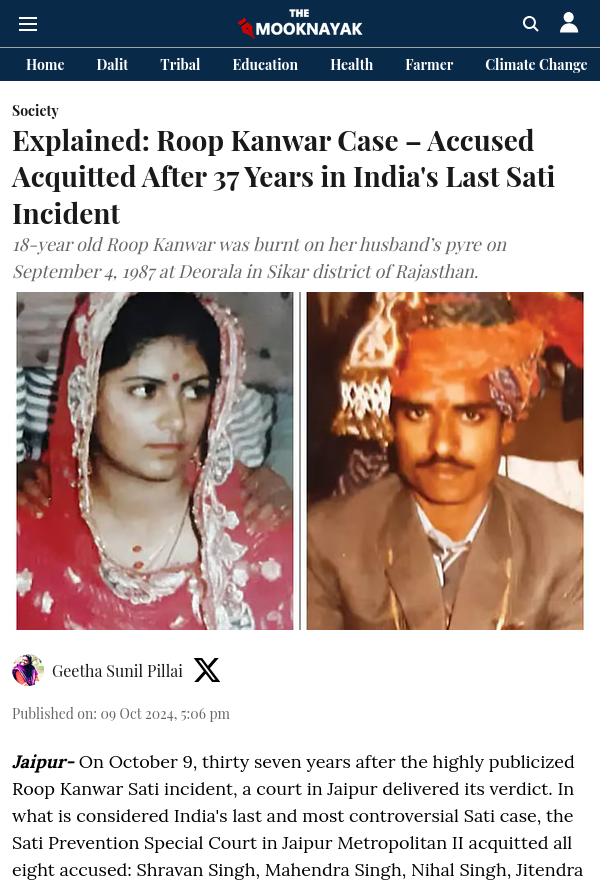
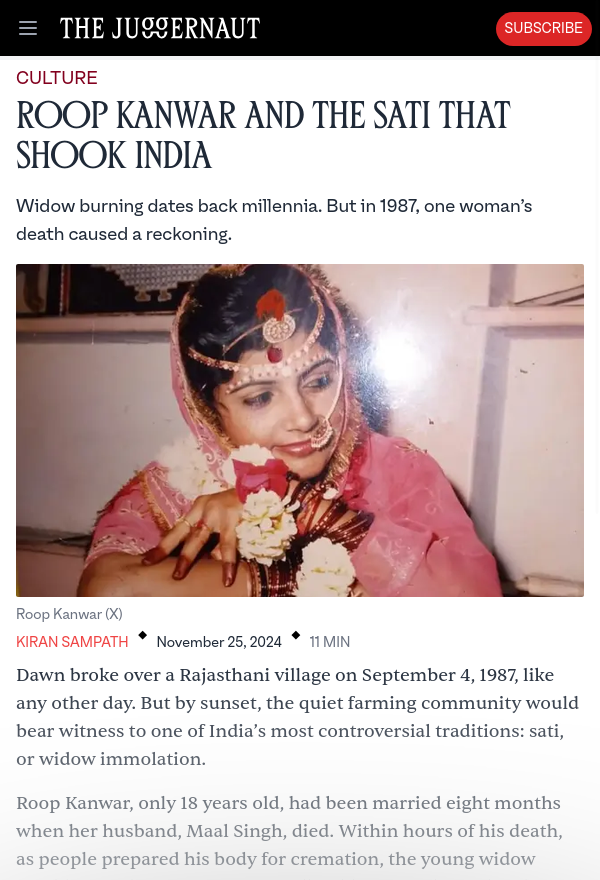
‘Sati’ - Ancient Hindu Practice
Aisha Fealt Jealous of Khadijah (2)
عَنْ عَائِشَةَ، قَالَتْ مَا غِرْتُ عَلَى نِسَاءِ النَّبِيِّ صلى الله عليه وسلم إِلاَّ عَلَى خَدِيجَةَ وَإِنِّي لَمْ أُدْرِكْهَا. قَالَتْ وَكَانَ رَسُولُ اللَّهِ صلى الله عليه وسلم إِذَا ذَبَحَ الشَّاةَ فَيَقُولُ « أَرْسِلُوا بِهَا إِلَى أَصْدِقَاءِ خَدِيجَةَ » قَالَتْ فَأَغْضَبْتُهُ يَوْمًا فَقُلْتُ خَدِيجَةَ فَقَالَ رَسُولُ اللَّهِ صلى الله عليه وسلم « إِنِّي قَدْ رُزِقْتُ حُبَّهَا »
Narrated by Aisha (r.a), “Never did I feel jealous of the wives of the Messenger (s.a.w) but in case of Khadijah, although I did not see her. Whenever he (s.a.w) slaughtered a sheep, he said, ‘Send it to the companions of Khadijah.’ I annoyed him one day and said, ‘(It is) Khadija.’ Thereupon Allah’s Messenger (s.a.w) said, ‘Her love had been nurtured in my heart by Allah Himself.’”
[Sahih Muslim, Kitab Fazail Sahabah (44), 6278]
Is Khadijah Not Mentioned in the Quran?
وَوَجَدَكَ عَائِلًا فَأَغْنَىٰ ۞
“And He found you poor and made [you] self-sufficient.”
[Surah Ad-Dhuha (93), Ayat 8]
Fatima b. Muhammad
فاطمہ بنت محمد
The Greatest Women in Islam
اسلام کیعظیم ترین خواتین
Speech, Manners & Conduct of Fatima
عَنْ عَائِشَةَ أُمِّ الْمُؤْمِنِينَ، قَالَتْ مَا رَأَيْتُ أَحَدًا أَشْبَهَ سَمْتًا وَدَلاًّ وَهَدْيًا بِرَسُولِ اللَّهِ فِي قِيَامِهَا وَقُعُودِهَا مِنْ فَاطِمَةَ بِنْتِ رَسُولِ اللَّهِ ﷺ. قَالَتْ وَكَانَتْ إِذَا دَخَلَتْ عَلَى النَّبِيِّ ﷺ قَامَ إِلَيْهَا فَقَبَّلَهَا وَأَجْلَسَهَا فِي مَجْلِسِهِ وَكَانَ النَّبِيُّ ﷺ إِذَا دَخَلَ عَلَيْهَا قَامَتْ مِنْ مَجْلِسِهَا فَقَبَّلَتْهُ وَأَجْلَسَتْهُ فِي مَجْلِسِهَا ...
Narrated by Aisha (r.a), “I have not seen anyone closer in conduct, way, and manners to that of the Messenger of Allah (s.a.w) in regards to standing and sitting, than Fatima the daughter of the Messenger of Allah (s.a.w).” She (Aisha) said, “Whenever she would enter upon the Prophet (s.a.w) he would stand to her and kiss her, and he would sit her in his sitting place. Whenever the Prophet (s.a.w) entered upon her she would stand from her seat, and kiss him and sit him in her sitting place ...”
[Tirmidhi, Chapters on Virtues (46), 3872] (Sahih)
Fatima is a Part of the Prophet ﷺ
عَنِ الْمِسْوَرِ بْنِ مَخْرَمَةَ ـ رضى الله عنهما ـ أَنَّ رَسُولَ اللَّهِ صلى الله عليه وسلم قَالَ « فَاطِمَةُ بَضْعَةٌ مِنِّي، فَمَنْ أَغْضَبَهَا أَغْضَبَنِي »
It is narrated by Al-Miswar bin Makhrama that the Messenger of Allah (s.a.w) said, “Fatima is a part of me, and whoever makes her angry, makes me angry.”
[Sahih Al-Bukhari, Book on Virtues of the Companions (62), 3767]
When the Open Propagation of Islam Began
أَبَا هُرَيْرَةَ ـ رضى الله عنه ـ قَالَ قَامَ رَسُولُ اللَّهِ صلى الله عليه وسلم حِينَ أَنْزَلَ اللَّهُ عَزَّ وَجَلَّ { وَأَنْذِرْ عَشِيرَتَكَ الأَقْرَبِينَ } قَالَ « يَا مَعْشَرَ قُرَيْشٍ ... وَيَا صَفِيَّةُ عَمَّةَ رَسُولِ اللَّهِ لاَ أُغْنِي عَنْكِ مِنَ اللَّهِ شَيْئًا، وَيَا فَاطِمَةُ بِنْتَ مُحَمَّدٍ سَلِينِي مَا شِئْتِ مِنْ مَالِي لاَ أُغْنِي عَنْكِ مِنَ اللَّهِ شَيْئًا »
Narrated by Abu Hurairah (r.a), “When Allah revealed, ‘Warn your nearest kinsmen,’ The Messenger of Allah (s.a.w) got up and said, ‘O people of Quraish ... O Safiya, the Aunt of the Messenger of Allah! I cannot save you from Allah’s Punishment! O Fatima bint Muhammad! Ask me anything from my wealth, but I cannot save you from Allah’s Punishment.”
[Sahih Al-Bukhari, Kitab Al-Wasaya (55), 2753]
How Fatima Defended in Makkah
عَنْ عَبْدِ اللَّهِ ـ رضى الله عنه ـ قَالَ بَيْنَا النَّبِيُّ صلى الله عليه وسلم سَاجِدٌ وَحَوْلَهُ نَاسٌ مِنْ قُرَيْشٍ جَاءَ عُقْبَةُ بْنُ أَبِي مُعَيْطٍ بِسَلَى جَزُورٍ، فَقَذَفَهُ عَلَى ظَهْرِ النَّبِيِّ صلى الله عليه وسلم، فَلَمْ يَرْفَعْ رَأْسَهُ فَجَاءَتْ فَاطِمَةُ ـ عَلَيْهَا السَّلاَمُ ـ فَأَخَذَتْهُ مِنْ ظَهْرِهِ، وَدَعَتْ عَلَى مَنْ صَنَعَ ...
Narrated by Abdullah bin Masood (r.a), “While the Prophet was prostrating, surrounded by some of Quraish, Uqba bin Abi Mu'ayt brought the intestines of a camel and put them over the back of the Prophet (s.a.w). The Prophet did not raise his head, (till) Fatima (r.a), came and took it off his back and cursed the one who had done the harm ...”
[Sahih Al-Bukhari, Book on Merits of Ansar (63), 3854]
Marriage of Fatima with Ali
عَنْ عَبْدِ اللَّهِ بْنِ بُرَيْدَةَ، عَنْ أَبِيهِ، قَالَ خَطَبَ أَبُو بَكْرٍ وَعُمَرُ رضى الله عنهما فَاطِمَةَ فَقَالَ رَسُولُ اللَّهِ صلى الله عليه وسلم « إِنَّهَا صَغِيرَةٌ » فَخَطَبَهَا عَلِيٌّ فَزَوَّجَهَا مِنْهُ
It was narrated from Abdullah bin Buraidah that his father said, “Abu Bakr and Umar, may Allah be pleased with them, proposed marriage to Fatima but the Messenger of Allah (s.a.w) said, ‘She is young.’ Then Ali (r.a) proposed marriage to her and he married her to him.”
[Sunan Nasai, Kitab Al-Nikkah (26), 3223] (Sahih)
Fatima During the Battle of Uhud
حَدَّثَنَا عَبْدُ الْعَزِيزِ بْنُ أَبِى حَازِمٍ عَنْ أَبِيهِ أَنَّهُ سَمِعَ سَهْلَ بْنَ سَعْدٍ يُسْأَلُ عَنْ جُرْحِ رَسُولِ اللَّهِ -صلى الله عليه وسلم- يَوْمَ أُحُدٍ فَقَالَ جُرِحَ وَجْهُ رَسُولِ اللَّهِ -صلى الله عليه وسلم- وَكُسِرَتْ رَبَاعِيَتُهُ وَهُشِمَتِ الْبَيْضَةُ عَلَى رَأْسِهِ فَكَانَتْ فَاطِمَةُ بِنْتُ رَسُولِ اللَّهِ -صلى الله عليه وسلم- تَغْسِلُ الدَّمَ وَكَانَ عَلِىُّ بْنُ أَبِى طَالِبٍ يَسْكُبُ عَلَيْهَا بِالْمِجَنِّ فَلَمَّا رَأَتْ فَاطِمَةُ أَنَّ الْمَاءَ لاَ يَزِيدُ الدَّمَ إِلاَّ كَثْرَةً أَخَذَتْ قِطْعَةَ حَصِيرٍ فَأَحْرَقَتْهُ حَتَّى صَارَ رَمَادًا ثُمَّ أَلْصَقَتْهُ بِالْجُرْحِ فَاسْتَمْسَكَ الدَّمُ.
[Sahih Muslim, Book on Jihad (32), 4642]
Prophet ﷺ Disliked Jewellery for Fatima
ثَوْبَانَ، مَوْلَى رَسُولِ اللَّهِ صلى الله عليه وسلم حَدَّثَهُ قَالَ ... فَانْتَزَعَتْ فَاطِمَةُ سِلْسِلَةً فِي عُنُقِهَا مِنْ ذَهَبٍ وَقَالَتْ هَذِهِ أَهْدَاهَا إِلَىَّ أَبُو حَسَنٍ فَدَخَلَ رَسُولُ اللَّهِ صلى الله عليه وسلم وَالسِّلْسِلَةُ فِي يَدِهَا فَقَالَ « يَا فَاطِمَةُ أَيَغُرُّكِ أَنْ يَقُولَ النَّاسُ ابْنَةُ رَسُولِ اللَّهِ وَفِي يَدِهَا سِلْسِلَةٌ مِنْ نَارٍ » ثُمَّ خَرَجَ وَلَمْ يَقْعُدْ فَأَرْسَلَتْ فَاطِمَةُ بِالسِّلْسِلَةِ إِلَى السُّوقِ فَبَاعَتْهَا وَاشْتَرَتْ بِثَمَنِهَا غُلاَمًا - وَقَالَ مَرَّةً عَبْدًا - وَذَكَرَ كَلِمَةً مَعْنَاهَا فَأَعْتَقَتْهُ فَحُدِّثَ بِذَلِكَ فَقَالَ « الْحَمْدُ لِلَّهِ الَّذِي أَنْجَى فَاطِمَةَ مِنَ النَّارِ »
[Sunan Nasai, Book of Adornment (48), 5143] (Sahih)
The Special Status of the Ahle Bait
عَنْ عُمَرَ بْنِ أَبِي سَلَمَةَ، رَبِيبِ النَّبِيِّ صَلَّى اللَّهُ عَلَيْهِ وَسَلَّمَ، قَالَ نَزَلَتْ هَذِهِ الآيَةُ عَلَى النَّبِيِّ صَلَّى اللَّهُ عَلَيْهِ وَسَلَّمَ { إِنَّمَا يُرِيدُ اللَّهُ لِيُذْهِبَ عَنْكُمُ الرِّجْسَ أَهْلَ البَيْتِ وَيُطَهِّرَكُمْ تَطْهِيرًا } فِي بَيْتِ أُمِّ سَلَمَةَ، فَدَعَا النَّبِيُّ صَلَّى اللَّهُ عَلَيْهِ وَسَلَّمَ فَاطِمَةَ وَحَسَنًا وَحُسَيْنًا فَجَلَّلَهُمْ بِكِسَاءٍ وَعَلِيٌّ خَلْفَ ظَهْرِهِ فَجَلَّلَهُ بِكِسَاءٍ ثُمَّ قَالَ « اللَّهُمَّ هَؤُلاَءِ أَهْلُ بَيْتِي فَأَذْهِبْ عَنْهُمُ الرِّجْسَ وَطَهِّرْهُمْ تَطْهِيرًا » قَالَتْ أُمُّ سَلَمَةَ وَأَنَا مَعَهُمْ يَا رَسُولَ اللهِ؟ قَالَ « أَنْتِ عَلَى مَكَانِكِ وَأَنْتِ إِلَى خَيْرٍ »
[Tirmidhi, Kitab Al-Manaqib (46), 3787] (Sahih)
The Request of Fatima for a Servant
حَدَّثَنَا عَلِيٌّ، أَنَّ فَاطِمَةَ ـ عَلَيْهَا السَّلاَمُ ـ اشْتَكَتْ مَا تَلْقَى مِنَ الرَّحَى مِمَّا تَطْحَنُ، فَبَلَغَهَا أَنَّ رَسُولَ اللَّهِ صلى الله عليه وسلم أُتِيَ بِسَبْىٍ، فَأَتَتْهُ تَسْأَلُهُ خَادِمًا فَلَمْ تُوَافِقْهُ، فَذَكَرَتْ لِعَائِشَةَ، فَجَاءَ النَّبِيُّ صلى الله عليه وسلم فَذَكَرَتْ ذَلِكَ عَائِشَةُ لَهُ، فَأَتَانَا وَقَدْ دَخَلْنَا مَضَاجِعَنَا، فَذَهَبْنَا لِنَقُومَ فَقَالَ « عَلَى مَكَانِكُمَا » حَتَّى وَجَدْتُ بَرْدَ قَدَمَيْهِ عَلَى صَدْرِي فَقَالَ « أَلاَ أَدُلُّكُمَا عَلَى خَيْرٍ مِمَّا سَأَلْتُمَاهُ، إِذَا أَخَذْتُمَا مَضَاجِعَكُمَا فَكَبِّرَا اللَّهَ أَرْبَعًا وَثَلاَثِينَ، وَاحْمَدَا ثَلاَثًا وَثَلاَثِينَ، وَسَبِّحَا ثَلاَثًا وَثَلاَثِينَ، فَإِنَّ ذَلِكَ خَيْرٌ لَكُمَا مِمَّا سَأَلْتُمَاهُ »
[Sahih Al-Bukhari, Book on Merits of Ansar (63), 3854]
Fatima During the Conquest of Makkah
أُمَّ هَانِئٍ بِنْتَ أَبِي طَالِبٍ حَدَّثَتْهُ أَنَّهُ لَمَّا كَانَ عَامُ الْفَتْحِ أَتَتْ رَسُولَ اللَّهِ صَلَّى اللَّهُ عَلَيْهِ وَسَلَّمَ وَهُوَ بِأَعْلَى مَكَّةَ قَامَ رَسُولُ اللَّهِ إِلَى غُسْلِهِ فَسَتَرَتْ عَلَيْهِ فَاطِمَةُ ثُمَّ أَخَذَ ثَوْبَهُ فَالْتَحَفَ بِهِ ثُمَّ صَلَّى ثَمَانَ رَكَعَاتٍ سُبْحَةَ الضُّحَى.
Umm Hani bint Abi Talib narrated that during the year of the Conquest, she came to the Messenger of Allah (s.a.w) when he was in the upper part of Makkah, and the Messenger of Allah (s.a.w) got up to perform Ghusl, and Fatima screened him. Then he took his garment and wrapped it around himself, then he prayed eight Rakah of Duha prayer.
[Sahih Al-Bukhari, Book on Virtues of the Companions (62), 3715-3716]
The Importance of Justice for Everyone
عَنْ عَائِشَةَ ـ رضى الله عنها أَنَّ امْرَأَةً مِنْ بَنِي مَخْزُومٍ سَرَقَتْ، فَقَالُوا مَنْ يُكَلِّمُ فِيهَا النَّبِيَّ صلى الله عليه وسلم فَلَمْ يَجْتَرِئْ أَحَدٌ أَنْ يُكَلِّمَهُ، فَكَلَّمَهُ أُسَامَةُ بْنُ زَيْدٍ، فَقَالَ « إِنَّ بَنِي إِسْرَائِيلَ كَانَ إِذَا سَرَقَ فِيهِمُ الشَّرِيفُ تَرَكُوهُ، وَإِذَا سَرَقَ الضَّعِيفُ قَطَعُوهُ، لَوْ كَانَتْ فَاطِمَةُ لَقَطَعْتُ يَدَهَا »
Aisha (r.a) said, “A woman of Banu Makhzoom committed a theft and the people said, ‘Who can intercede with the Prophet for her?’ But nobody dared so Usama bin Zayd (r.a) spoke to him. The Prophet (s.a.w) said, ‘If a reputable person from Bani Israel committed a theft, they used to forgive him, but if a poor man committed a theft, they would cut his hand. But I would cut even the hand of Fatima (bint Muhammad) if she committed a theft.’”
[Sahih Al-Bukhari, Book on Virtues of the Companions (62), 3733]
His ﷺ Last Conversion with Fatima (1)
عَنْ عَائِشَةَ، قَالَتْ كُنَّ أَزْوَاجُ النَّبِيِّ صلى الله عليه وسلم عِنْدَهُ لَمْ يُغَادِرْ مِنْهُنَّ وَاحِدَةً فَأَقْبَلَتْ فَاطِمَةُ تَمْشِي مَا تُخْطِئُ مِشْيَتُهَا مِنْ مِشْيَةِ رَسُولِ اللَّهِ صلى الله عليه وسلم شَيْئًا فَلَمَّا رَآهَا رَحَّبَ بِهَا فَقَالَ « مَرْحَبًا بِابْنَتِي » ثُمَّ أَجْلَسَهَا عَنْ يَمِينِهِ أَوْ عَنْ شِمَالِهِ ثُمَّ سَارَّهَا فَبَكَتْ بُكَاءً شَدِيدًا فَلَمَّا رَأَى جَزَعَهَا سَارَّهَا الثَّانِيَةَ فَضَحِكَتْ. فَقُلْتُ لَهَا خَصَّكِ رَسُولُ اللَّهِ صلى الله عليه وسلم مِنْ بَيْنِ نِسَائِهِ بِالسِّرَارِ ثُمَّ أَنْتِ تَبْكِينَ فَلَمَّا قَامَ رَسُولُ اللَّهِ صلى الله عليه وسلم سَأَلْتُهَا مَا قَالَ لَكِ رَسُولُ اللَّهِ صلى الله عليه وسلم قَالَتْ مَا كُنْتُ أُفْشِي عَلَى رَسُولِ اللَّهِ صلى الله عليه وسلم سِرَّهُ ...
[Sahih Muslim, Book on Virtues of the Companions (44), 6313]
His ﷺ Last Conversion with Fatima (2)
... قَالَتْ فَلَمَّا تُوُفِّيَ رَسُولُ اللَّهِ صلى الله عليه وسلم قُلْتُ عَزَمْتُ عَلَيْكِ بِمَا لِي عَلَيْكِ مِنَ الْحَقِّ لَمَا حَدَّثْتِنِي مَا قَالَ لَكِ رَسُولُ اللَّهِ صلى الله عليه وسلم فَقَالَتْ أَمَّا الآنَ فَنَعَمْ أَمَّا حِينَ سَارَّنِي فِي الْمَرَّةِ الأُولَى فَأَخْبَرَنِي « أَنَّ جِبْرِيلَ كَانَ يُعَارِضُهُ الْقُرْآنَ فِي كُلِّ سَنَةٍ مَرَّةً أَوْ مَرَّتَيْنِ وَإِنَّهُ عَارَضَهُ الآنَ مَرَّتَيْنِ وَإِنِّي لاَ أُرَى الأَجَلَ إِلاَّ قَدِ اقْتَرَبَ فَاتَّقِي اللَّهَ وَاصْبِرِي فَإِنَّهُ نِعْمَ السَّلَفُ أَنَا لَكِ » قَالَتْ فَبَكَيْتُ بُكَائِي الَّذِي رَأَيْتِ فَلَمَّا رَأَى جَزَعِي سَارَّنِي الثَّانِيَةَ فَقَالَ « يَا فَاطِمَةُ أَمَا تَرْضَىْ أَنْ تَكُونِي سَيِّدَةَ نِسَاءِ الْمُؤْمِنِينَ أَوْ سَيِّدَةَ نِسَاءِ هَذِهِ الأُمَّةِ » قَالَتْ فَضَحِكْتُ ضَحِكِي الَّذِي رَأَيْتِ
[Sahih Muslim, Book on Virtues of the Companions (44), 6313]
His ﷺ Last Conversion with Fatima (3)
عَنْ عَائِشَةَ ـ رضى الله عنها ـ قَالَتْ دَعَا النَّبِيُّ صلى الله عليه وسلم فَاطِمَةَ ابْنَتَهُ فِي شَكْوَاهُ الَّذِي قُبِضَ فِيهَا، فَسَارَّهَا بِشَىْءٍ فَبَكَتْ، ثُمَّ دَعَاهَا فَسَارَّهَا فَضَحِكَتْ، قَالَتْ فَسَأَلْتُهَا عَنْ ذَلِكَ. فَقَالَتْ سَارَّنِي النَّبِيُّ صلى الله عليه وسلم فَأَخْبَرَنِي أَنَّهُ يُقْبَضُ فِي وَجَعِهِ الَّذِي تُوُفِّيَ فِيهِ فَبَكَيْتُ، ثُمَّ سَارَّنِي فَأَخْبَرَنِي أَنِّي أَوَّلُ أَهْلِ بَيْتِهِ أَتْبَعُهُ فَضَحِكْتُ.
[Sahih Al-Bukhari, Book on Virtues of the Companions (62), 3715-3716]
Mention of the Superiority of Aisha
عَنْ أَبِي مُوسَى الأَشْعَرِيِّ، عَنِ النَّبِيِّ صلى الله عليه وسلم قَالَ « كَمَلَ مِنَ الرِّجَالِ كَثِيرٌ، وَلَمْ يَكْمُلْ مِنَ النِّسَاءِ إِلاَّ مَرْيَمُ بِنْتُ عِمْرَانَ وَآسِيَةُ امْرَأَةُ فِرْعَوْنَ، وَفَضْلُ عَائِشَةَ عَلَى النِّسَاءِ كَفَضْلِ الثَّرِيدِ عَلَى سَائِرِ الطَّعَامِ »
Abu Musa Al-Ashari (r.a) narrated that the Prophet (s.a.w) said, “Many men reached perfection but none among the women reached perfection except Maryam, the daughter of Imran, and Asiya, Pharoah’s wife. And the superiority of Aisha to other women is like the superiority of Tharid to other kinds of food.”
[Sahih Al-Bukhari, Book on Meals (70), 5418]
جزاك الله
A Joint Collaboration