The Divine System of Months in Islam
إِنَّ عِدَّةَ الشُّهُورِ عِندَ اللَّهِ اثْنَا عَشَرَ شَهْرًا فِي كِتَابِ اللَّهِ يَوْمَ خَلَقَ السَّمَاوَاتِ وَالْأَرْضَ مِنْهَا أَرْبَعَةٌ حُرُمٌ ۚ ذَٰلِكَ الدِّينُ الْقَيِّمُ ۚ فَلَا تَظْلِمُوا فِيهِنَّ أَنفُسَكُمْ ۚ ... ۞
“Indeed, the number of months with Allah is twelve [lunar] months in the register of Allah [from] the day He created the heavens and the earth; of these, four are sacred. That is the correct religion, so do not wrong yourselves during them ...”
[Surah Taubah (9), Ayat 36]
Sequence of Months has been Synchronised
عَنْ أَبِي بَكْرَةَ عَنِ النَّبِيِّ قَالَ « الزَّمَانُ قَدِ اسْتَدَارَ كَهَيْئَتِهِ يَوْمَ خَلَقَ السَّمَوَاتِ وَالأَرْضَ، السَّنَةُ اثْنَا عَشَرَ شَهْرًا، مِنْهَا أَرْبَعَةٌ حُرُمٌ، ثَلاَثَةٌ مُتَوَالِيَاتٌ ذُو الْقَعْدَةِ وَذُو الْحِجَّةِ وَالْمُحَرَّمُ، وَرَجَبُ مُضَرَ الَّذِي بَيْنَ جُمَادَى وَشَعْبَانَ »
Narrated by Abu Bakra (r.a) that the Prophet (s.a.w) said, “Time has turned to its original form which was current when Allah created the Heavens and the Earths. Year is of twelve months, out of which four months are sacred. Three in succession Dhul-Qa'da, Dhul-Hijja and Muharram, and Rajab of (the tribe of) Mudar which comes between Jumadi-ath-Thaniyah and Sha'ban.”
[Sahih Bukhari, Book of Beginning of Creation (59), 3197]
The Introduction of the Hijri Calender
The hijri calendar is a development that had a major cultural impact. The first one to introduce this system was Umar. There are several reports which speak of the reason for that.
It was narrated that Maymoon ibn Mahran said, ‘A document that was dated in Sha’ban came to Umar (r.a) ... he gathered the Companions of the Messenger of Allah (s.a.w) and said to them, “Set up something for the people that they can refer to.” Someone suggested ... Then they agreed to look at how long the Messenger of Allah (s.a.w) had stayed in Madeenah, and they found that he had stayed there for ten years, so they based their calendar on the Hijri of the Messenger of Allah (s.a.w).’
[Umar ibn Al-Khattab by Ali Muhammad As-Sallabi, Vol 1, Page 225-226]
Quraish used to Observe the Ashura Fast
عَنْ عَائِشَةَ ـ رضى الله عنها ـ أَنَّ قُرَيْشًا، كَانَتْ تَصُومُ يَوْمَ عَاشُورَاءَ فِي الْجَاهِلِيَّةِ ...
Narrated by Aisha (r.a) that the Quraish used to fast on the day of Ashura in the pre-Islamic period ...
[Sahih Bukhari, Book of Penalty for Hunting (28), 1893]
Jews also used to Observe the Ashura Fast
عَنِ ابْنِ عَبَّاسٍ قَالَ قَدِمَ النَّبِيُّ الْمَدِينَةَ، فَرَأَى الْيَهُودَ تَصُومُ يَوْمَ عَاشُورَاءَ، فَقَالَ « مَا هَذَا » قَالُوا هَذَا يَوْمٌ صَالِحٌ، هَذَا يَوْمٌ نَجَّى اللَّهُ بَنِي إِسْرَائِيلَ مِنْ عَدُوِّهِمْ، فَصَامَهُ مُوسَى. قَالَ « فَأَنَا أَحَقُّ بِمُوسَى مِنْكُمْ » فَصَامَهُ وَأَمَرَ بِصِيَامِهِ
Narrated by Ibn Abbas (r.a) that the Prophet (s.a.w) came to Madina and saw the Jews fasting on the day of Ashura. He asked them about that. They replied, ‘This is a good day, the day on which Allah rescued Bani Israel from their enemy. So, Moses fasted this day.’ The Prophet said, ‘We have more claim over Moses than you.’ So, the Prophet fasted on that day and ordered to fast.
[Sahih Bukhari, Book of Penalty for Hunting (28), 2004]
Fasting on Ashura used to be Obligatory
عَنْ عَائِشَةَ ... أَمَرَ رَسُولُ اللَّهِ صلى الله عليه وسلم بِصِيَامِهِ حَتَّى فُرِضَ رَمَضَانُ وَقَالَ رَسُولُ اللَّهِ صلى الله عليه وسلم « مَنْ شَاءَ فَلْيَصُمْهُ، وَمَنْ شَاءَ أَفْطَرَ »
Narrated by Aisha (r.a) ... the Messenger of Allah (s.a.w) ordered to fast on it till the fasting in the month of Ramadan was prescribed; whereupon the Prophet said, “He who wants to fast (on Ashura) may fast, and he who does not want to fast may not fast.”
[Sahih Bukhari, Book of Penalty for Hunting (28), 1893]
The High Virtue of Nafl Fasting & Salah
عَنْ أَبِى هُرَيْرَةَ - رضى الله عنه - قَالَ قَالَ رَسُولُ اللَّهِ -صلى الله عليه وسلم- « أَفْضَلُ الصِّيَامِ بَعْدَ رَمَضَانَ شَهْرُ اللَّهِ الْمُحَرَّمُ وَأَفْضَلُ الصَّلاَةِ بَعْدَ الْفَرِيضَةِ صَلاَةُ اللَّيْلِ »
Narrated by Abu Hurairah (r.a) that the Messenger of Allah (s.a.w) said, “The best fast after Ramadan is Allah’s month, Muharram, and the best prayer after the obligatory prayers is prayer at night.”
[Sahih Muslim, Kitab As-Siyam (13), 2755]
Fast Additional Day Along with Ashura
عَنْ ابْنِ عَبَّاسٍ رضي الله عنه قَالَ قَالَ رَسُولُ اللَّهِ صَلَّى اللَّهُ عَلَيْهِ وَسَلَّمَ « صُومُوا يَوْمَ عَاشُورَاءَ ، وَخَالِفُوا فِيهِ الْيَهُودَ ، صُومُوا قَبْلَهُ يَوْمًا أَوْ بَعْدَهُ يَوْمًا »
Narrated by Ibn Abbas (r.a) that the Messenger of Allah (s.a.w) said, “Fast the day of Ashura, and be different from the Jews with regard to it; fast the day before it or the day after it.”
[Musnad Ahmad, 2155] (Hasan)
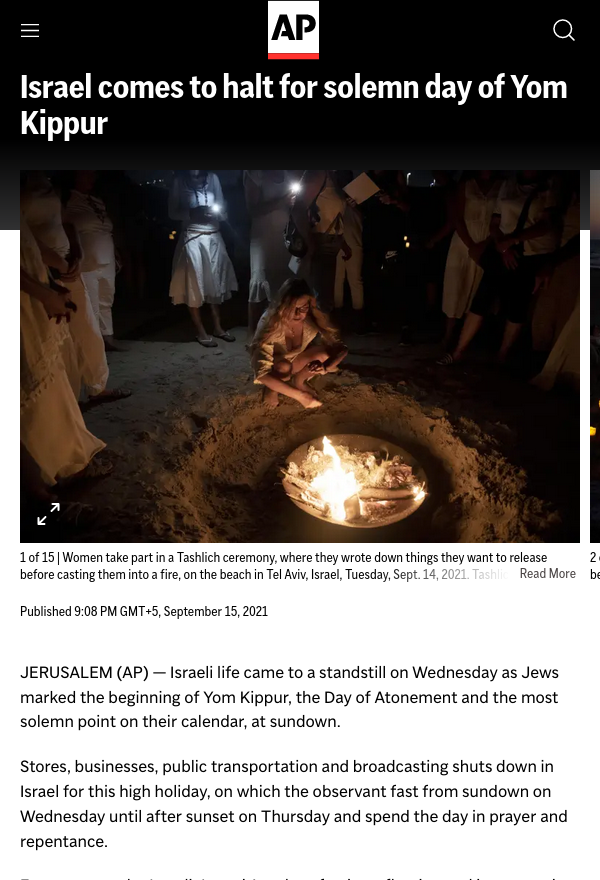
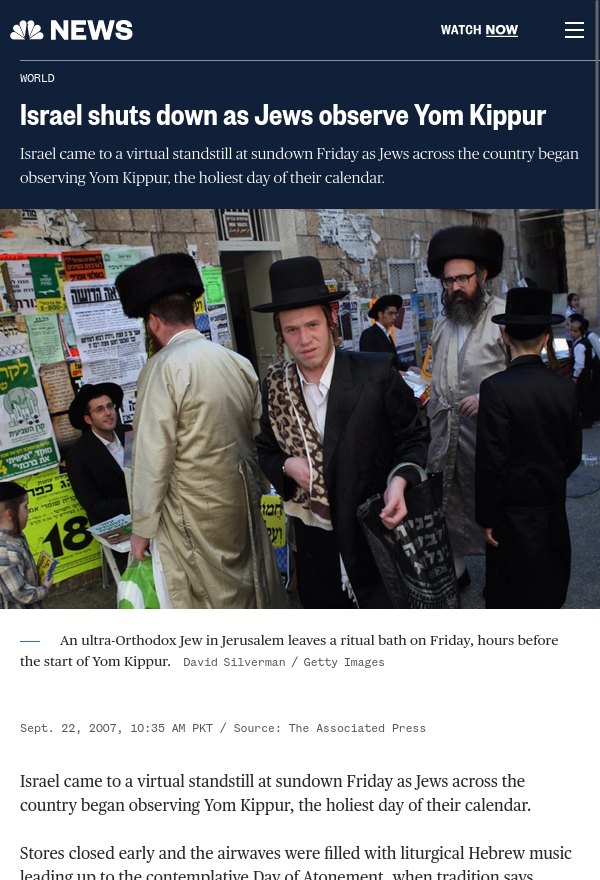
Jews Even Today Fast & Call it ‘Yom Kippur’
“This is to be a lasting ordinance for you: On the tenth day of the seventh month you must deny yourselves and not do any work—whether native-born or an alien living among you. (29) Because on this day atonement will be made for you, to cleanse you. Then, before the LORD, you will be clean from all your sins. (30) It is a sabbath of rest, and you must deny yourselves; it is a lasting ordinance. (31) The priest who is anointed and ordained to succeed his father as high priest is to make atonement. He is to put on the sacred linen garments. (32) And make atonement for the Most Holy Place, for the Tent of Meeting and the altar, and for the priests and all the people of the community. (33) This is to be a lasting ordinance for you: Atonement is to be made once a year for all the sins of the Israelites.” And it was done, as the LORD commanded Moses. (34)”
[Book of Leviticus, Chapter 16, Verse 29-34]
Explanation about the Day of Ashura
عَنِ الحَكَمِ بْنِ الأَعْرَجِ، قَالَ: انْتَهَيْتُ إِلَى ابْنِ عَبَّاسٍ وَهُوَ مُتَوَسِّدٌ رِدَاءَهُ فِي زَمْزَمَ، فَقُلْتُ: أَخْبِرْنِي عَنْ يَوْمِ عَاشُورَاءَ، أَيُّ يَوْمٍ أَصُومُهُ؟ قَالَ: إِذَا رَأَيْتَ هِلاَلَ الْمُحَرَّمِ فَاعْدُدْ، ثُمَّ أَصْبِحْ مِنَ التَّاسِعِ صَائِمًا، قَالَ: فَقُلْتُ: أَهَكَذَا كَانَ يَصُومُهُ مُحَمَّدٌ صَلَّى اللَّهُ عَلَيْهِ وَسَلَّمَ؟ قَالَ: نَعَمْ.
Al-Hakam bin Al-Arfaj said, “I came to Ibn Abbas (r.a) while he was lying with his head on his cloak at the Zamzam. So, I said, ‘Tell me regarding the Day of Ashura. On which day I should fast?’ He said, ‘When you see the moon of Muharram, then start counting, then fast on the morning of the ninth day.’” He said, “I said, ‘Is this how Muhammad (s.a.w) kept fast on it?’ He said, ‘Yes.’”
[Tirmidhi, Kitab As-Siyam, 754] (Sahih)
Fabricated Narrations about Ashura
عن أبى هريرة قال قال رسول الله صلى الله عليه وسلم: " إن الله عز وجل افترض على بنى إسرائيل صوم يوم في السنة يوم عاشوراء وهو اليوم العاشر من المحرم، فصوموه ووسعوا على أهليكم فيه، فإنه من وسع على أهله من ماله يوم عاشوراء وسع عليه سائر سنته، فصوموه فإنه اليوم الذى تاب الله فيه على آدم، وهو اليوم الذى رفع الله فيه إدريس مكانا عليا، وهو اليوم الذى نجى فيه إبراهيم من النار، وهو اليوم الذى أخرج فيه نوحا من السفينة.............
[الموضوعات لابن الجوزي (2/ 200)] & [اللآلي المصنوعة للسيوطي (2/ 93)]
Mention of Noah ؑ along with Musa ؑ
حَدَّثَنَا أَبُو جَعْفَرٍ حَدَّثَنَا عَبْدُ الصَّمَدِ عَنْ أَبِيهِ عَنْ شُبَيْلٍ عَنْ أَبِي هُرَيْرَةَ قَالَ مَرَّ النَّبِيُّ صَلَّى اللَّهُ عَلَيْهِ وَسَلَّمَ بِأُنَاسٍ مِنْ الْيَهُودِ قَدْ صَامُوا يَوْمَ عَاشُورَاءَ فَقَالَ مَا هَذَا مِنْ الصَّوْمِ قَالُوا هَذَا الْيَوْمُ الَّذِي نَجَّى اللَّهُ مُوسَى وَبَنِي إِسْرَائِيلَ مِنْ الْغَرَقِ وَغَرَّقَ فِيهِ فِرْعَوْنَ وَهَذَا يَوْمُ اسْتَوَتْ فِيهِ السَّفِينَةُ عَلَى الْجُودِيِّ فَصَامَهُ نُوحٌ وَمُوسَى شُكْرًا لِلَّهِ تَعَالَى فَقَالَ النَّبِيُّ صَلَّى اللَّهُ عَلَيْهِ وَسَلَّمَ أَنَا أَحَقُّ بِمُوسَى وَأَحَقُّ بِصَوْمِ هَذَا الْيَوْمِ فَأَمَرَ أَصْحَابَهُ بِالصَّوْمِ
[Musnad Ahmad, 8360] (Daif)
Fasting on Ashura Expiates the Sins
عَنْ أَبِى قَتَادَةَ الأَنْصَارِىِّ رضى الله عنه أَنَّ رَسُولَ اللَّهِ -صلى الله عليه وسلم- سُئِلَ عَنْ صَوْمِهِ ... قَالَ وَسُئِلَ عَنْ صَوْمِ يَوْمِ عَاشُورَاءَ فَقَالَ « يُكَفِّرُ السَّنَةَ الْمَاضِيَةَ »
Narrated by Abu Qatadah Al-Ansari (r.a) that the Messenger of Allah (s.a.w) was asked about his fasting ... He was asked about fasting on the day of Ashura and he (s.a.w) said, “It expiates for the past year.”
[Sahih Muslim, Kitab As-Siyam (13), 2747]
Mention of Playing with Dice in Hadith (1)
عَنْ سُلَيْمَانَ بْنِ بُرَيْدَةَ ، عَنْ أَبِيهِ ، أَنَّ النَّبِيَّ صَلَّى اللَّهُ عَلَيْهِ وَسَلَّمَ قَالَ « مَنْ لَعِبَ بِالنَّرْدَشِيرِ ، فَكَأَنَّمَا صَبَغَ يَدَهُ فِي لَحْمِ خِنْزِيرٍ وَدَمِهِ »
Narrated by Sulaiman bin Buraidah that his father narrated that the Prophet (s.a.w) said, “Whoever plays dice, it is as if he were dipping his hand in the flesh and blood of a pig.”
[Sahih Muslim, Kitab As-Shair (41), 5896]
Mention of Playing with Dice in Hadith (2)
عَنْ أَبِي مُوسَى، قَالَ قَالَ رَسُولُ اللَّهِ ـ صلى الله عليه وسلم ـ « مَنْ لَعِبَ بِالنَّرْدِ فَقَدْ عَصَى اللَّهَ وَرَسُولَ »
Narrated by Abu Musa that the Messenger of Allah (s.a.w) said, “Whoever plays backgammon has disobeyed Allah and His Messenger.”
[Ibn Majah, Kitab Al-Adab (33), 3762] (Hasan)
Casting Lots for the First Row in Prayer
عَنْ أَبِي هُرَيْرَةَ أَنَّ رَسُولَ اللَّهِ قَالَ « لَوْ يَعْلَمُ النَّاسُ مَا فِي النِّدَاءِ وَالصَّفِّ الأَوَّلِ، ثُمَّ لَمْ يَجِدُوا إِلاَّ أَنْ يَسْتَهِمُوا عَلَيْهِ لاَسْتَهَمُوا، وَلَوْ يَعْلَمُونَ مَا فِي التَّهْجِيرِ لاَسْتَبَقُوا إِلَيْهِ، وَلَوْ يَعْلَمُونَ مَا فِي الْعَتَمَةِ وَالصُّبْحِ لأَتَوْهُمَا وَلَوْ حَبْوًا »
It was narrated by Abu Hurairah (r.a) that the Messenger of Allah (s.a.w) said, “If the people knew the reward of making the Adhan and the first row, and they found no other way to get this privilege except by casting lots, they would certainly cast lots for it. If they knew the reward of Zuhr, they would race for it, and if they knew the reward of the Fajr and Isha prayers, they would present themselves for the prayer even if they had to crawl to reach there.”
[Sahih Bukhari, Kitab As-Shahadaat (52), 2689]
Wasiya (Will) Cannot be More than 1/3
عَنْ سَعْدٍ، أَنَّ النَّبِيَّ صلى الله عليه وسلم عَادَهُ فِي مَرَضِهِ فَقَالَ يَا رَسُولَ اللَّهِ أُوصِي بِمَالِي كُلِّهِ قَالَ « لاَ » قَالَ فَالشَّطْرَ قَالَ « لاَ » قَالَ فَالثُّلُثَ قَالَ « الثُّلُثَ وَالثُّلُثُ كَثِيرٌ أَوْ كَبِيرٌ »
Narrated by Saad (r.a) that the Prophet (s.a.w) visited him when he was sick and he (r.a) said, “O Messenger of Allah, shall I bequeath all of my wealth?” He said, “No.” He said, “Half?” He said, “No.” He said, “One-third?” He said, “One-third, and one-third is much or large.”
[Sunan Nasai, Kitab Al-Wasaya, 3632] (Sahih)
Wasiya (Will) Cannot be In Favour of Heir
عَنْ أَبِي أُمَامَةَ الْبَاهِلِيِّ، قَالَ سَمِعْتُ رَسُولَ اللَّهِ صلى الله عليه وسلم فِي خُطْبَتِهِ عَامَ حَجَّةِ الْوَدَاعِ « إِنَّ اللَّهَ قَدْ أَعْطَى كُلَّ ذِي حَقٍّ حَقَّهُ فَلاَ وَصِيَّةَ لِوَارِثٍ ... »
Narrated by Abu Umamah al-Bahili (r.a) that he heard the Messenger of Allah (s.a.w) saying in the farewell sermon, “Indeed Allah, Most Blessed and Most High, has given the right due to everyone deserving a right. So there is no will for an heir ...”
[Tirmidi, Kitab Al-Wasaya (28), 2120] (Hasan)
Mention of Lots (Same as Dice) in Hadith (2)
عَنْ عِمْرَانَ بْنِ حُصَيْنٍ. أَنَّ رَجُلاً أَعْتَقَ سِتَّةَ مَمْلُوكِينَ لَهُ عِنْدَ مَوْتِهِ لَمْ يَكُنْ لَهُ مَالٌ غَيْرُهُمْ فَدَعَا بِهِمْ رَسُولُ اللَّهِ -صلى الله عليه وسلم- فَجَزَّأَهُمْ أَثْلاَثًا ثُمَّ أَقْرَعَ بَيْنَهُمْ فَأَعْتَقَ اثْنَيْنِ وَأَرَقَّ أَرْبَعَةً وَقَالَ لَهُ قَوْلاً شَدِيدًا.
It was narrated from Imran bin Hussain that a man declared that six slaves of his would be set free when he died, but he did not have any other wealth apart from them. The Messenger of Allah (s.a.w) called for them and divided them into three groups, then he cast lots among them, freeing two and leaving four as slaves, and he spoke harsh words to him.
[Sahih Muslim, Kitab Al-Wasiya (25), 4335]
Mention of Lots (Same as Dice) in Hadith (3)
... عَائِشَةَ زَوْجَ النَّبِىِّ -صلى الله عليه وسلم- قَالَتْ « كَانَ رَسُولُ اللَّهِ -صلى الله عليه وسلم- إِذَا أَرَادَ أَنْ يَخْرُجَ سَفَرًا أَقْرَعَ بَيْنَ نِسَائِهِ فَأَيَّتُهُنَّ خَرَجَ سَهْمُهَا خَرَجَ بِهَا رَسُولُ اللَّهِ -صلى الله عليه وسلم- مَعَهُ » ...
... Aisha (r.a), the wife of the Prophet (s.a.w) said, “When the Messenger of Allah (s.a.w) wanted to go out on a journey, he would cast lots between his wives and the one whose name was drawn, the Messenger of Allah (s.a.w) would take her with him.” ...
[Sahih Muslim, Kitab Al-Qadr (46), 7020]
Mention of Fidya in the Quran
أَيَّامًا مَّعْدُودَاتٍ ۚ فَمَن كَانَ مِنكُم مَّرِيضًا أَوْ عَلَىٰ سَفَرٍ فَعِدَّةٌ مِّنْ أَيَّامٍ أُخَرَ ۚ وَعَلَى الَّذِينَ يُطِيقُونَهُ فِدْيَةٌ طَعَامُ مِسْكِينٍ ۖ فَمَن تَطَوَّعَ خَيْرًا فَهُوَ خَيْرٌ لَّهُ ۚ وَأَن تَصُومُوا خَيْرٌ لَّكُمْ ۖ إِن كُنتُمْ تَعْلَمُونَ ۞
“(Fast) a certain number of days; and (for) him who is sick among you, or on a journey, (the same) number of other days; and for those who can afford it there is a ransom: the feeding of a man in need - but whoso doeth good of his own accord, it is better for him: and that ye fast is better for you if ye did but know”
[Surah Al-Baqarah (2), Ayat 184]
عَنِ ابْنِ عَبَّاسٍ، قَالَ فَرَضَ رَسُولُ اللَّهِ صلى الله عليه وسلم زَكَاةَ الْفِطْرِ طُهْرَةً لِلصَّائِمِ مِنَ اللَّغْوِ وَالرَّفَثِ وَطُعْمَةً لِلْمَسَاكِينِ مَنْ أَدَّاهَا قَبْلَ الصَّلاَةِ فَهِيَ زَكَاةٌ مَقْبُولَةٌ وَمَنْ أَدَّاهَا بَعْدَ الصَّلاَةِ فَهِيَ صَدَقَةٌ مِنَ الصَّدَقَاتِ
Abdullah ibn Abbas (r.a) narrated that the Messenger of Allah (s.a.w) prescribed the sadaqah (fitrana) relating to the breaking of the fast as a purification of the fasting from empty and obscene talk and as food for the poor. If anyone pays it before the (Eid) prayer, it will be accepted as Zakat (Fitrana). If anyone pays it after the prayer, that will be a Sadaqah like other charities.
[Sunan Abi Dawood, Kitab Az-Zakat (9), Hadith 1609] (Hasan)

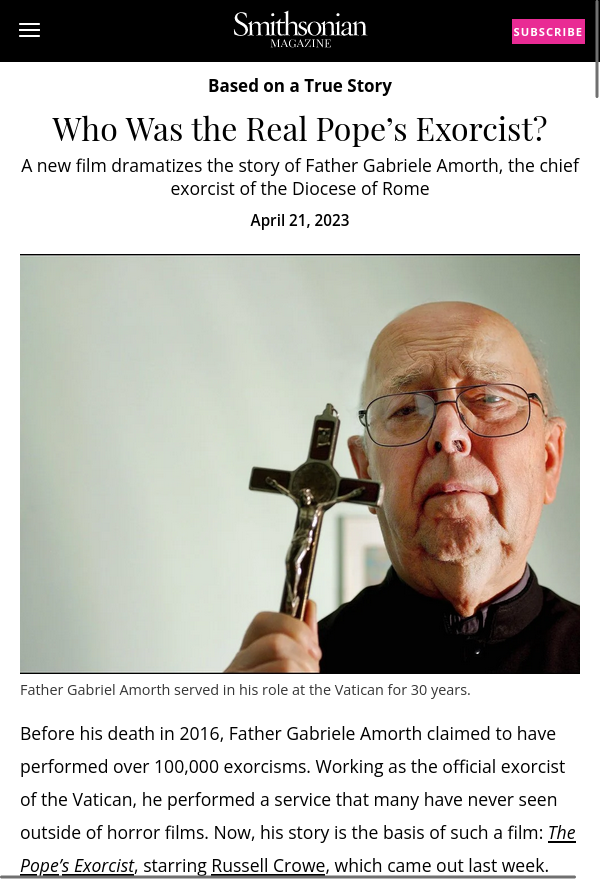
“The power to absolve lies with the priest, who can grant release from the guilt of sin to sinners ... In the New Testament the grace of forgiveness is seen as originating in Jesus Christ and being subsequently extended to sinners by members of the Christian priesthood. In the early Christian church, the priest publicly absolved ... During the Middle Ages, however, private (auricular) confession became the usual procedure ...”
[Britannica.com - Absolution in Christianity]
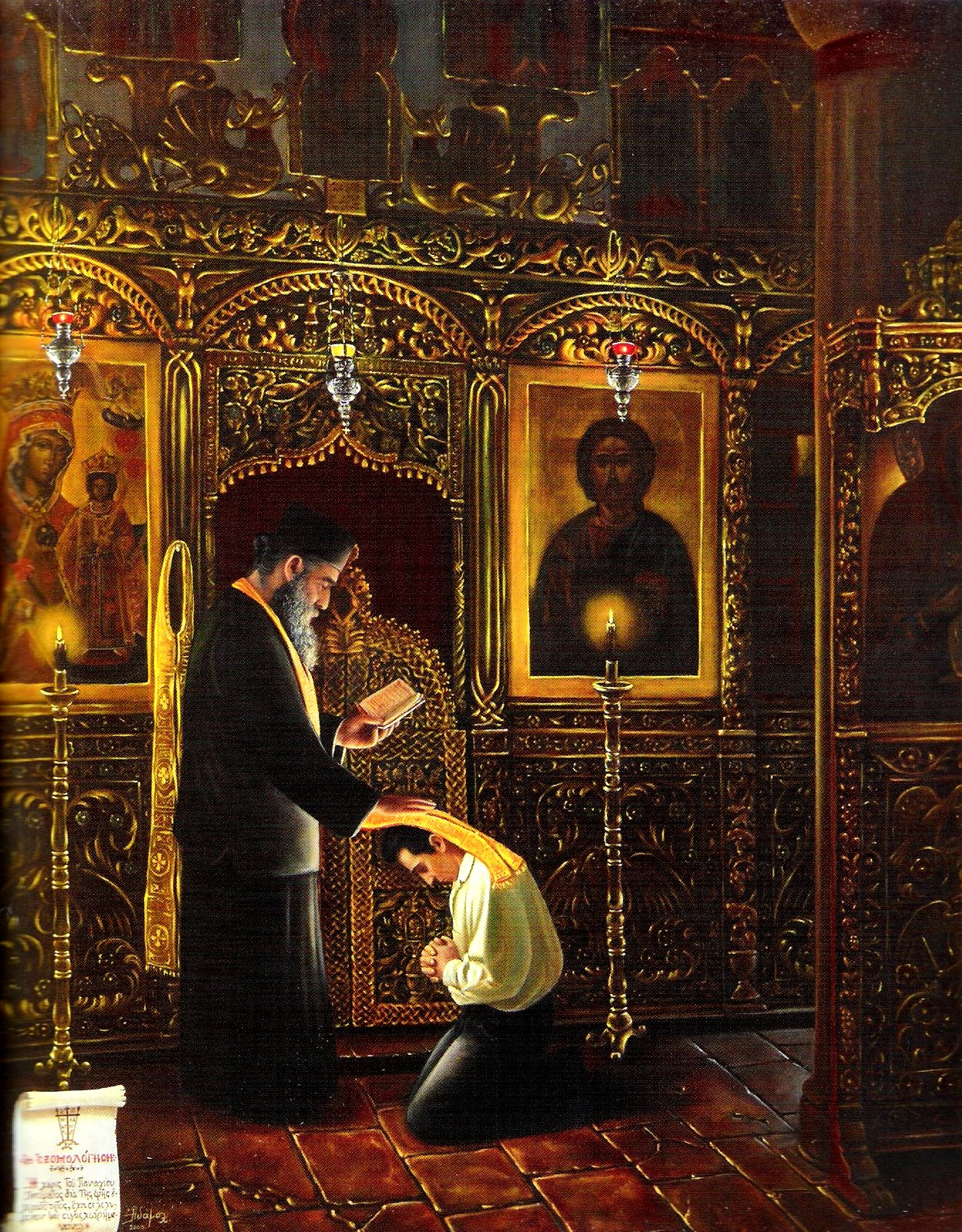
The Fictional Character of ‘Friar de Ojeda’
No historical record exists contrary to the claim
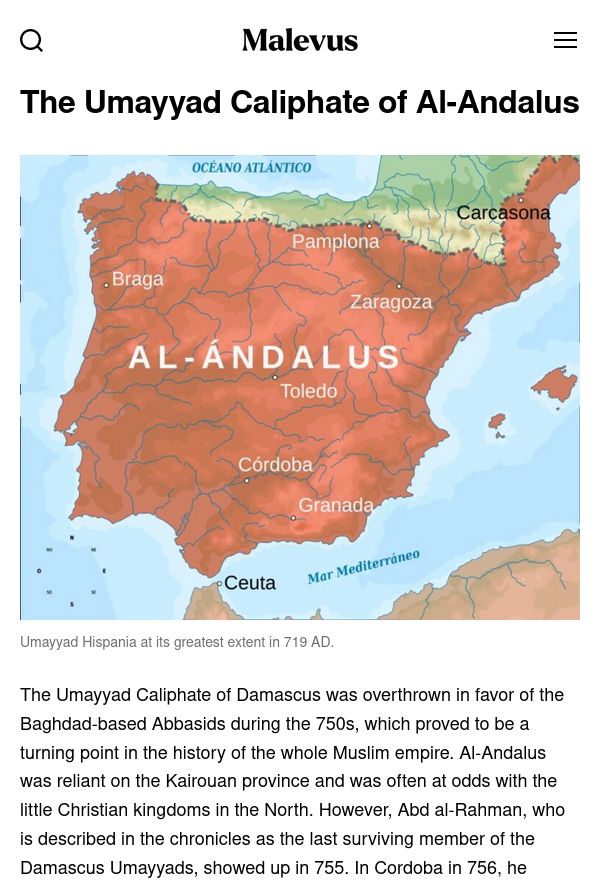

Iblis in Reality was a Jinn, NOT an Angel
وَإِذْ قُلْنَا لِلْمَلَائِكَةِ اسْجُدُوا لِآدَمَ فَسَجَدُوا إِلَّا إِبْلِيسَ كَانَ مِنَ الْجِنِّ فَفَسَقَ عَنْ أَمْرِ رَبِّهِ ۗ أَفَتَتَّخِذُونَهُ وَذُرِّيَّتَهُ أَوْلِيَاءَ مِن دُونِي وَهُمْ لَكُمْ عَدُوٌّ ۚ بِئْسَ لِلظَّالِمِينَ بَدَلًا ۞
“And when We said to the angels, ‘Prostrate to Adam,’ and they prostrated, except for Iblis. He was of the jinn and departed from the command of his Lord. Then will you take him and his descendants as allies other than Me while they are enemies to you? Wretched it is for the wrongdoers as an exchange.”
[Surah Al-Kahf (18), Ayat 50]
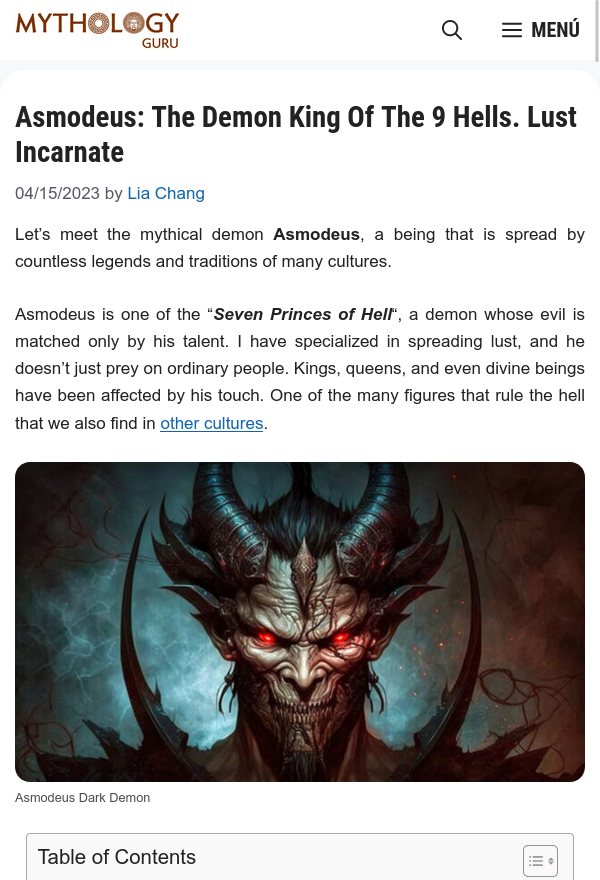
False Tales & Fabrications Related to Prophet Suleiman ؑ
“As Solomon grew old, his wives turned his heart after other gods, and his heart was not fully devoted to the LORD his God, as the heart of David his father had been. He followed Ashtoreth the goddess of the Sidonians, and Molechm the detestable god of the Ammonites. So Solomon did evil in the eyes of the Lord; he did not follow the Lord completely, as David his father had done.”
[The Old Testament, Book of Kings, 11:4-6]
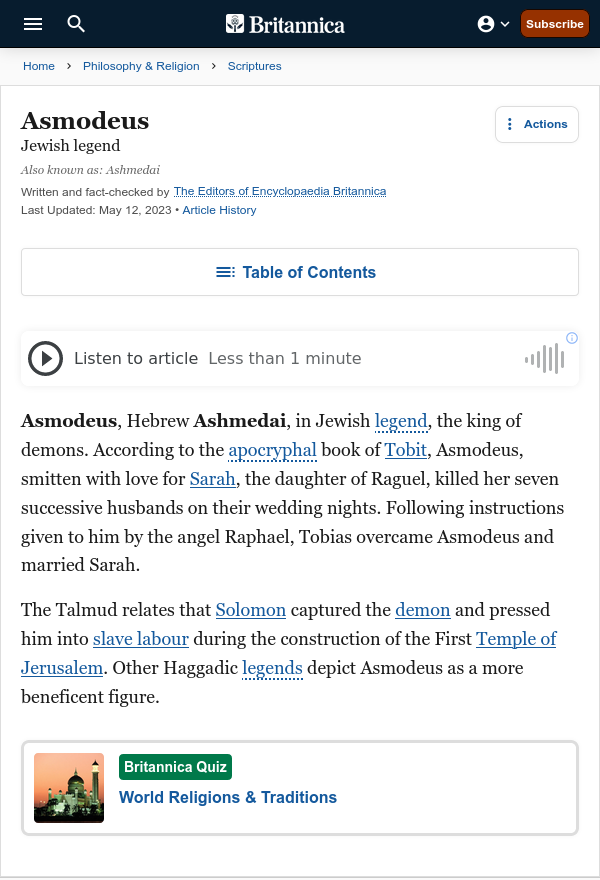
Allah Certified He ؑ Never Disbelieved
وَاتَّبَعُوا مَا تَتْلُو الشَّيَاطِينُ عَلَىٰ مُلْكِ سُلَيْمَانَ ۖ وَمَا كَفَرَ سُلَيْمَانُ وَلَٰكِنَّ الشَّيَاطِينَ كَفَرُوا يُعَلِّمُونَ النَّاسَ السِّحْرَ وَمَا أُنزِلَ عَلَى الْمَلَكَيْنِ بِبَابِلَ هَارُوتَ وَمَارُوتَ ۚ وَمَا يُعَلِّمَانِ مِنْ أَحَدٍ حَتَّىٰ يَقُولَا إِنَّمَا نَحْنُ فِتْنَةٌ فَلَا تَكْفُرْ ۖ فَيَتَعَلَّمُونَ مِنْهُمَا مَا يُفَرِّقُونَ بِهِ بَيْنَ الْمَرْءِ وَزَوْجِهِ ۚ وَمَا هُم بِضَارِّينَ بِهِ مِنْ أَحَدٍ إِلَّا بِإِذْنِ اللَّهِ ۚ وَيَتَعَلَّمُونَ مَا يَضُرُّهُمْ وَلَا يَنفَعُهُمْ ۚ وَلَقَدْ عَلِمُوا لَمَنِ اشْتَرَاهُ مَا لَهُ فِي الْآخِرَةِ مِنْ خَلَاقٍ ۚ وَلَبِئْسَ مَا شَرَوْا بِهِ أَنفُسَهُمْ ۚ لَوْ كَانُوا يَعْلَمُونَ ۞
[Surah Al-Baqarah (2), Ayat 102]
Suleiman ؑ & The Powerful Jinn
قَالَ يَا أَيُّهَا الْمَلَأُ أَيُّكُمْ يَأْتِينِي بِعَرْشِهَا قَبْلَ أَن يَأْتُونِي مُسْلِمِينَ ۞ قَالَ عِفْرِيتٌ مِّنَ الْجِنِّ أَنَا آتِيكَ بِهِ قَبْلَ أَن تَقُومَ مِن مَّقَامِكَ ۖ وَإِنِّي عَلَيْهِ لَقَوِيٌّ أَمِينٌ ۞
“[Solomon] said, ‘O assembly, which of you will bring me her throne before they come to me in submission?’ A powerful one from among the jinn said, ‘I will bring it to you before you rise from your place, and indeed, I am for this [task] strong and trustworthy.’”
[Surah Al-Naml (27), Ayat 38-39]
Reflection from Allama Iqbal’s Words
کبھی اے نوجواں مسلم! تدبر بھی کيا تو نے
وہ کيا گردوں تھا تو جس کا ہے اک ٹوٹا ہوا تارا
[علامہ اقبال، بانگ درا]

Email: MAhmadZ@pm.me
YouTube: @MAhmadZ
Twitter: @MAhmadZ
Telegram: @MAhmadZ
Soundcloud: @MAhmadZ
LinkedIn: @MAhmadZ